At Purdue, she dreamed of a healthier planet — now she’s creating it
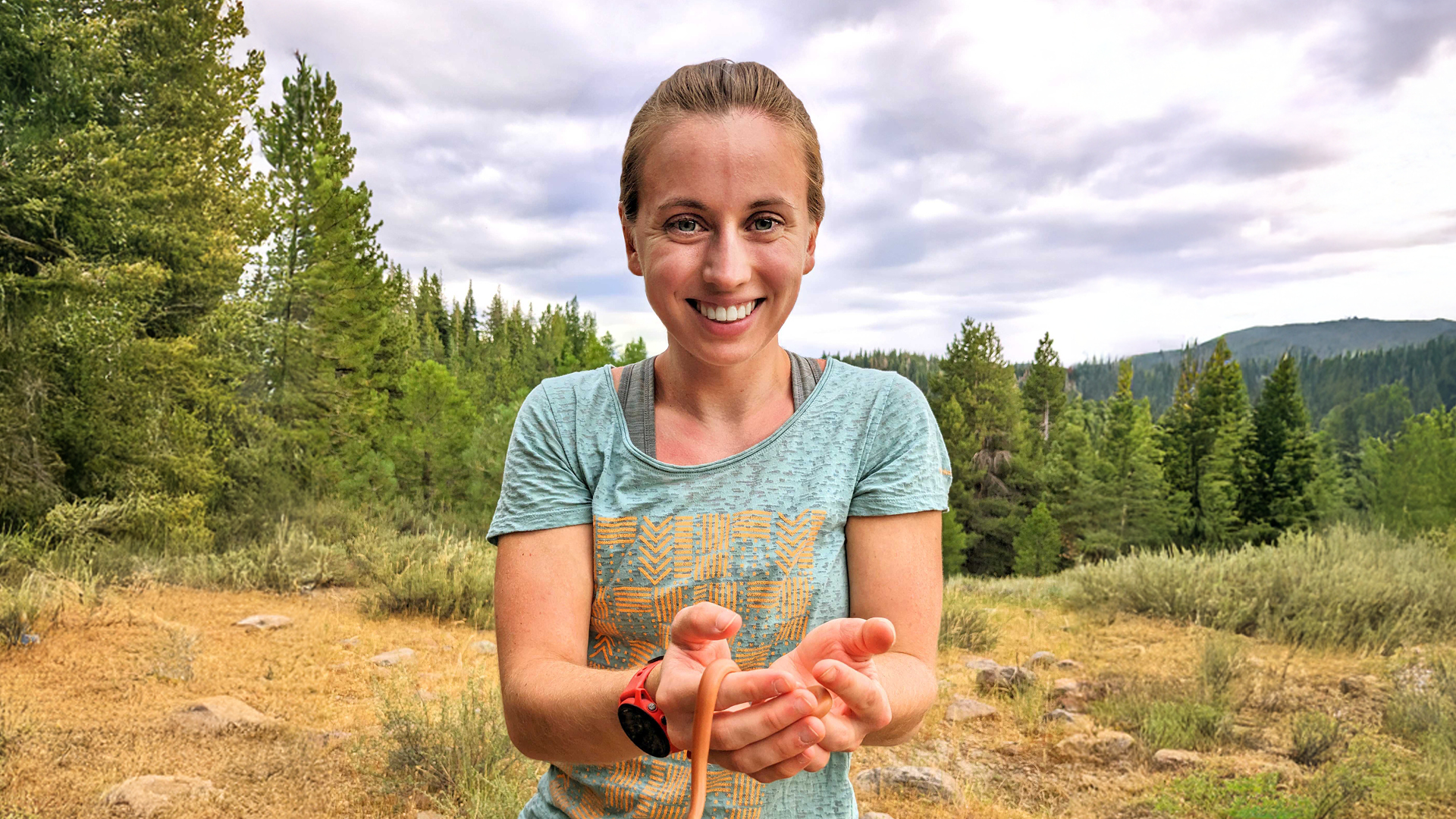
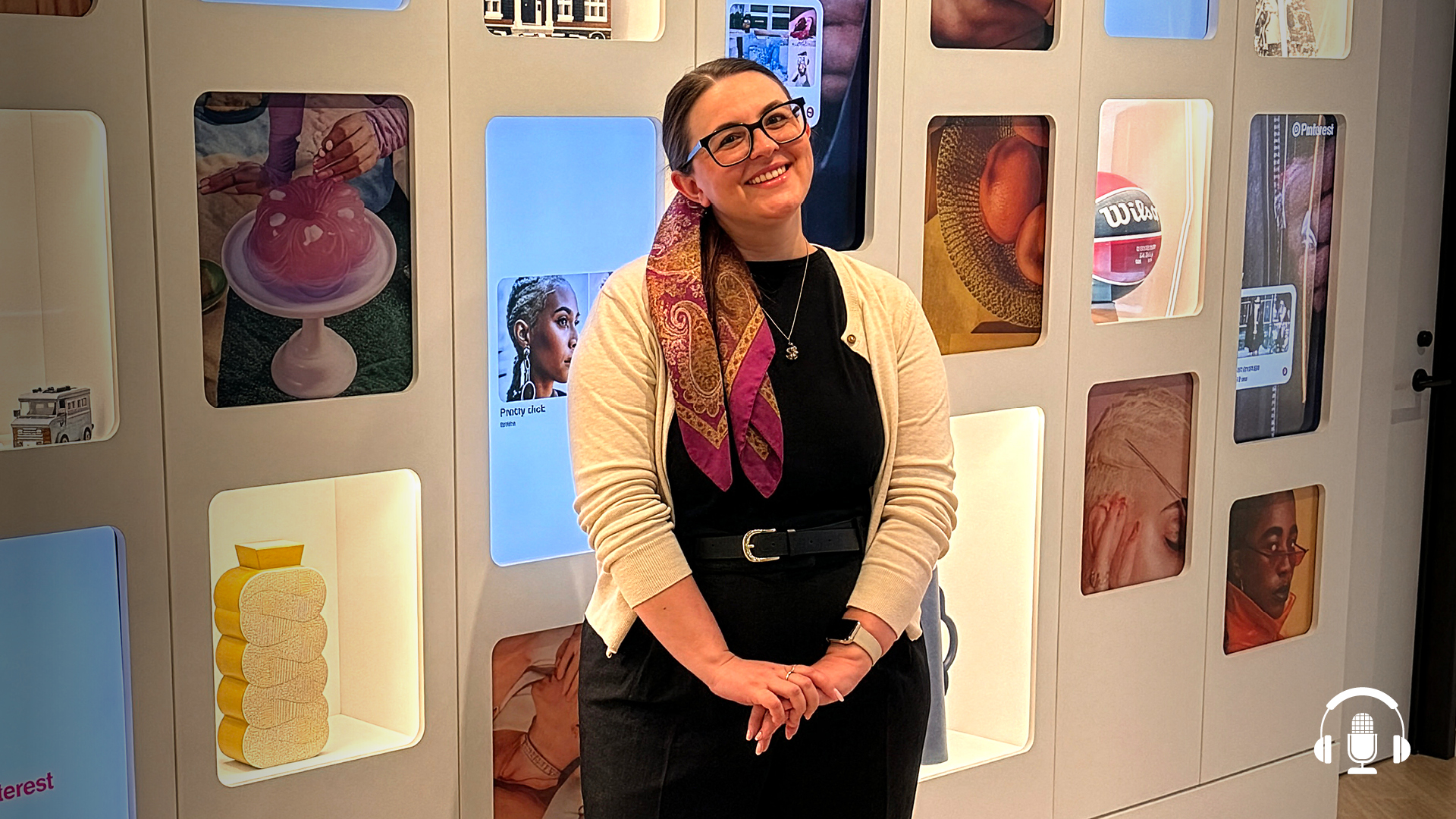
Ever since she was a kid, Megan Casey has loved to get outdoors. Now, it’s a part of her job.
Megan Casey develops hydrologic models to help restore ecosystems
When Boilermakers begin to dream of what’s next — for themselves, for their communities, for the world — they build a brighter tomorrow together. Read the real stories that inspired our video and find out what happens when you dream bigger at Purdue.
Before Megan Casey was studying post-wildfire flooding, she was a teenager at camp, learning how ecosystems work and imagining how they could be protected.
“I realized I wanted to go into agricultural engineering when I was around 16 years old,” she says. “That was really my first experience that this could be something that I could do.”
That curiosity led to a career tackling one of today’s toughest challenges: understanding how landscapes change after disruption.
Heading into the unknown
After earning her bachelor’s in agricultural engineering from Purdue in 2021, Casey moved across the country to Sacramento, California, where she joined cbec eco-engineering as an ecohydrology technician. It was her first time in the West, stepping directly into the kind of work she had once only imagined.
The transition wasn’t easy. COVID-19 reshaped the experience she expected, turning an in-person role into a hybrid of remote work and frequent field visits. Everything felt new, but she made the decision to just dive in.
“You can’t be shy,” she says. “Start saying yes to things.”
That mindset carried her through long days and into meaningful work with colleagues. She worked extensively on habitat restoration projects, seeing firsthand how ecosystems respond to human impact and environmental stress.
Over time, her role evolved. As her technical skills grew, she shifted from fieldwork to more project-based and analytical work, gaining a broader perspective on how to design and implement engineering solutions.
Working in California during major wildfires, she saw how deeply these events affect communities. She kept returning to one question: What happens after the flames are extinguished?
Pioneering solutions
That question led her back to school. Now a master’s student at Utah State University, Casey studies how watershed hydrology changes after wildfires — specifically, why flooding becomes more intense and unpredictable.
After a wildfire, even a small rainstorm can cause major flooding. There isn’t as much vegetation absorbing the rainwater, which doesn’t soak into the soil as well. Instead, burned soil can behave more like pavement, sending water rushing downhill and increasing the risk of dangerous floods.
Casey’s work focuses on untangling the many variables that contribute to this phenomenon. She uses that data to help inform better decision-making.
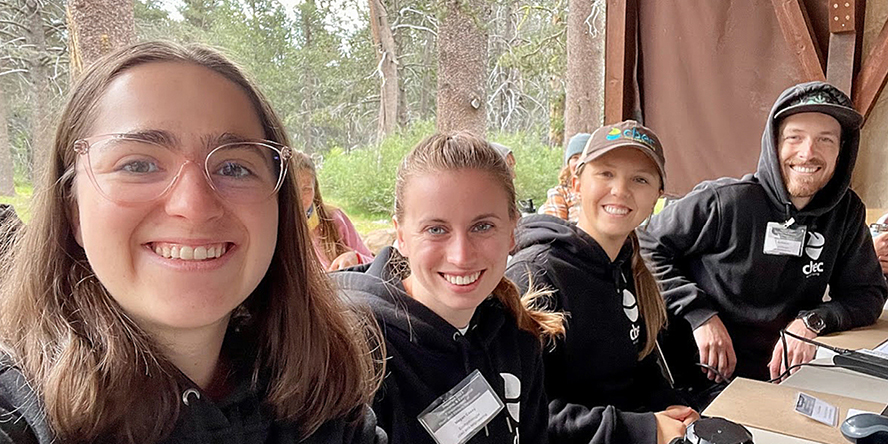
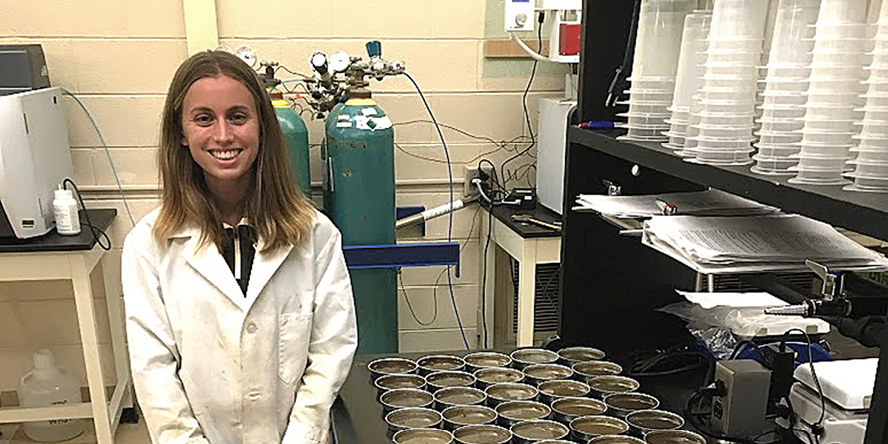
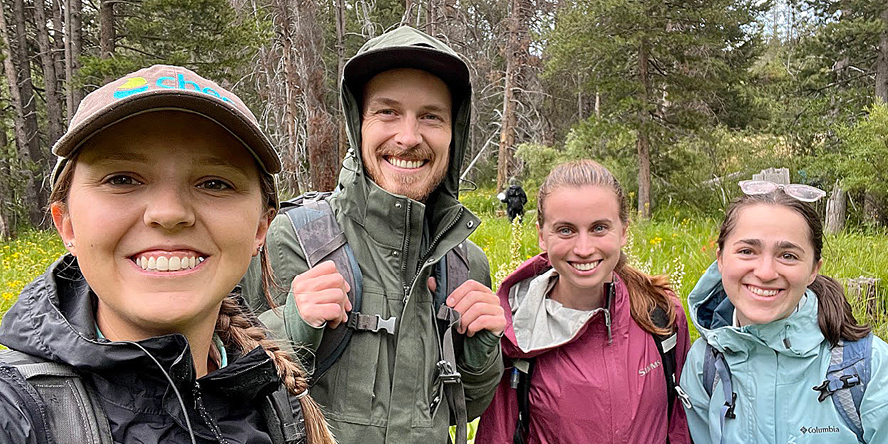
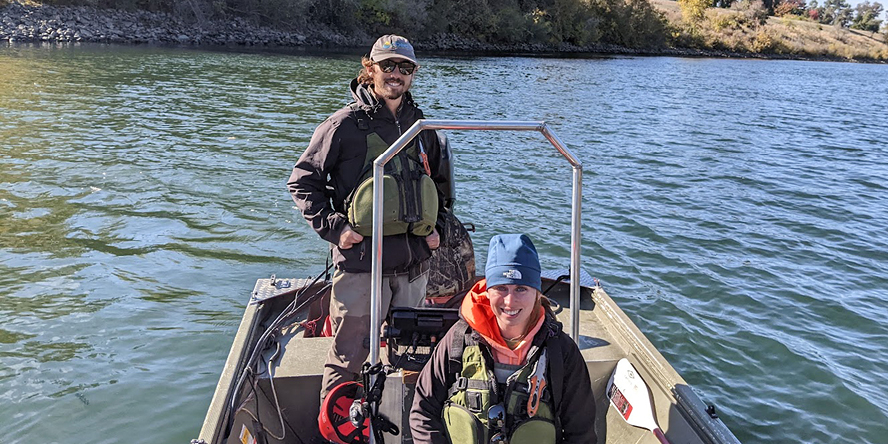
Her research brings teams of people together, including engineers, ecologists and water managers. The goal is not just understanding, but action.
“The Earth is interconnected,” she says. “Humans are just as much a part of the world as any other species. We rely on natural resources. We play a role in ecosystems, but I do think it is our responsibility as the only species that can influence the world on such a large scale to be good stewards of the environment.”
Focusing on what matters
“I was really interested in how we could preserve both our natural resources and also account for the needs of our human population,” Casey says.
Initially, she considered environmental engineering but ended up in agricultural engineering because of its focus on resources. That consideration traces back to her years in Girl Scouts, where she spent time at an outdoor camp and later returned as a counselor.
In her hometown of Mason, Ohio, there’s a small park that she remembers well. It’s a quiet green space surrounded by development. As she grew up, it represented the importance of protecting these places.
Those experiences shaped how she sees the world: interdependent and full of possibility.
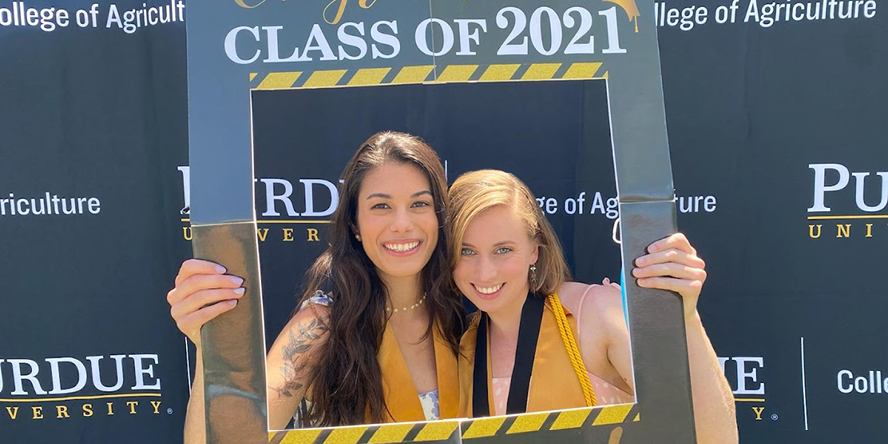
At Purdue, she found the No. 3 agriculture program in the U.S., according to the 2025 QS World University Rankings. She also found a close-knit community within agricultural and biological engineering. With a small graduating class, relationships came naturally.
She got involved as an undergraduate researcher and started to identify the problems she wanted to solve.
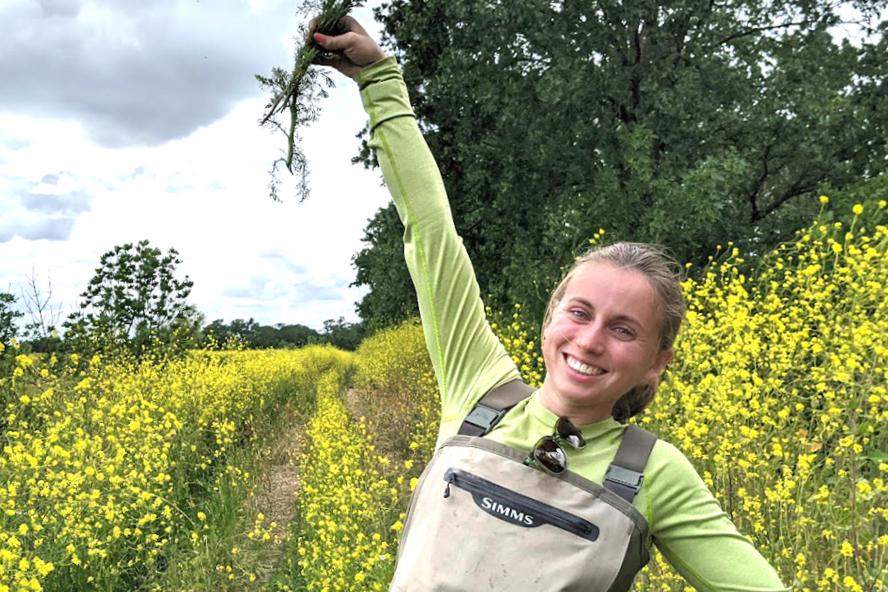
We play a role in ecosystems, but I do think it is our responsibility as the only species that can influence the world on such a large scale to be good stewards of the environment.
Megan Casey
Agricultural engineering ’21
Collaborating on solutions
For Casey, the work she does today is grounded in both realism and hope. She understands the scale of environmental degradation. But she also sees something else: the people working to solve it.
“My work has given me a lot of hope in how I view the world,” she says. “There are so many intelligent, caring people who really believe in the power of small actions having a big impact.”
That belief echoes the mindset she’s carried since those early days of curiosity. Helping save the world doesn’t happen all at once.
It starts with a place. A question. An idea.
And then, step by step, it becomes something more.