Episode 149: So You Want to Be a Content Creator? Why a College Degree Is Still Important
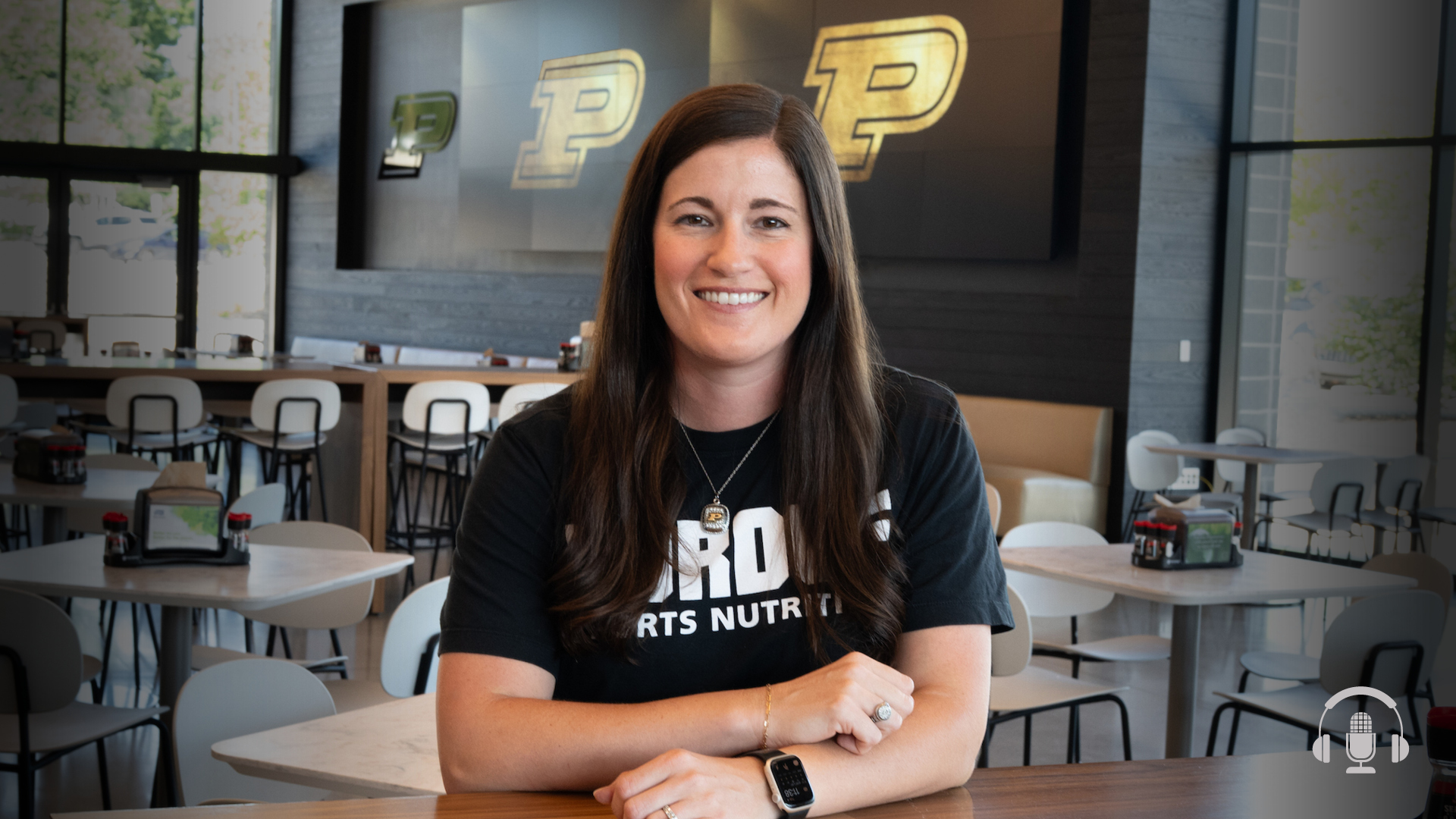
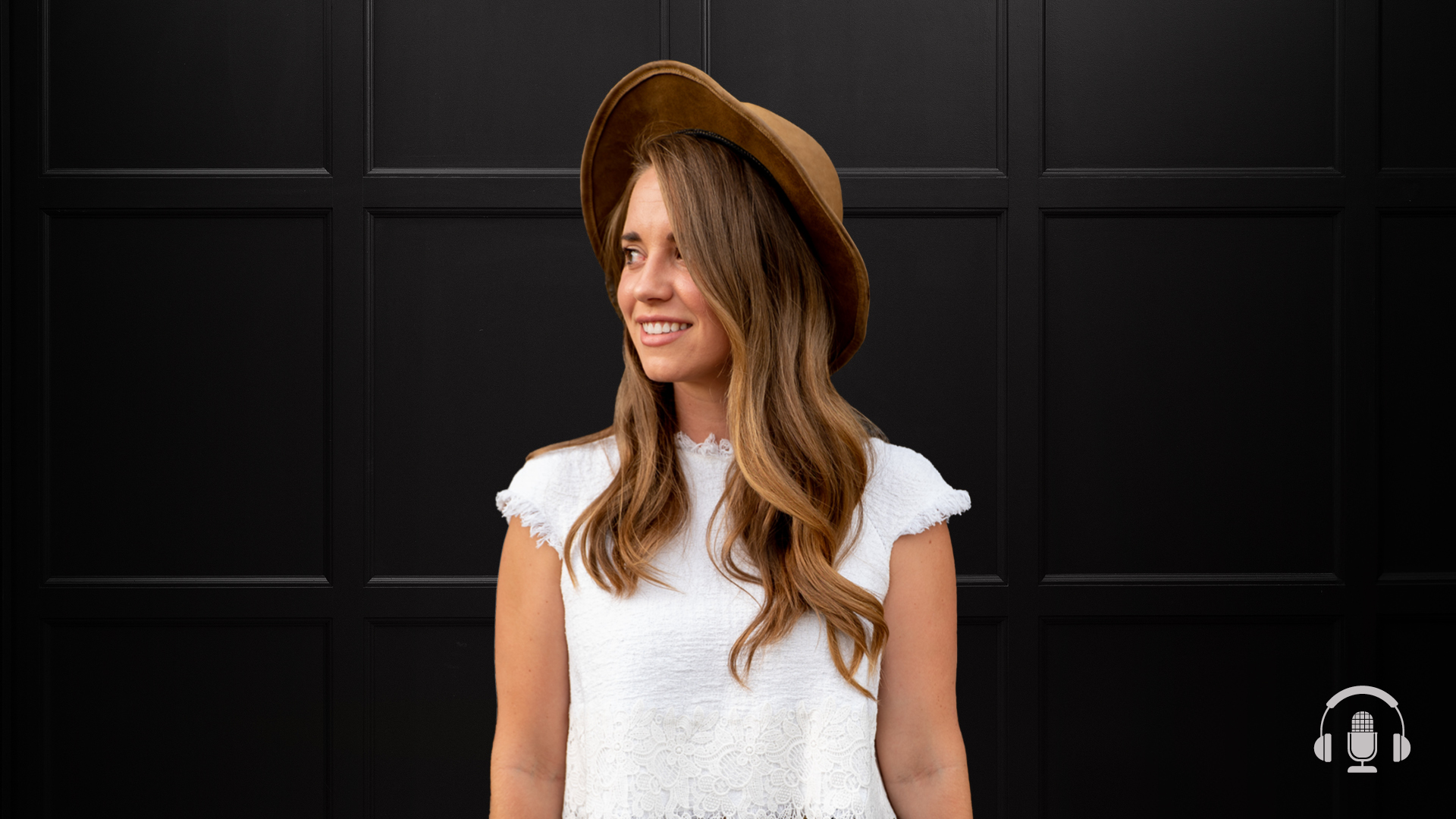
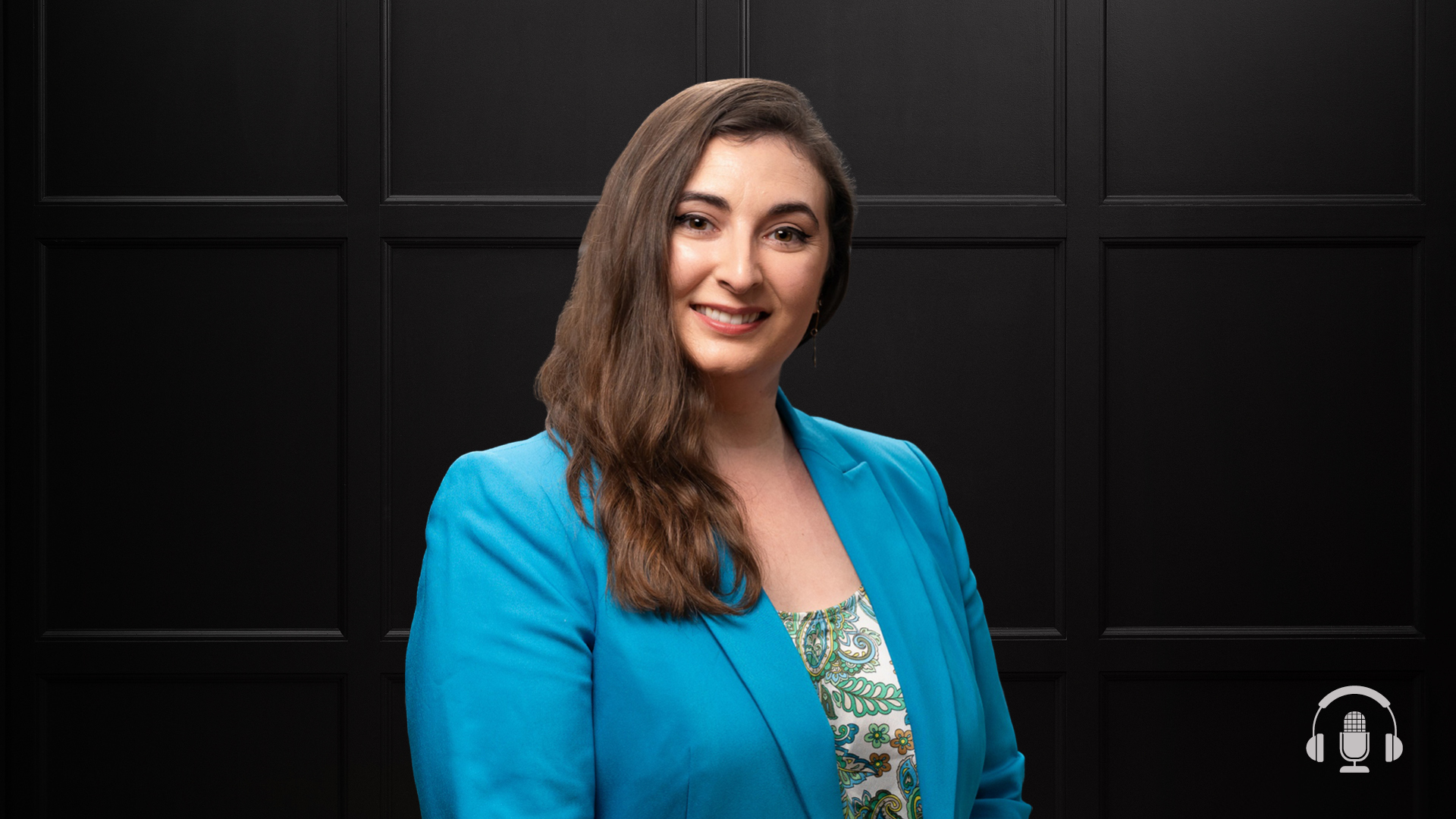
In this episode of “This Is Purdue,” we’re talking to Lindsay Veremis Perrault, director of co-curricular engagement and lecturer for the Brian Lamb School of Communication.
As a successful content creator, Lindsay has key insights into the future of digital content creation and how to empower students to transform their creative ideas into real-world impact through entrepreneurship and innovation.
In this episode, you will:
- Discover why younger generations, like Gen Z and Gen Alpha, are increasingly drawn to careers in content creation and social media influencing, and why parents and mentors should encourage this viable interest and help develop their creativity and business skills
- Gain insights into today’s content creation industry, including how it differs from social media influencing and user-generated content creation and how evolving platforms as well as algorithms and AI are making it more competitive
- Hear more about the future of the content creation industry for various levels, from micro- to mega-influencers like “MrBeast” and Alix Earle, and why industry professionals are leveraging long-form content to cultivate staying power and build loyal audiences
- Learn more about Lindsay’s role at Purdue, including her new course on digital content creation and social media and how it’s preparing Boilermakers to succeed and adapt in an ever-evolving industry
- Find out more about Lindsay’s background as a news anchor who became a content creator and blogger and how a master’s degree in strategic communication at Purdue helped empower this journey
- Dive deeper into her social media presence and blog, called “Anchored in Elegance” and aimed at elevating fashion for petite women, her passion for this hobby and how she prioritizes her mental health in an industry that demands 24/7 engagement
You don’t want to miss this episode with a Purdue alumna who’s shaping the next generation of digital content creators and innovators!
- Watch our full video interview with Lindsay Veremis Perrault
- Learn more about Lindsay
- Learn more about Lindsay’s lifestyle blog (“Anchored in Elegance”)
- Learn more about Purdue’s content creation and social media influence class
- Learn more about the Certificate in Entrepreneurship and Innovation at Purdue
- Learn more about Purdue’s Burton D. Morgan Center for Entrepreneurship
- Learn more about the Union Club Hotel at Purdue
- Learn more about Purdue’s Brian Lamb School of Communication
- Learn more about Purdue’s online Master of Science in Communication program
- Learn more about Purdue’s College of Liberal Arts
Podcast Transcript
This is Lindsay Perrault and you’re listening to This Is Purdue.
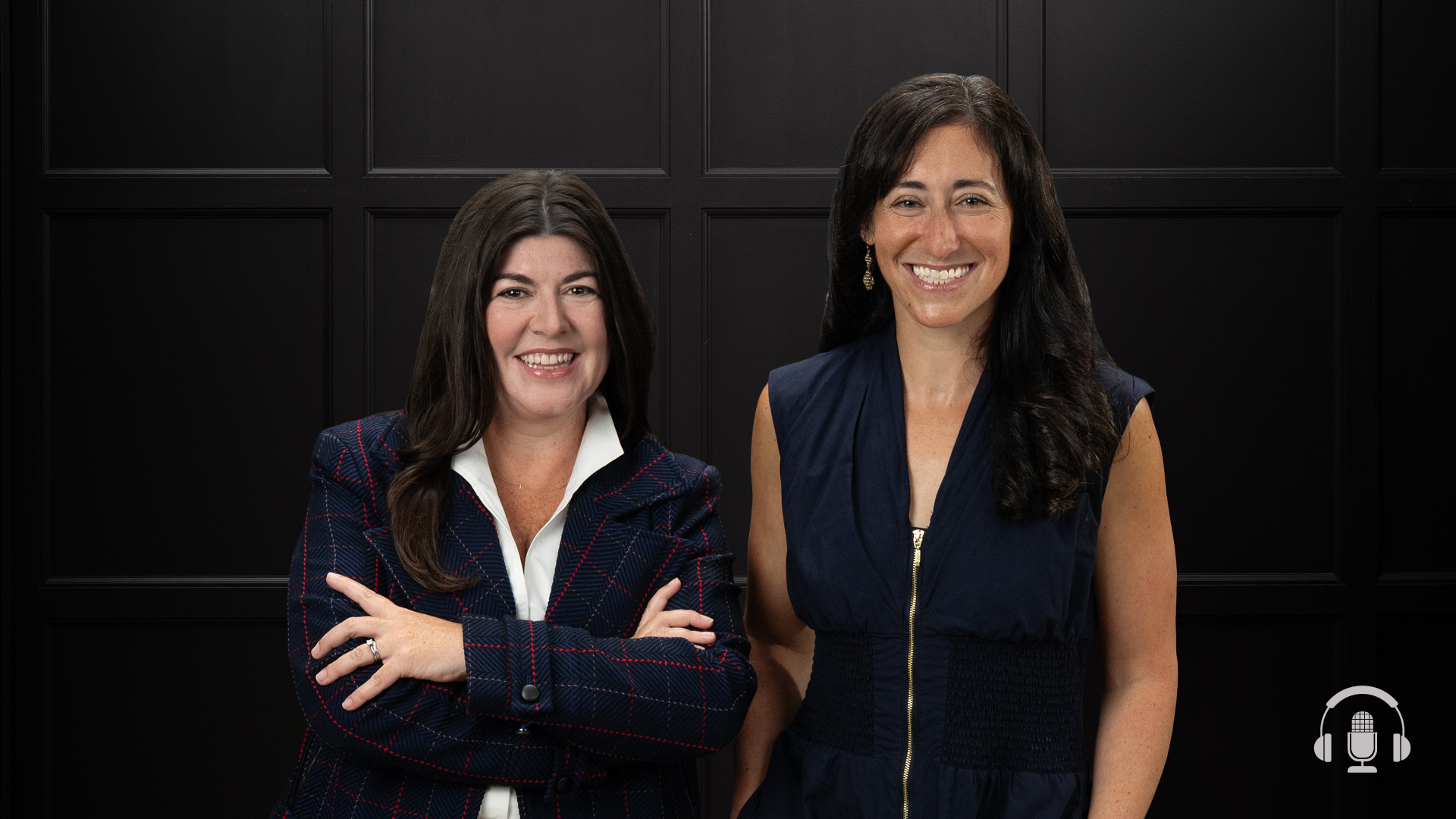
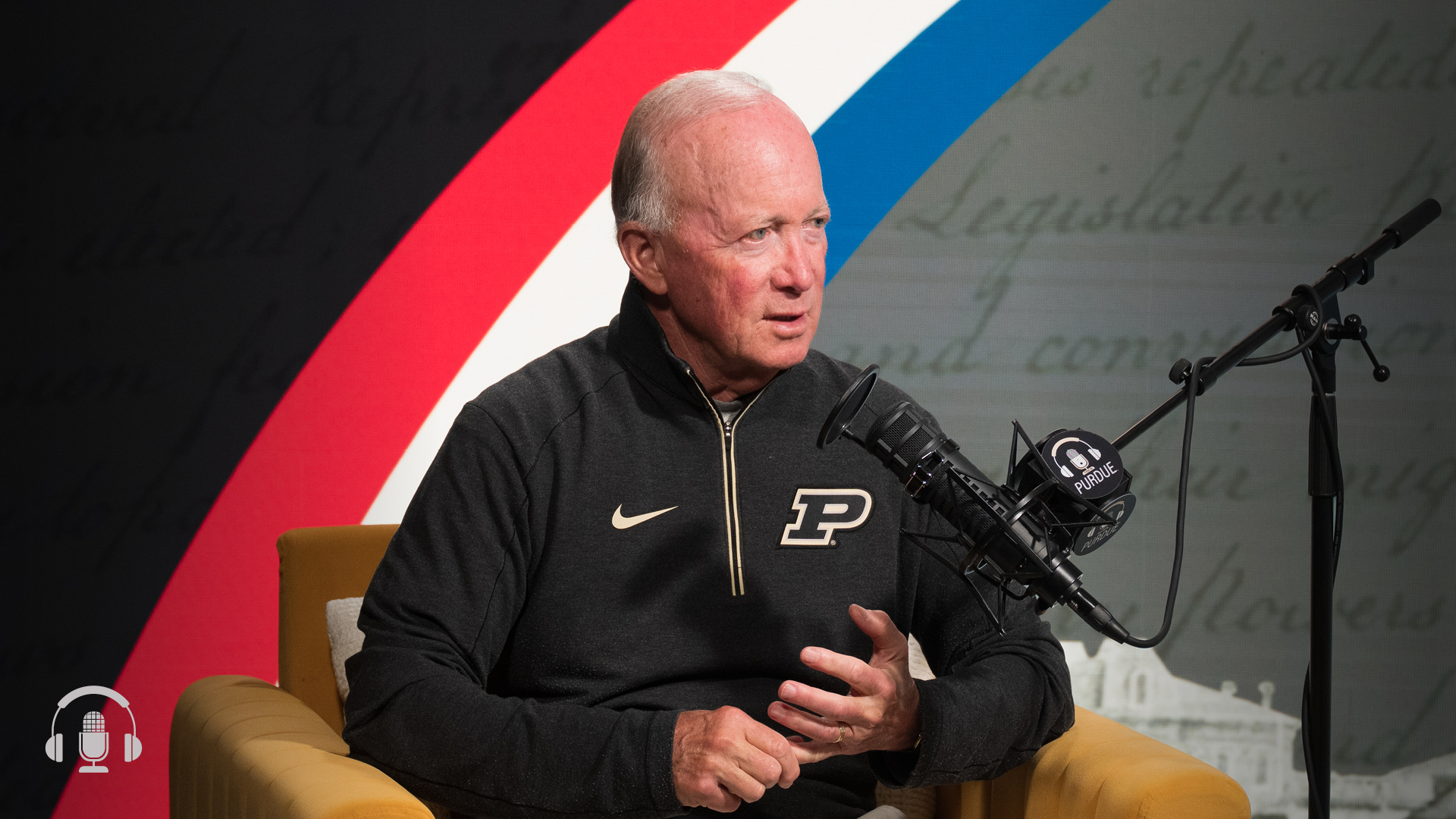
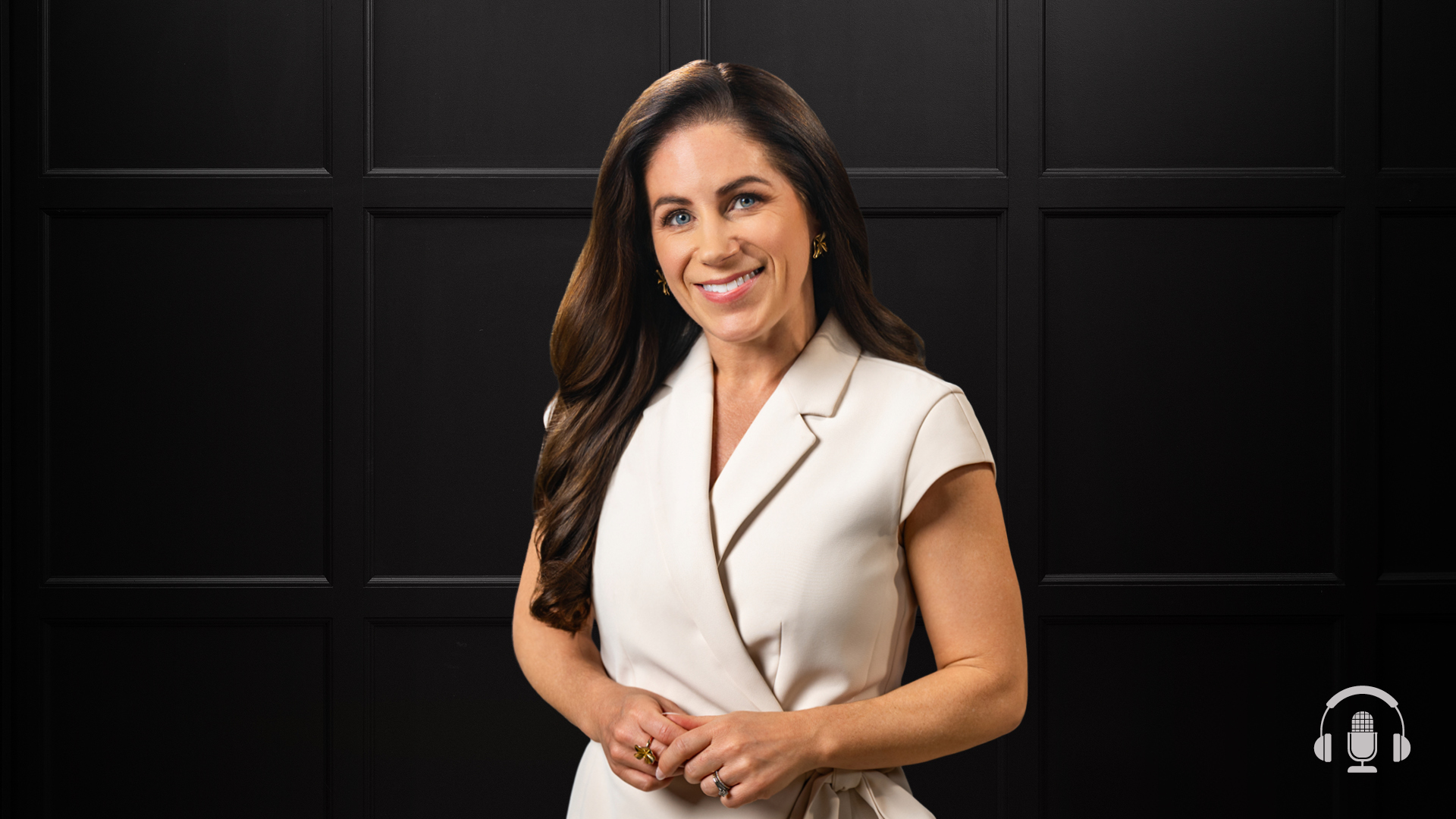
Hi, I’m Kate Young, and you’re listening to This Is Purdue, the official podcast for Purdue University. As Purdue alum and Indiana native, I know firsthand about the family of students and professors who are in it together, persistently pursuing and relentlessly rethinking.
Who are the next game changers, difference makers, ceiling breakers, innovators? Who are these boilermakers? Join me as we feature students, faculty, and alumni taking small steps towards their giant leaps and inspiring others to do the same.
The thing people don’t realize until they get deep into content creation is that you are your own small business, and you need to have those entrepreneurial skills if you’re going to be successful.
In this episode of This Is Purdue, we’re talking to Lindsay Perrault. In today’s digital world filled with social media apps like Instagram, Facebook, and YouTube, we’re inundated with photos and videos and advertisements. Social media has shifted the way companies advertise. They’re prioritizing influencer partnerships, authentic user-generated content, and highly targeted interactive ads over polished commercials.
Many people today head over to their favorite social media platform to research a brand or product before they buy it. And a lot of times, these people are watching their favorite content creators or influencers try on or use these products before adding it to their carts.
Now, if you’re curious about dipping your toes into content creation, or maybe you have a child who’s interested in this potential career path, then this episode is for you. We’re going to dive into the differences between a content creator and an influencer. That’s right. There are distinctions that make those two different.
We’re also going to discuss the future of content creation, and how to empower students on how they can transform their creative ideas into real-world impact as entrepreneurs. Because as you’ll hear, content creation is like running your own business. There’s strategy involved, writing, photography, even managing your money and taxes.
Lindsay is a fashion content creator, so she has firsthand knowledge of what the content creator space is like right now. She is also the director of Co-Curricular Engagement and a lecturer for the Brian Lamb School of Communication within Purdue’s College of Liberal Arts. She also teaches a new course on digital content creation and social media influencing at Purdue.
In this course, students are challenged with setting up an Instagram account and running it as their own personal brand throughout the semester. We’ll dig more into that and how the Union Club Hotel is involved in this episode. So let’s get to it. Here’s my conversation with Lindsay.
Lindsay, thank you so much for joining us on This Is Purdue, the official university podcast. We are just chatting about our former life and news. So I’m excited to hear about what you’re doing now, though, at this.
Will be fun.
Let’s start at the beginning. We’re in this golden age of digital content creation, and according to Forbes and CNBC, over 30% of Gen Alpha, 57% of Gen Z, respectively want to become content creators and influencers. In your opinion, what are your thoughts on why these younger generations want to go into that career path?
It makes a lot of sense. If you look at the demographics of that generation. There are a group that loves flexibility. They don’t see the value in climbing the corporate ladder the way our generation or the generations prior did. They value creative flexibility, the ability to set their own schedule. And content creation really gives you that. You are your own boss.
And they’re digital natives, so they grew up in a period where they could see people that looked like them have massive success in the industry. But it is a lot more complicated than it looks from the outside. And that’s where we need some classes that can professionalize what they might be attempting to do.
How would you define content creation and what exactly they do? Because it isn’t probably what it seems. It’s not all glamorous.
There’s a lot to it. It is copywriting. It’s photography. It’s videography. But most important, I like to think of it as storytelling. And that’s why I really enjoy content creation because you’re taking the message you want to share. You’re thinking about, who is this message for? Who am I trying to reach? It’s brand building. There are lots of different layers to it, and it looks so different depending on what your goal is.
We have content creators that are not about making a profit. Maybe they want to represent a cause or a mission. We also have content creators that enjoy the sales aspect, and they want to work with brands. And maybe it’s fashion, maybe it is sports related. It really is the kind of career you can chart your own adventure, and that’s pretty exciting.
So you were talking about layers. How is entrepreneurship and innovation one of those layers that appeals to those younger generations to?
The thing people don’t realize until they get deep into content creation is that you are your own small business. And it involves negotiation. It involves contracts. It involves deciding how am I going to file my taxes. And if you are successful at being a creator, once you have your account up and running, you often diversify. And maybe you’re going to experiment with different business ventures to sell a product, to build a course, and you need to have those entrepreneurial skills if you’re going to be successful.
When it comes to the innovation side of it, content creators by nature are creative people, so you’re going to have that innate skill set, but you need to have fundamentals and tools to be able to really take it to the next level. Because this is an industry that changes every year, I would argue it changes every month, and you need to be prepared for that.
So Lindsay, you and I were chatting before this and you said people in your son’s classroom are already saying, hey, I want to be a YouTube blogger when I grow up.
It’s really interesting to watch. He’s eight. So that gives you a perspective of how young they’re starting to contemplate these careers. And they were going around the room, and everyone was talking about what they wanted to do. And one of his buddies said, YouTuber. And it’s not uncommon.
We’re seeing careers like athlete, professional athlete, actress getting replaced by being a YouTuber and TikToker when it comes to the goals that children have. And it’s fascinating to watch. It’s also in some ways concerning. I think we need to develop some professional skills behind it to support it, but it is interesting.
What would you say for parents of Gen Z and Gen Alpha students who want to pursue content creation as a dream career? What advice should they keep in mind?
I think the first mistake would be is if you completely dismiss it because you can be very successful as a content creator. So I think the place to start is to assess what they can do to develop creative skill sets that could benefit them in that career. So things like videography, video editing, photography, storytelling skills, and especially honing a written skill set because that can translate in so many different ways in a content creator career.
The other layer is developing a business skill set. They have to have business acumen, so help them in that regard. And then as they move forward, remind them that this is a very fluid industry. And so you have to be adaptable. And so if they really want to pursue it and if they have a natural aptitude for it, the next step would be finding some sort of additional training, hopefully at the college level, where they can really develop that business skill set too.
That’s a great point because a lot of these content creators are witty and funny, and I’m like, how did they think of that caption? Or how are they thinking of these copywriting?
And it seems natural, but it is very strategic. It’s all about developing hooks, understanding consumer psychology, understanding what is going to make somebody click on something in three seconds. That is a skill set. It’s not all just luck and happenstance. They do have to develop it.
And also if you want to make this career, how are you going to develop staying power? It’s one thing to grow an account and have it work for a year on your wit, your humor, your personality. But if you want to do this for 10 years or more, there’s a lot more to it.
How has content creation grown and evolved in the past few years?
Its exploded. We are seeing a lot more people entering. What is interesting to watch is that we’re seeing a bit of an erosion of what I would call the creator middle class. We have people that are massively successful, but we also have a lot of creators that are struggling.
So many people, when we were in the pandemic, it looked like a very attractive career. We were all spending our entire day online, and brands didn’t have the ability to create advertising in the way that they would traditionally do.
So when we were in the pandemic and right after, as we were coming out, we had to find new ways to advertise and creators were earning a lot of money. It was easy at that point. There wasn’t as much competition. And so you had people make the decision who may have had traditional full-time jobs, say, I am going to take the leap and become a full time content creator. It worked for several years. A lot of creators made a wonderful salary.
Now we’re to the point where things are getting more competitive and brands that only have so many advertising dollars, they have to decide how are we going to get the most return on investment. And so now the demands are higher. The creators that are getting paid brand deals tend to be the larger, more established creators or the creators that are able to create ad worthy content that a brand can use as an ad that they boost behind the scenes.
Something that is really interesting to me is when I’m watching something and I don’t know it’s an ad until the very end. That is art.
That means the creator did their job and that is what we’re trying to do. And right now, it’s very important for brands to do that because we have such mistrust in traditional advertising. You can’t reach people with a TV commercial the way you once did. And so social ads are where brands are seeing the most return on investment, generally.
So let’s talk about the difference between a content creator and an influencer because it’s very interesting– there is a difference and you and I talked about it before, but I want to help our listeners and our viewers further understand it.
The creator economy is very broad, and I would divide creators up into three different buckets. Your influencers tend to be people that have a magnetic personality. They have that it quality that makes people want to follow them. And generally, it’s because there’s some aspect of their life that holds influence.
So it might be they have a particular skill set, or they’re an educator and a really knowledgeable, established person within their field, or they have this aspirational life that we can look at and say, I want to be her or I want to be him. Their audience is incredibly loyal. They will generally buy what you promote. They want to know what’s going on in your life. And so you have to be a very interesting, dynamic person to be an influencer.
Content creators often have similar skill sets to influencers, but they approach the field as an art form. And so they’re very focused on developing photography skills and videography. So I’d put myself in the content creator bucket because I love video editing more than anything. If I can have a day to play around with my camera and create some magic with video, that’s what I want to do. So content creators do still work with brands, but their focus is less on building a sizable audience and creating content that can be used in multiple different ways.
And then the third type of creator is what we call UGC creators. So these are creators they don’t need an audience at all to succeed and make an income. They have the content creation skills. They may not have any audience at all, but they can create ad worthy content that brands use. But it also still feels like it’s something the average person could create. It can’t be too polished because then we don’t trust it. So it has to feel like something that you shot on your cell phone so that we perceive that as a real, legitimate review.
So how are they making money if they don’t have that large of an audience, though?
The brands are paying them to create content. So for example, I’ve done some UGC work and I worked through an agency that focused mostly on creating TikTok videos. I don’t ever post anything on TikTok. And so this was a particular campaign where I went into Jared’s. It was for different jewelry. You go in and there’s five different concepts that you want to shoot. They have the hooks mapped out of what is the catchy title for that particular video, and you’re shooting all of that content, and then you send it directly to the brand, and the brand posts it.
So you are helping the brand create content at a scale that they typically wouldn’t be able to do. Because if you think about a typical business, you need content on social media every day. Not every business has the creative people on their team to do that, and so they need to hire other people to help.
Would you say that celebrities are influencers in a way?
Oh, absolutely. And I think that’s why you see so many celebrities doing the kind of content that influencers do, because now they see a little bit of competition from some of these mega influencers that are pulling attention away from your traditional celebrities because they are celebrities in their own right.
And the celebrities can make more money on top of the money they already made.
Brand deals. Why not?
So how are these two roles different when it comes to content output, target audience, and brand sponsorships?
The big distinction is that if you want to build a career on being an influencer, you have to have consistency. You need to show up for your audience day in and day out. If you think about people like Alix Earle, when she was building her career, she is posting constantly. So you need to be doing that.
You’re also thinking about who your audience is. When you grow a very large following, your audience starts to get more diverse. And so it’s not necessarily that one target group that you might have initially been reaching for. And so that’s why brands often like to work with smaller creators, because they have a very key idea of who they’re trying to reach. And your micro-influencers and your nano-influencers, that’s the industry term that we use, they are the ones that tend to reach that specific population.
Consistency is important for influencers, also demonstrating a lot of personality and authenticity. If you try to be this perfectly packaged, polished person all of the time, you’re not going to develop the kind of connection that you need to succeed with your audience.
From the content creation standpoint, you’re really trying to develop the art form and consistently evolving your skills, because what works today is not going to work a month from now. And so you have to be willing to pivot to try new things.
When I first got into doing content creation, I thought it would all be about photography, and I focused so much on learning the art of photography. And then reels came along and all of a sudden photos didn’t work anymore. And so you had to develop that short form video skill set.
And I remember when they were trying to get Instagram back to photos and that never really happened. They’re still trying, carousel posts. So that’s a cycle of a variety of different photos. They are coming back. But it is interesting to see Instagram seemingly flip flopping and changing its mind all the time.
Is there such thing as posting too much?
Too much your mental health, I would say. So for algorithms– and it can be detrimental if you post too much, because you want the content that you put out to be quality, especially right now when we have so much information competing for our attention.
When I look at the way my students consume social media, how fast they’re scrolling, as a creator, it kind of kills me because I know it’s just a split second you have to get somebody to sit with content that you might have been working on for eight hours or even longer. And so you really have to dial into how do I continue to be interesting.
Not to mention the fast forwarding now of the 2x.
Yep, it’s so easy to get skipped over.
So you call yourself a content creator. Why do you make that distinction?
I like to be very transparent when I’m working with brand partners about what I can provide. And what I’m very confident in is, as a former journalist, I have storytelling skills that I know are going to be valuable to them. I know I have photography skills, videography skills that are at a higher professional level because I was in the industry for 10 years and I continue to develop that art form.
And so I like to focus on the artistic side of content creation. And I’m very confident that when I work with a partner, I’m going to give them a piece of content that they can use as an ad. It’s going to be quality. What I don’t like to promise is that I’m going to reach a very large audience. I think I’ve developed a group of people that value my insight and opinion, but I’m never going to sell being the most interesting person in the world. I think influencers have influence, I have educational influence, but I wouldn’t classify myself as an influencer.
And then people like MrBeast or Alix Earle, those are influencers the majority of people are interested in. They want to see their everyday life. They want to see them getting ready for events. They want to see the little details.
And it takes a certain phase in your life to be able to do that. And that’s the other reason why I chose the content creator approach, because it’s more practical. I’m a mom, I work full time at Purdue. I can’t create content as often as I want, and so I don’t have the opportunity to do many of those things that would be required to be successful as an influencer.
You have to be on all the time. That is very difficult for a lot of people. So the most I can handle is maybe posting three times a week on Instagram. And the content I put out I want it to be great, but I can’t show up every day to build an audience.
You’re not getting ready for Dancing with the Stars?
No. Oh, it would be fun though.
[LAUGHS] So working with brands as an influencer versus a content creator, how does that differ?
I would say it’s actually pretty similar between those two groups. The place where it really differs is if you are a UGC creator, because you are often the one person production company for them. But both influencers and content creators, the brand is going to expect you to have a creative, innovative concept.
They go to creators because you are going to think about how to position that product or service in a way that their marketing team might not have thought of because you are acutely aware of what your audience thinks about things, and so you’re going to have ideas they haven’t even begun to explore.
So that’s one aspect of when they’re working with content creators and influencers. So they go for the level of creativity. I think both content creators and influencers approach it like an art form. It’s very much a business transaction. You’re coming up with the scripting. There’s rounds of revision, so you generally will be submitting drafts ahead of time, but it is quite similar.
We talked at the beginning about having business skills, having copywriting skills. Why do you think it’s still really vital for students to obtain a college degree, even if they do want to go into content creation someday?
It’s the same thing I tell my students in the content creation and social media influencing class. The more you focus on the business aspects and developing skill sets, the more staying power you’re going to have in the industry.
It’s really difficult to watch when you see a creator who had massive growth and it worked really well– and I’ve watched this cycle happen with many, many people where they’re riding a high because the algorithm is working well, it’s connecting. You’re building your audience, and then something changes and they don’t know how to pull themselves out of that.
If you have a firm business skill background underpinning your work, as well as that creative skill set, you can pivot in so many different directions. And maybe at some point you decide content creation isn’t for me. You could become a professional photographer, you could sell your video skills, you could be a writer, you could do strategic communication. And so I think you really want to broaden out your skill set so you’re not pinned in one particular direction.
Nowadays we see LinkedIn content creators. I see a ton of dermatologists on Instagram. Now they’re getting their own skin lines from the success they’re having as content creators, as influencers. So how can working professionals use content creations to further their career?
I don’t even think it’s a how can, I think it’s a must. You have to. If you’re a business owner these days and you want to reach an audience, it’s not optional anymore. You’re going to have to do some kind of form of content creation, whether it’s hiring somebody or learning to do it yourself.
And the beauty of content creation now is there’s so many tools that allow anybody to produce it. So we’ve had advances in editing apps. So you can essentially do what I used to do with multiple video cameras and the full Adobe Premiere editing suite. Now, you can do it right from your cell phone.
And so I have taught workshops in the area with women’s business associations, where we talk about how you can use the tool in your pocket. Cell phones shoot incredible video. And so it’s just a matter of sitting down and thinking about learning the basics.
And it’s easier than people think. Even my eight-year-old has been able to edit video. And so you’re thinking about what’s my message, what’s the story I’m trying to tell. And now we’re developing the creative skills. So it is new, it is different, but there’s so much potential.
I even like to use my Instagram to play around to help my skills for the podcast.
It’s fun. And if you are of a creative mindset– and this is what inspires me so much about the creator economy– is that you get to learn constantly. Every day is different. There’s always an opportunity to drill down a little bit more, to polish that one thing.
So Purdue Certificate in Entrepreneurship and Innovation is open to all majors. Why is that program a great addition for any student considering a career in content creation after graduation?
It gives you the next level of professionalism. I think it’s a matter of staying power in the industry. You have that underpinning of business background that you’re going to use if you decide to develop a product to sell a course. All of that is really important. And then from the innovation component, it allows you to approach content creation with an innovative headspace that you’re going to need because it’s a very fluid, ever changing industry.
Content creation is all about innovation. It’s always different, ever changing. And so I think focusing on entrepreneurship sets you up to be long lasting in the content creation industry, in the space. If you want to build a business off what you are creating, many content creators eventually will sell a course.
Sometimes it’s about how to become a content creator. We see that all the time. But it might be a product. It might be realizing at some point maybe I was doing content creation for myself for a while, and now I’m going to help real estate agents by creating videos for them. And then how do you market that skill set? You need to have the business background. And so adding that on top of perhaps a communications degree or a video arts degree, there’s lots of different options.
We talked a little bit about the algorithms changing. I think after the pandemic they changed a ton. And there’s all this competition now. Things like AI, I am sure have changed as well. Given these factors, what do you think the future of content creation looks like?
I just had a conversation with a student in the advertising class I teach yesterday about what it’s going to look like. It’s not going to go away, but I do see it’s narrowing the content creation space because we’re in a period of influencer fatigue, in many ways.
Influencers have been around for a while now, and if you think about scrolling through your social media feed– and your feed might be a little bit different than mine, because it’s all customized based on what you do with social media and how you interact with it. But I’m noticing it’s all ads, and so that is pushing quite a lot of people away in getting us to just dismiss it.
We’re not engaging with content anymore in the way that we used to. We are not inclined to comment on posts. We just passively consume. And so social media isn’t really social anymore. It’s becoming entertainment media. It’s becoming interest-based media. If people aren’t interacting with the content, it makes it harder for content creators to last in the industry.
So I think we’re going to see a narrower pool of people who pursue this. We are also seeing topical experts. So influencers are now building that influence based on specific skill sets of someone who is coming out of a particular industry, their knowledge-based influencers. And that to me is really exciting because you can learn so much from these people.
And their content tends to be high caliber, high quality. It’s value-added content. I talk to my students very often about putting value in every single post that you do, so that if somebody reads that piece of content, they watch your video, what do they learn? What did they walk away from? Are they feeling more emotionally connected? Are they feeling uplifted? Is there a bit or a golden nugget of information that is actually truly helpful? Those are the kind of people that are going to stick around.
Now that you say that, I never really like posts or comment. I send them to my friends.
That’s good. That is a engagement metric that is very powerful and that is what most people are doing. If you have noticed, if you look really carefully about what the metrics look like is the likes on posts are way, way down. That’s because we’re saving and we’re sharing. We’re not necessarily liking.
Oh, I do book. I’ll save them and go back to and make a placement–
If it’s something that’s going to be helpful.
Yep. Or oh, I need to buy that next time I’m at the drugstore or whatever it might be. What are the risks of serving a platform that you don’t own in terms of content longevity?
We are seeing this play out right now in a big way. There have been a lot of engagement rate changes on Instagram. Creators that for a long period of time were very successful, it’s gone off the cliff. And that’s very emotionally frustrating for a lot of people. And so you are seeing people exit the industry.
So what you can do is you want to diversify as much as possible and ideally have something that you own. This is why, even though many people think blogs are a thing of the past, having a website where that is your space, you own it. Also your email list. You always have a way to reach that audience that gave you that very precious access to their email. Not everybody’s going to do that. So the people that go there are your superfans.
And if I look at my own accounts where I truly make conversions or people buy something based on my recommendation, it does not happen on Instagram. It’s always based on my long form content on my blog, where I talk a lot about petite fashion tips and advice for dressing in that manner.
Those are readers that are going there for a specific purpose, so they already have a purchase intent, or they have a question, a problem that long form content can solve. So we’re seeing many creators pivot away from short form to longer form content like podcasts, YouTube, and even back to blogging, or Substack. That too.
Oh, yeah. Substack is hot right now. You talked about you have a full-time job. You’re a wife. You’re a mom. How do you stay fresh and relevant as a content creator?
I think working with college students really helps.
Oh, that’s a great point–
They give me a fresh perspective. And I love teaching the content creation class because they do a project where they select an influencer that they want to talk about and present why this person is successful. And so I’m constantly getting new ideas in different places.
I also love to consume social media for ideas. Generally, I am on social media and I’m working, so I’m posting or it’s something based on my own content. But I do set aside maybe five minutes or so where I scroll for inspiration, and I have many folders where I save things that are artistically inspiring, or I love how a creator did that.
So I think it’s just having an open mind being willing to learn new things. And that wasn’t a stretch for me, because that’s why I went into journalism in the first place, because I like change. I don’t want every workday to look the same. And that works really well for content creation, because you never know where a project is going to take you.
Let’s get into your class. It’s such a cool concept. It’s fairly new, so tell us all about it.
What I noticed is we had an absence of classes that were designed for students who wanted to build their own personal brand based on their interest. We had other social media classes where they were building social content for someone else, but this allows them to pick a topic that they’re interested in and then build the social media skills around it.
In content creation and social media influencing, they come into the class and we go through the whole process of starting your own influencer account. So they pick a topic. They go through a lot of personal branding exercises, they hear from experts in the field. And then we start to develop the photography and video skill set that they need, as well as learning about what is value-added content.
So if you’re going to put something out there, can we make sure that it doesn’t feel so me centric and it is actually of utility for the audience? And then their final project, they get to go through what it’s like to do an influencer campaign where you work with a particular client.
And who is that client?
So the Union Club Hotel is our partner for that project, and it has been a beautiful partnership, because if you’ve been there, you know the space is aesthetically pleasing, but it also works really well because they have different outlets that will appeal to different students.
So I have some students who are building accounts around food in the community, and so they are very interested in going to 811 or boiler up bar or covering leaps coffee, and they can focus on that. And then you have other creators that might be doing something in the fashion and beauty realm. They tend to look at the hotel as a backdrop for being a really stunning aesthetic location, and maybe they’re matching outfits to the rooms of the Union Club Hotel.
But what’s important about that project is someone from the Union Club Hotel comes into the class, and they give them a content direction brief of this is our brand, this is what we’re looking for. Here are our marketing challenges. Here are what not to do and what we would like you to create.
And so they can start to go through the process of what it really looks like when you’re doing a client campaign, that it’s not all about what you want. You have to project the message that the client needs to deliver, while also formatting it for your audience at the same time. And it’s interesting to watch what they do. And the student who is the most successful gets to come back, and the Union Club Hotel will hire them as an influencer to do a little local staycation.
Oh, incredible. And I bet it gets competitive.
It does. We found once we added that, it sweetened the pot and they turn out some really impressive work.
You’ve talked a little bit about your lifestyle blog. It’s called “Anchored in Elegance.” And like you said, it specifically caters to petite fashion. I follow you, I love it all. I’m not quite as petite, but I am a short woman and I love all your style. And then that’s also the name of your Instagram, so if anyone wants to follow you there. But what sparked your interest in all of that?
It goes way back to when I still worked in TV. I wasn’t aware of the content creation space originally, but part of my role as the anchor of a morning show was to promote our show content. And I noticed that even though I was often sharing hard hitting news stories, what’s happening in the world, what people were most engaged with was what I was wearing for the day. Or if I shared something like how I decorated my Christmas tree or a picture of my cat. It was always more of the human connection pieces, and I did find that really fun.
And the other thing that nudged me in that direction is we had a woman who was a blogger and she wanted to appear on our show, and so we did some segments with her. And I’d never thought of blogging as a career. And then I started to explore it because I found what she was doing very interesting.
And then when we moved here, I needed a creative outlet and a way to tell stories again. And so I launched my blog when I was pregnant with my son. The first thing when I told my husband I was going to do this, he laughed at me. He’s like don’t have any technical skills. How are you going to do that? And you can figure it out. There’s YouTube university. You can learn anything.
And so initially I intended the blog– it was called “Anchored in Elegance” because, yes, I was going to talk about fashion, but I also assumed I was going to be going back into the news industry, and it would be a behind the scenes view of news. Well, that never happened. And so it needed to pivot.
And I found the questions I got most frequently in the audience I seem to be connecting with was women who were very short, who found it difficult to find clothing that fit just right. And what are some tricks to make yourself look taller or find ways to shop more effectively. And so the audience I tend to cater to is people that are like 5 foot and under, because it is very specific.
How does that help you connect with your students and strengthen the course that you’re teaching and influencing?
It makes it very natural, and they do tell me that they appreciate it. It would be very difficult to teach this course if you didn’t have your feet still in the industry, because it changes so fast. And I have had to revamp things that I teach almost every single semester because something is going to change.
It also allows me to give them very real examples of what client requests look like. What does it look like when you’re going through a campaign? What are some red flags to watch out for? Where are the scams you need to be aware of? And people very much do target influencers.
You also will have brands that reach out, seeming to be brands that are not legit at all, and they’re hoping to use influencers to basically set up a scam website. So there’s things like that I can point out, because I have specific examples in my inbox that I can show them.
Is it a matter of if it looks too good to be true it probably is?
It’s that. It is websites that just launched in 2026, and then you go to their social media and no one is engaging with them. And it’s also people saying, I bought something from this company and I never received my item. So when a brand reaches out to me, unless I have already shopped there, I’m very, very careful.
I want to circle back to the mental health aspect, because being online 24/7, and if that’s your main career, that can deeply impact your mental health, I imagine. So what tips do you have and what tips do you give your students for rest and resiliency?
It’s important to have the conversation. So we do have a whole class period where we talk about different ethical considerations that you’re going to encounter and also the mental health aspect. One thing most successful creators who have lasted in the business do is very specifically set aside this is a day I’m not going to be online. So even if you post most of the week to have a day where you completely disconnect and you are not going to look at your phone for anything. I think that’s really important.
It’s also helps protect if you don’t post in real time. For travel creators, especially if you are constantly traveling and on the go, or you’re creating content when you’re on vacation with your family, most creators are going to weave that into what you’re talking about.
But if I’m taking time away from being with my family to post an Instagram story in real time, that’s going to be detrimental to them. It’s also going to damage your mental health because you’re never fully present. So I never post in real time. Things come back later and I’ll edit when I get back home. So that’s one thing.
The other thing that’s crucial is to make sure that you’re not tying your self-worth to engagement rates. And it’s very easy to do. It’s very easy to spend a lot of time comparing yourself to others. You can look at other creators and say they’re doing something similar to what I’m doing. Why are they successful and I’m not?
So I think putting your value based on, well, what am I creating, and am I proud of what I’m putting out there? Am I helping somebody with my content? And so I look at it as an art form. So I think chasing content creation and not influencing in a way reduces the pressure because I don’t need to be all things to everybody. But if I can reach one person and be helpful to them, and if I can create content I’m proud of for my business partner and they say, well, that photo is beautiful, or that video really worked for us, that’s enough for me.
You also received your master’s degree from Purdue. How did that background shape your career now as a student lecturer and leading your courses here at Purdue?
So strategic communication here allowed me to pull various pieces of my life and experience together in a new way. So my background is journalism, spent 10 years in the industry. I was also doing content creation, so I had that. But the strategic communication aspect allowed me to think about some of the communication theories and the way people behave in a new way that allowed me to link all of these various pieces together. And to think about things very strategically, what you need to do as a content creator. So it was incredibly useful.
What advice do you have for current or future as Gen Alphas coming up and into Purdue, what advice do you have for students who want to become influencers or content creators?
Don’t wait. If you want to do this, just do it. Start creating. Find a topic that you’re passionate about. What I tell my students is, think about what is the one thing that you can talk about nonstop to anybody and everybody, and you will never get sick of talking about that? That’s what you want. Because if you start and you pick something and you only half love it, you’re going to get tired of this really fast. But dive in. It’s going to be messy at first. If I scroll back to the early days of my content creation account, I cringe. It’s terrible, but you have that learning curve.
And so there’s no reason to wait. You just have to dive in, get creative, build the skill as you go, and then constantly learn, experiment. Content creators that are in the industry, even the most successful among them, are always trying new things. And not everything is going to work, but sometimes you’re going to find that magic piece of the puzzle that really does hit.
It was an absolute pleasure. Thank you so much for joining us. Is there anything I missed, anything else you want to share with our listeners or viewers?
You covered most of it. I think content creation is a space that’s really exciting and invigorating. It’s an opportunity to be creative. So I think if people are listening to this who are from the business side, and maybe you’ve seen content creation and you wanted to try it, give it a whirl. You know message. You know what you’re trying to convey to an audience. It’s just a matter of repackaging it. And it’s very fun once you get it. It’ll hook you.
Don’t you think, too, it could even be a fun hobby?
Well, that’s what it is for me. I look at my content creation as a hobby, and probably the best part about it is it has allowed me to enjoy my community and the people I interact with in a new way. Because when you start creating content, you’re going to see beauty in the community and backdrops and buildings and places where you might shoot content in a way that you probably wouldn’t have noticed before. Especially on travel, I think it’s a way to document your life and your experiences that you can go back on. So my Instagram is almost like a photo album of important memories.
Yeah, oh, that’s amazing. Thank you so much, Lindsay. I could probably talk about this all day.
It’s been fun. Thank you, Kate.
Thank you. We can’t thank Lindsay enough for joining us. Remember, you can check out her blog and Instagram account in our podcast show notes. OK, that’s a wrap on our spring season, but stay tuned for more exciting episodes this August as we launch our fall 2026 season. We’ll be featuring additional relevant topics that everyone is talking about.
And don’t forget, we’ll have bonus content releasing on our YouTube channel all summer as well, so be sure to subscribe over there. And be sure to follow This Is Purdue on Apple Podcasts, Spotify, iHeartRadio, or wherever you get your podcasts so you don’t miss our kickoff to the fall season. We’ll talk to you in August.
This Is Purdue is hosted and written by me, Kate Young. Our podcast videographer for this episode was led by Thad Boone in collaboration with Jon Garcia, Alli Chaney, Ryan Delaney, and Jonathan Hord. Our social media marketing is led by Maria Welch. Our podcast design is led by Cheryl Glotzbach.
Our podcast photography for this episode was led by Kelsey Lefever. Our podcast team project manager is Rain Gu. Our podcast YouTube promotions is managed by Megan Hoskins. Additional writing and research assistance is led by Ashvini Malshe, and our creative production manager is Dalani Young.
Thanks for listening to This Is Purdue. For more information on this episode, visit our website at purdue.edu/podcast. From there, you can head over to your favorite podcast app to subscribe. And don’t forget, you can also check out all of our podcast content on our podcast YouTube page youtube.com/@ThisIsPurdue And as always, boiler up.