Podcast Ep. 144: In 49 Other States, It’s Just Basketball — Why Indiana Loves the Game
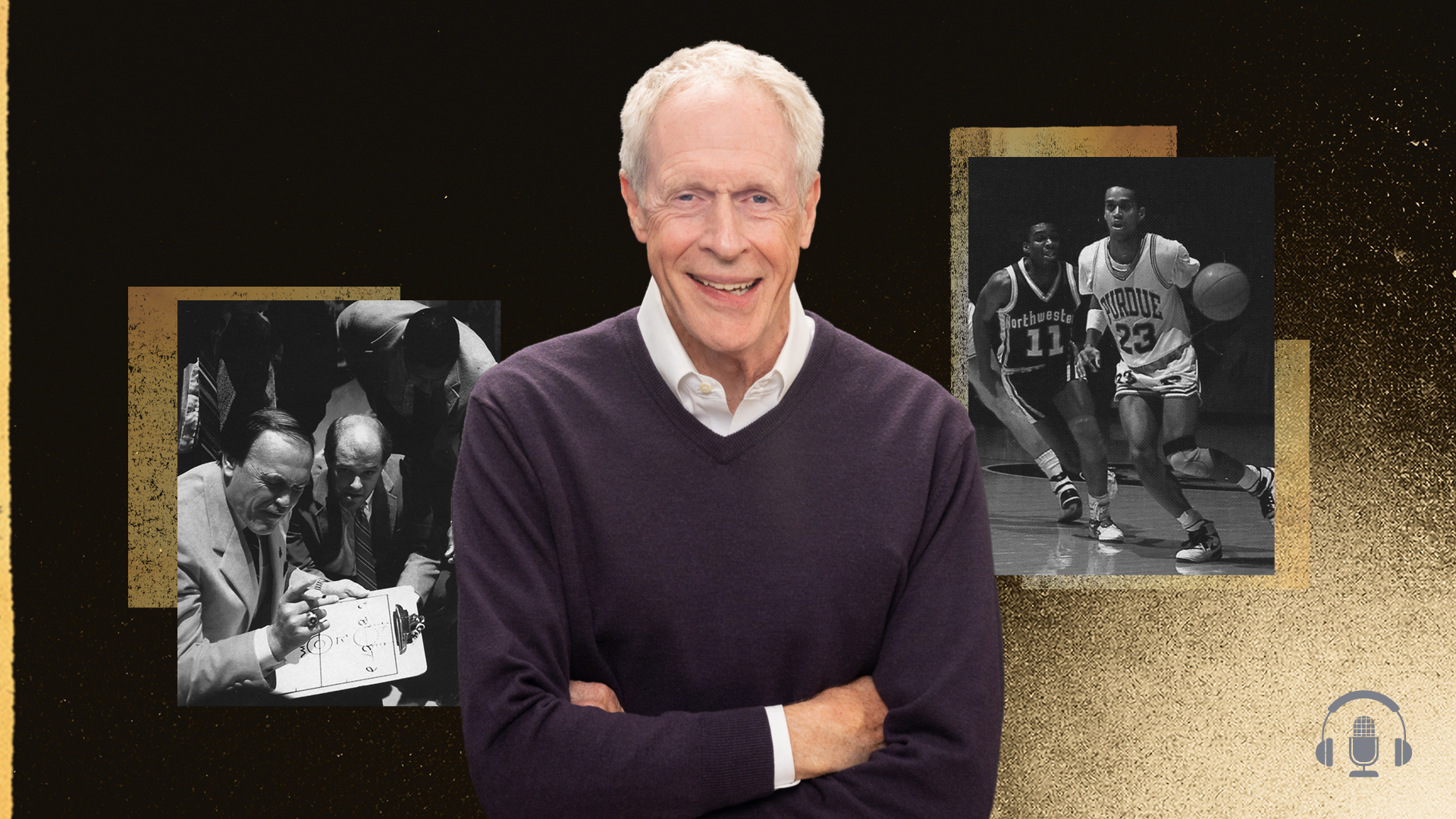
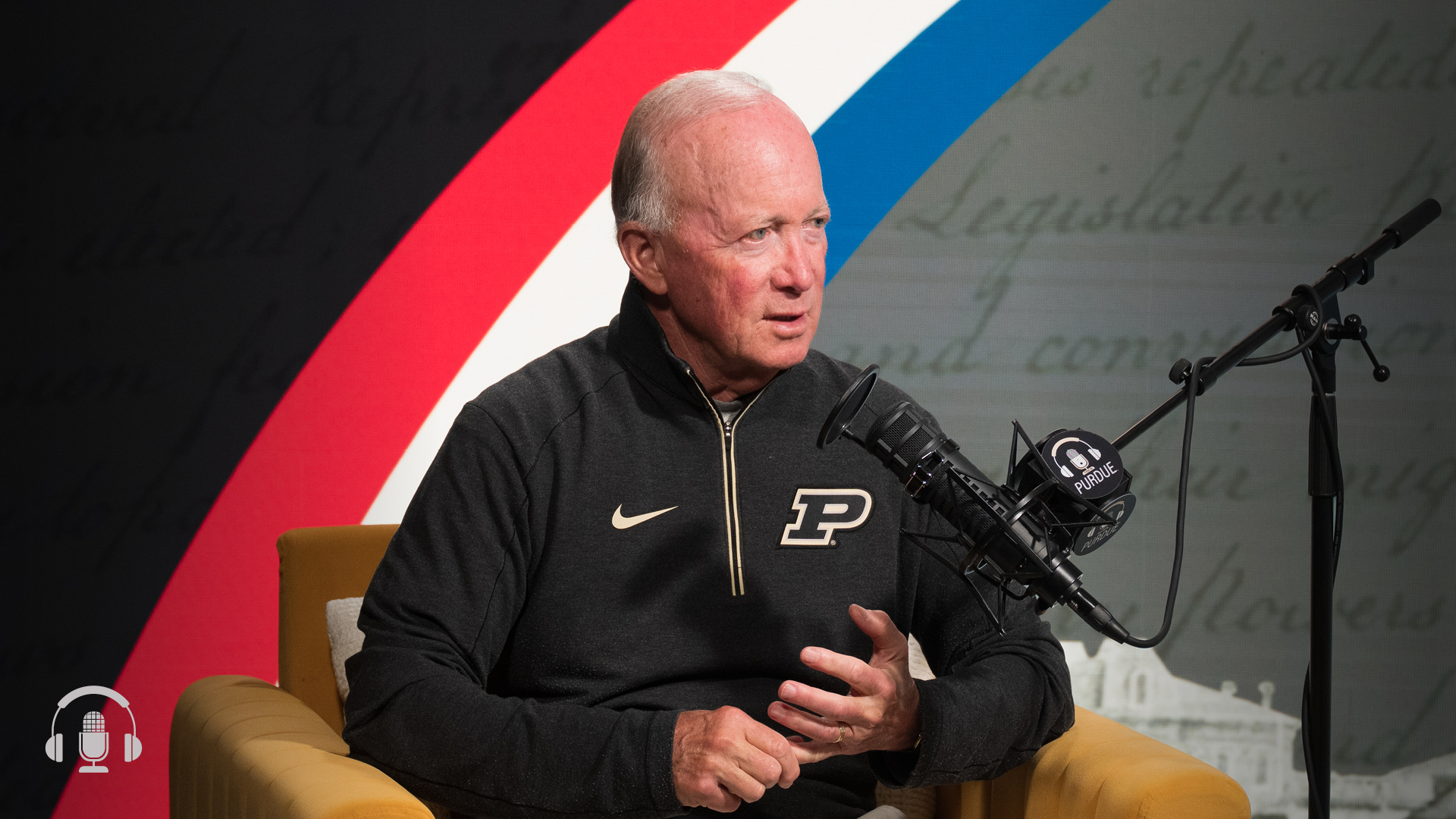
In this episode of “This Is Purdue,” we’re talking to Mark Montieth, author and sports journalist.
Mark is a renowned basketball historian with a decades-long career reporting for publications like the Indianapolis Star and Journal Gazette (Fort Wayne). As an Indiana native, he’s an expert on the state’s famous basketball culture and fandom, and how Purdue has played a key role in this rich legacy. Mark has a unique perspective because he’s covered basketball at all levels. He’ll share his inside observations on why Indiana is the state for basketball, ahead of the NCAA Tournament that will culminate with the Final Four in downtown Indianapolis on April 4 and 6.
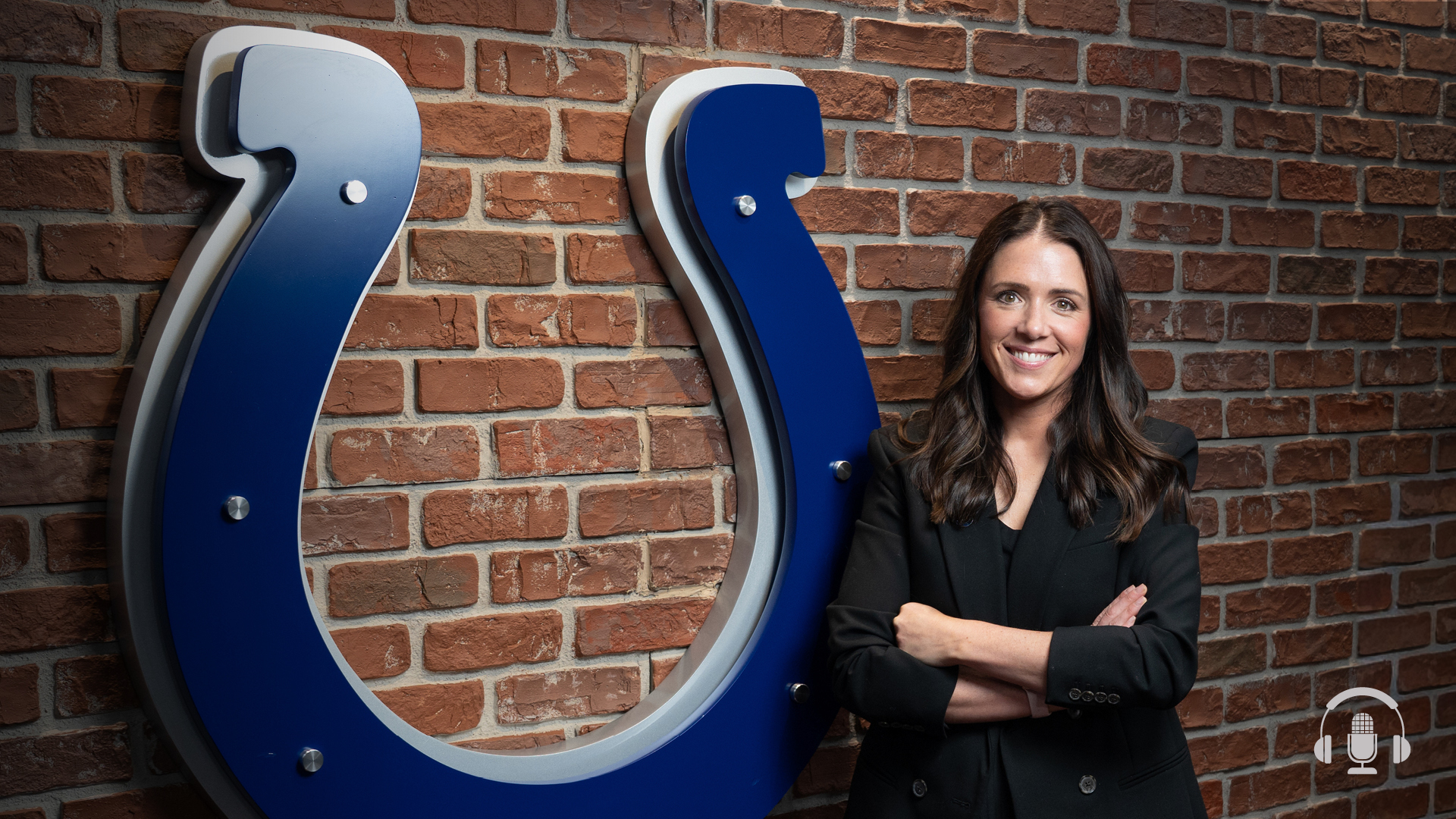
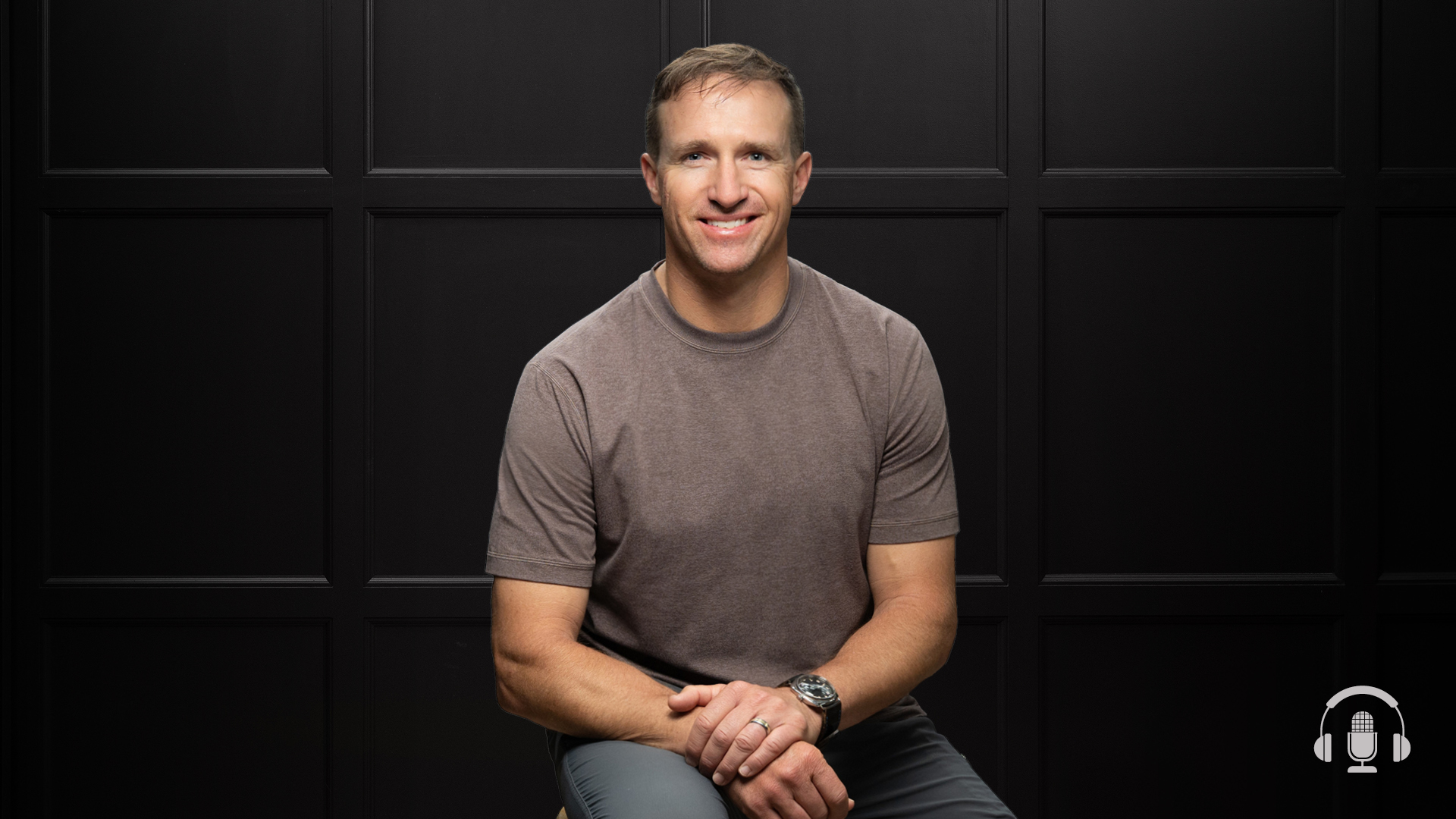
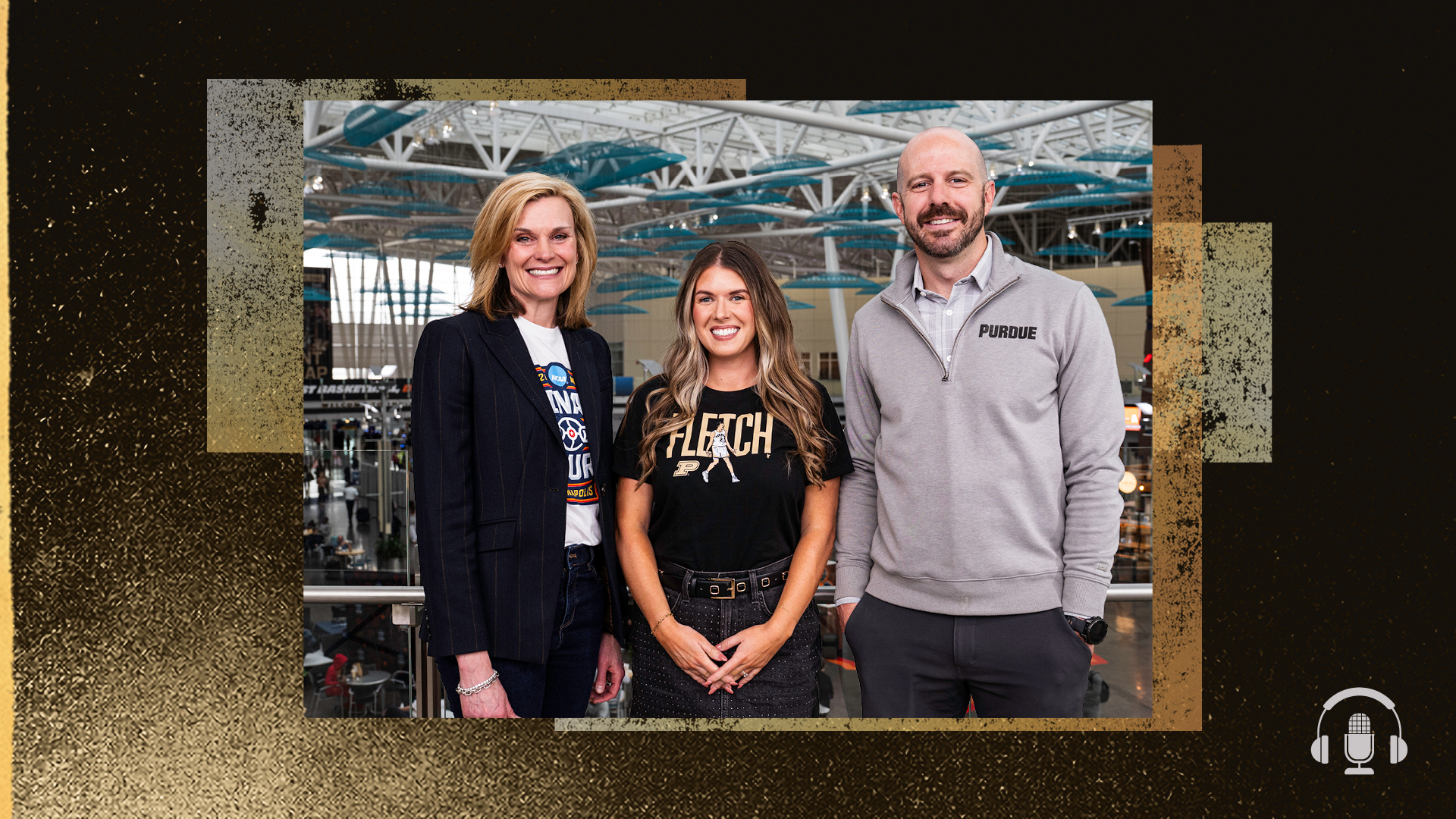
This is also another exciting episode for “This Is Purdue” because host Kate Young is joined by a special co-host: Derek Schultz, Purdue spokesman and Indy sports personality!
In this episode, you will:
- Explore more about Mark’s upbringing in Indiana, his early love of sports and writing, and his journey to becoming one of the most respected sports journalists in the state
- Dive into why Indiana is the state for basketball, from its historic dedication to high school teams to the enduring legacies of players like Rick Mount and Reggie Miller
- Learn about Mark’s time documenting legendary Purdue basketball coach Gene Keady and the 1988 basketball team’s epic journey, which became the basis for his book “Passion Play: A Season With the Purdue Boilermakers and Coach Gene Keady”
- Hear more about Purdue’s impact on basketball, from fan loyalty to famous rivalries
- Get Mark’s insights on the 2026 Final Four and why Indianapolis is the perfect place to host one of the country’s biggest sports events
You don’t want to miss Mark’s career-defining stories about local basketball history and culture. In 49 other states, it’s just basketball, but this is Indiana!
- Watch our full video interview with Mark here
- Learn more about Mark
- Learn more about his book “Passion Play”
- Learn more about Purdue men’s basketball
- Learn more about Gene Keady
- Learn more about the 1988 Purdue men’s basketball team
- Learn more about the 2026 Final Four at Lucas Oil Stadium
- Learn more about Derek Schultz
Podcast Transcript
Mark Montieth:
This is Mark Montieth, and you’re listening to This Is Purdue.
Kate Young:
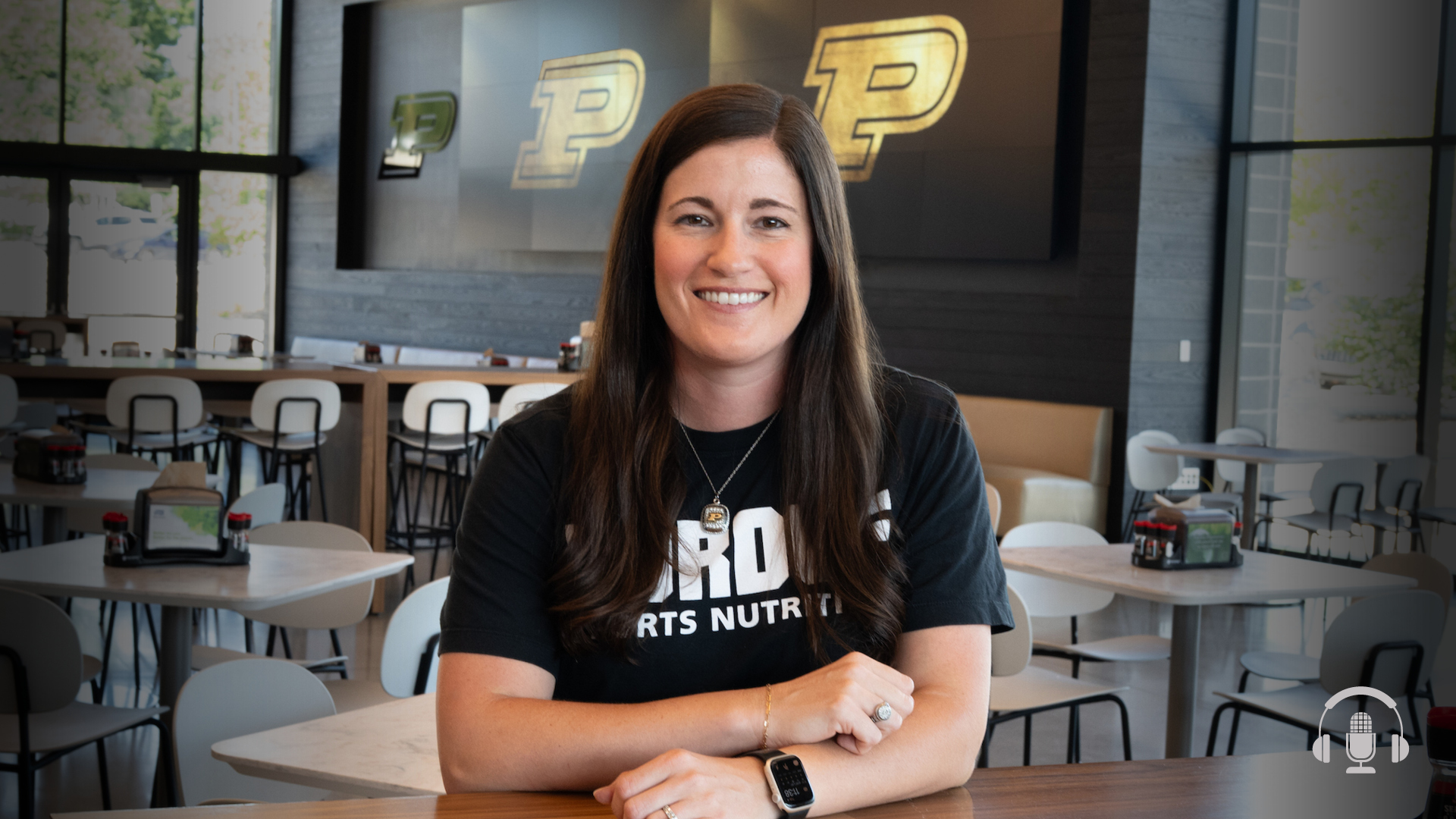
Hi, I’m Kate Young, and you’re listening to This Is Purdue, the official podcast for Purdue University. As a Purdue alum and Indiana native, I know firsthand about the family of students and professors who are in it together, persistently pursuing and relentlessly rethinking, who are the next game changers, difference makers, ceiling breakers, innovators? Who are these Boilermakers? Join me as we feature students, faculty, and alumni, taking small steps towards their giant leaps and inspiring others to do the same.
Mark Montieth:
Indiana got in on the ground floor of basketball. And it just so is a part of our lives, particularly for baby boomers like myself. It was a part of your life growing up, whether it was watching the state tournament on television or you’re being an IU or Purdue fan or going to a Butler game. It’s just part of the culture.
Kate Young:
In this episode of This Is Purdue, we’re talking to Mark Montieth, author and longtime sports journalist. Mark is an Indiana native and an expert on our state’s basketball culture. And he knows firsthand how Purdue has played a role in this rich legacy. He also has a unique perspective on this topic as he’s covered basketball at all different levels, from high school to certain iconic college rivalries, to the Pacers during the Reggie Miller era. And speaking of college basketball, he also documented the Purdue Boilermaker’s 1988 basketball team’s season-long journey, along with legendary coach, Gene Keady, and wrote a book called Passion Play: A Season With the Purdue Boilermakers and Coach Gene Keady. We’ll hear about that experience and his behind the scenes all access past to that team and Coach Keady in this episode.
Mark has been a reporter for publications such as The Journal Gazette in Fort Wayne and The Indianapolis Star. He’s a true storyteller, and you’ll hear some incredible stories within this episode. He dives into how the sport of basketball gained popularity in Indiana, his memories from when the Pacers first arrived in Indy in 1967, and why Mackey Arena is one of the absolute best environments for a college basketball game. This is another very special episode as I’m once again joined by my colleague and Indianapolis sports personality, Derek Schultz. Let’s get to it. Here’s our conversation with Mark.
Mark, thank you so much for joining us on This Is Purdue, the Official University podcast. You are a renowned Indiana basketball historian, a sports journalist. We’re thrilled to have you. We’re thrilled to really dig into this unique perspective that you have on all things basketball and ahead of the NCAA Final Four in Downtown Indy. So, perfect timing. In 49 other states, it’s just basketball, but this is Indiana, so we got to dive in today. And of course, I’m joined once again by Derek Schultz, my colleague and sports personality. Derek?
Derek Schultz:
Yeah. It’s awesome to be here to see the studio and everything. Do I get to keep the This is Purdue mug as well.
Kate Young:
You can have that. I’ll allow that.
Derek Schultz:
Awesome. Awesome.
Kate Young:
And you too, Mark.
Derek Schultz:
I haven’t asked about that.
Mark Montieth:
Great. All right. It’s all about the swag.
Kate Young:
So, Mark, we want to dive into your personal basketball origin story. How did you become involved in basketball? Was that an interest from when you were a young child?
Mark Montieth:
Yeah. I grew up in Indiana, so it’s hard to avoid basketball. I’ve got an older brother, 10 years older, who played high school basketball at Pike. So, when I’m five, six years old, I’m going to high school games in Pike’s old gym. And just the excitement of those games, the band, the cheerleaders, the color of the scoreboard and all that. I just fell in love with it there. They’re watching games on television. I was a reader as a kid, so I read the sports section every day in the newspaper. And beyond that, my dad was a Butler grad. And not an athlete, but a fan, and so we went to Butler games. He had season tickets for Butler games throughout most of the ’60s. So, I would go to those games and just fell in love with it at a young age. And was out in the driveway playing it every chance I got as a little kid.
Derek Schultz:
Did you know that you wanted to work in sports because of that passion for basketball?
Mark Montieth:
Yeah, I did. Reading and writing came more naturally to me than math and science. I had that kind of brain. So, I think when I was 12 years old, I knew that I wanted to be a sports writer for a newspaper. In fact, there was a sports writer for the Indianapolis News back in the day named Corky Lamm, really talented guy. And he went to the same church that I attended growing up. And one day my mom said to him, “My son, Mark, wants to be a sports writer.” And Corky said, “Well, how old is he?” And she said 12 or whatever I was at the time. And he said, “Well, maybe it’s not too late to change his mind then.”
He had been through the wars that everybody goes through in a career and things didn’t always go his way, so he was a little bitter at that point. But I knew at a young age that that’s what I wanted to do. Worked on the student paper in high school and college, that kind of thing. And just always knew that’s what I would do.
Kate Young:
As an Indiana native and as we’re approaching March Madness season, what do you think makes Indiana the state for basketball?
Mark Montieth:
Oh, I think Indiana got in on the ground floor of basketball. The game was invented in 1891 by James Naismith. And one of his students at the Springfield YMCA in Massachusetts was a guy named Nicholas McKay, who came back to Crawfordsville a year later and brought the game, introduced it in Crawfordsville, Indiana. And basketball is perfect for the State of Indiana, particularly then, in that the climate and the winter required an indoor activity. Small towns throughout the state where everybody would gather at the gymnasium for a basketball game, that became the town gathering venue for everybody, just caught on.
It got a lot of coverage in the media. The state tournament started in 1911. That quickly became a big deal. Butler Fieldhouse built the 1928 for the state tournament specifically, and drew huge crowds, and they’re on radio and then later television. And it just got in on the ground floor at the very beginning. And because of the climate, and the culture and everything in the state, it just blossomed.
Derek Schultz:
Yeah. Mark, you mentioned the fact that the state tournament for high school basketball has been such a big deal in Indiana basketball lore. And what I’ve always found endearing about the state is the following, not only on the pro level with the pro team, the college level with Purdue, et cetera, but also the high school level. How much does that make Indiana unique compared to anywhere else in the country, just the passionate following for high school basketball in the state?
Mark Montieth:
Yeah. It’s really been about high school. Who’s your hysteria, is high school basketball basically. And even throughout the ’30s and ’40s, high school basketball was bigger than college basketball. I mean, Indiana won a national championship in 1940. But really, high school basketball was still bigger at that time. That state tournament in Butler can’t be undervalued. Again, all the small towns gathered for the high school games. I would say until the Pacers began in 1967, high school basketball was it. I mean, Butler games drew. IU and Purdue had good teams here and there that were popular. But it was about high school basketball really for a long time and still is to a large degree. The good teams still draw.
Obviously, we all know class basketball had an impact on it. That was probably likely to happen anyway. There’s so many diversions now for people, sporting events on television and so forth. But high school basketball is the foundation of the game in Indiana for sure. In other states, I’ve researched this. Indiana had a Mr. Basketball in 1939. No other state had won until, I believe, 1950. And some didn’t have any until the ’80s. But in Indiana, we followed the game that closely and honored the players in a major way, going back to the 1930s.
Kate Young:
So, when we talk about breakout stars in Indy, we have Caitlin Clark, Tyrese Haliburton, there’s Netflix shows, there’s commercials. What has that been like for you as a journalist as you’re covering these games? When you’re attending games, you’re talking to fans, interacting with other journalists, when we have these big superstars now in Indy.
Mark Montieth:
It’s been great. I think certainly the teams that win championships are well remembered, but really it’s individual players I think who get remembered the most. So, currently, it’s people like Tyrese Haliburton, and Caitlin Clark and others. They’re nationally known worldwide actually now. And when you look back, people have a lot of memories of people like a Rick Mount. I talked to Rick on the way up today, as a matter of fact, on the phone. People remember individual games or individual careers, all Americans. They remember Reggie Miller. They remember the teams and the success those teams had, but I think people latch onto the players more than the teams long-term.
They remember them. They know the personalities. They remember the individual games that players had. Tamika Catchings. You could relate to a player one-on-one more than you could relate to a team, I think, because you’d get to know that player. So, the players of today that you mentioned, Haliburton, Clark and others, just further Hoosier Hysteria, further the popularity of basketball in the state.
Derek Schultz:
This state has produced a lot of national, even international stars, some of whom you just mentioned, with Haliburton and Clark. And then you go back to Reggie Miller. But you talked about Rick Mount, the first ever high school athlete on the cover of Sports Illustrated. Could you argue that he was perhaps the first real national basketball star that this state produced?
Mark Montieth:
Yeah. I think so, because it didn’t get the media coverage. I mean, Johnny Wooden was probably the best guard in the world for the first half of the 20th century, but not that many people knew that or not that many people saw him play. Games weren’t televised when he played. But Rick Mount on the cover of Sports Illustrated in 1966. He’s actually the first high school athlete from a team sport to be on the cover. There were a couple of swimmers, Olympic swimmers who were on the cover before him, but that blew up. And I remember being in fifth grade at Eastbrook Elementary, knowing that he was going to be on the cover because it was in the newspapers. And when we got word that the issue of Sports Illustrated had arrived in the school library, a few of us sprinted down there just to look at it.
That was a big deal. That was a huge deal. And of course, Purdue had other great players throughout the ’60s and on after that. And every team eventually will have some great players. And people love that, man. And people will never forget a great player and that player’s accomplishments.
Kate Young:
I always pass by the silo or barn with the Ricky Mount.
Derek Schultz:
Oh, yeah, still there.
Mark Montieth:
They used to have a sign outside of Lebanon, “Lebanon, Indiana, home of Mr. Basketball, Rick Mount.” And it stood there for years. And George McGinnis, who later became a great player, told me once that he and a couple high school teammates drove up there just to look at it. They had heard about it and they just wanted to see it. And then they did a U-turn, and went back and looked at it again. I mean, things like that stick with people. George McGinnis, who obviously became a Hall of Famer in his own right, was so starstruck by Rick Mouth, that when George joined the Pacers after Rick had already been there a year, he couldn’t wait to shake his hand and meet him. He said, “I got chills when I shook his hand,” this kind of thing. So, again, there’s a great player in his own right who was just starstruck by a great player who came before him. So, again, you remember those players.
Kate Young:
Derek and I both live in the Indy area. As a writer for the Indianapolis Business Journal, how have you seen the success of Indy sports teams? You think about the Pacers run last year. How have you seen that drive development in the city?
Mark Montieth:
I think sports and particularly the Pacers have had a huge impact on Indianapolis. I mean, when the Pacers won their first title, ABA title in 1970, the city had latched onto them. They were there and they were established. And it quickly became evident they need a better place to play. They were playing at the Fairground’s Coliseum, capacity of about 9,100. There would be standing room tickets. I bought a couple standing room tickets in my day for a dollar. It quickly became obvious they needed a better place. And there were proposals to play out on farmland, outside the city, that kind of thing, build the structure there. But fortunately, Mayor Luger stepped in and got it done downtown and they built Market Square Arena right downtown. And that was huge for the development of Indianapolis. That took people downtown again, because it was dying because they were building shopping malls around the suburbs, that kind of thing.
That got people going back downtown, so you open restaurants and so forth. That was the impetus for downtown development. And then, of course, the Fieldhouse and then later the Hoosier Dome only furthered that. But sports and particularly the Pacers, they played a huge role in downtown development. And now with all the Final Fours, they come to Indianapolis. It just goes on, and on and on. The NFL Combine, I mean, Indianapolis is now known for its sporting events and attractions. So, it all goes back to me, to the Pacers, their success, and how that got another arena built downtown.
Derek Schultz:
You have a unique connection to Purdue, Mark, in the sense that you got a real insider look behind the scenes with your book, Passion Play, about Gene Keady and that memorable 1987, ’88 Purdue team, which is effectuately referred to in Purdue circle still as the three amigos, with Troy Lewis, and Everette Stephens, and Todd Mitchell as well. What was that experience like really at the peak of the Gene Keady era, one of the most memorable teams? And how did it shape your view of Purdue’s legacy just overall in the state’s basketball history?
Mark Montieth:
That was a great experience for me. And this clicked with me that, boy, it’d be fun to be an insider to a college basketball team for an entire season. And I talked to Coach Keady about it. I had covered Purdue for The Journal Gazette in Fort Wayne since Keady arrived. I went to Keady’s introductory press conference here at Purdue, had a good rapport with him, and he agreed that it’d be a good idea. Obviously, he’s thinking exposure. And Purdue had that team with Troy Lewis, Everette Stephens, Todd Mitchell, that had shared the Big Ten title the year before and had a great opportunity to get to a final four. I just wanted to follow it all the way through. And Coach Keady, compliment to him, gave me total access. I went to every practice. I sat in on every coach’s meeting. I was on the bench during games, the whole bit throughout the season.
Obviously, a coach has to be running a clean program to give that kind of access to an outsider. He put no limitations on me. He joked about wanting to read the book before it went to print, but he never did. He never asked for anything. There were rare times when he said, “Don’t put this in the book, Mark.” But he’d make a joke about something, but that was never an issue. So, I had total freedom to write what I wanted to and got to know the players. I think the thing that struck me doing that was that it was a reminder of how young college players are. Because they’re great athletes, because they’re big, you tend to think of them as adults, but they’re teenagers. They might be 20, 21 when they graduate, but they’re kids in a lot of ways. And I was reminded of that.
I was 32 at the time. That kind of really struck. And it also struck me how the games that you see are just the tip of the iceberg. You think of that, oh, what glory these kids experienced playing this game in front of sold out arenas on national television, how much fun that must be. Well, you don’t see the practices, and you don’t see the video sessions, and you don’t see what’s going on when things aren’t going well, how difficult it could be. And you don’t remember the fact that they’re college students having to get up and go to class like everybody else does and the pressures that might be on them. It was a great education for me. I considered it like a graduate level course in covering basketball, because you see the whole picture. You learn a lot about basketball itself, all the work that goes into scouting a game, listening to what goes on during the timeouts.
These days, cameras are everywhere. And we do see what goes on in timeouts, and they have cameras in the locker room and there’s so much more media exposure today. But in 1987 and ‘8, it wasn’t like that. So, it was just great experience for me. I really enjoyed it. I’m still in touch with most of the players on that team and everyone has gone on to do well in life. Everyone’s still with us, fortunately. But I stayed in touch with Coach Keady for many years. It also reminded me of how loyal the Purdue fan base is. Purdue basketball was great in the ’60s going to the NCAA tournament. The Rick Mount era, Billy Keller, Herm Gilliam, those teams, they won the NIT in 1974. Had good teams throughout the ’80s, won the Big Ten title under Coach Keady in ’84, tied for it in ’87.
So, the fan base was plugged in. Purdue fan base was right there. And Purdue fan base was hungry for success and for learning about the program. I found out the book did well. It was just a great education for me in a lot of respects.
Derek Schultz:
And speaking of those fans, Mark, and you were there for a lot of those games in 1988 at Mackey Arena, and you still clearly have your hearing, which is good, I guess, for being in there with how loud it gets.
Mark Montieth:
The loudest arena I’ve ever been in is Mackey Arena when Indiana’s here, no question.
Derek Schultz:
What makes that part of the special culture of Purdue basketball to have a venue like that, that not only has renown with the Purdue fan base, but really nationwide?
Mark Montieth:
I think a lot of people would agree this is one of the absolute best environments for college basketball, partly because of the acoustics. Mackey is smaller than a lot of the college basketball arenas today, so the sound has nowhere to go. It reverberates. And it used to be that everybody sat on a bench before they redid it and added the luxury area down low. Everybody was sitting on a bench and that made you more willing to stand up and yell. Now people can kind of relax if you’re sitting down low, but you still have the acoustics. You still have a lot of people sitting on benches. It makes for just an outstanding environment. I remember when they did that major revision of it 10 years ago or so, I forget the exact year, there was some talk about a new arena. And I was really glad that they didn’t because Mackey is a classic place.
It’s big enough. I know they can put in more people certainly when things are going well, but it’s big enough. It makes for a great environment. You have the luxury seating for the alums to sit and it’s a revenue source. But Mackey is just one of the absolute best environments for a college basketball game. I just remember so many games, when they did a run going against an Indiana or a nationally known program, and you just kind of be looking at each other in the media area like, “Can you believe this? This is just amazing.”
And I remember when I did the book on Passion Play, sitting with the players the night before a big game, the freshman would be asking, “What’s it going to be like? What’s it going to be like?” And guys like Troy Lewis, Todd Mitchell would be saying, “Oh, just wait, don’t let us get a run. We get a run going. It’s going to be unbelievable.” And that’s how it is. The noise level here is greater than anywhere.
Kate Young:
I always love the little videos I see of other coaches saying, like everyone’s saying, “Mackey, Mackey,” when they’re saying what’s the hardest stadium to play at. We recently had P.J. Thompson on the podcast, former basketball player, now assistant coach for the Boilermakers. And he just really spoke to that unique team culture, like Derek and you were just talking about, that education, the loyalty, the family aspect of it. Why do you think that between Coach Keady and now Coach Painter, their coaching styles and their success, how has that led into this culture?
Mark Montieth:
I think their personalities make that happen. In the case of Matt Painter, he’s a guy who grew up in Indiana, knows all about the State of Indiana’s basketball traditions. That’s just the way he runs this program. He’s not a big ego guy. He’s a down-to-earth guy and he delegates where he involves his coaching staff. He wants a certain kind of guy on his team. One thing that impresses me about him is that even if a guy transfers for more playing time, even if a guy is told to lead the program, those guys are welcomed back. They had that alumni game every August. And you see guys coming back who left the program to get more playing time or whatever. And I think that speaks really highly od Matt Painter, that he realizes it’s about more than just basketball. And he’s not going to be mad at you for the rest of your life if you go off the play somewhere else.
It really has to do with the humble nature of guys like Gene Keady, and Matt Painter, and how they want their program to be a certain way. And they’re not driven only by winning and only about their personal success and their power. It’s not about power or money or ego for them. It’s about having a good college basketball program. They came up in a certain kind of program and they want the program to still be that way.
Derek Schultz:
And it’s weird to maybe label that as old school. But in today’s college sports world, it probably is old school, with NIL and everything like that.
Mark Montieth:
Absolutely.
Derek Schultz:
Does that sort of value-based come here, get your education, be better for your future on and off the basketball court? Do you think that that connects more deeply with fans here in the State of Indiana, because it aligns with those sort of values for the Midwest as well?
Mark Montieth:
Yeah, I think so. It really aligns with Midwestern values. And particularly, when you’re not playing in a big city, when you’re not playing in Louisville or Chicago or whatever, even Columbus, Ohio, it just fits better that way. So, absolutely, I think it does.
Kate Young:
We talked about your book, your experience writing that, that all access behind the scenes pass you had. What was it about that 1988 team that really compelled you to write the book?
Mark Montieth:
Well, just the chance they had to win a national championship. They, again, had tied for the Big Ten title with Indiana the year before. Had all these guys coming back, four of their starters coming back. You had these three seniors who were in their fourth year. So, mainly, the fact they had a chance to be really successful, but also the opportunity that Coach Keady allowed me, knowing the coach he was, knowing… I knew what kind of program he ran and that I wouldn’t have to turn the other way a lot. I wouldn’t have to hide anything.
Derek Schultz:
Hold your nose?
Mark Montieth:
Yeah. It all fit together. The timing was right for me. I was just at a stage of my career that I wanted to do something like that. But mainly, the fact that that team had a chance to be really good. And I knew they were good guys. And I wanted to get into what their experience was like, who these guys were, and how they felt about different aspects of playing Major College Basketball and tell their stories as well. And it had to be the right kind of guy to do that with. He didn’t want guys who were troublemakers, that type of thing, and tell that kind of story. And you may not know this, but I tried to repeat it with a couple of Matt Painter’s teams. When they had the team, what, 2009 or 10 when Hummel, Joan Johnson, each one of them were going to be seniors.
Kate Young:
That’s when I was here.
Mark Montieth:
Yeah. I did it again. I spent that season with them. Matt gave me that access again to do it. Rob goes and blows out his knee on the first day of preseason practice, but I had already committed to doing it. I actually was staying in Coach Keady’s house. He was out at St. John’s with Steve Levin. I paid rent and stayed at his house.
Kate Young:
Wow.
Mark Montieth:
But that season, it didn’t quite work out. And then Rob Hummel was going to come back the next year. I thought, well, that could be a great story. And I came back and spent a second season doing that every day with him, every meeting. But there just wasn’t enough there to do a book that people would want to buy. It’s hard enough to sell a book these days. And those seasons weren’t championship seasons in any sense. Still, no regrets. A great experience for me of being in that program for two seasons and seeing every step of the way. I was older then, more of a generation gap between me and the players. Didn’t get to know them the same way I knew the ’88 guys, but did get to know a lot of them well and still run into…
I still see Taron Johnson in Indy, and I run into Kelsey Barlow, and I talked to Rob Hummel now and then and established relationships. And I could tell you that Matt Painter was running the cleanest program in the country and was doing things the right way. But the seasons, because of Rob’s injury, just didn’t quite work out the way they hoped. So, didn’t do a book, although someday I would like to do something on those teams, and what became of those guys, and how things evolved, but that’s further down the road.
Kate Young:
I love to see Robbie’s career as a sports journalist now. I’m always watching for him.
Mark Montieth:
Oh, yeah. Yeah.
Kate Young:
We have to get him on here. What about your interest in the Pacers?
Mark Montieth:
I was 12 years old when the Pacers began playing in 1967 and went to some games that first year at the Coliseum. I remember their very first game in October of 1967, talking to my older brother, “We should go to that game.” And we didn’t, which was a good thing because it was sold out. They gave away so many tickets, they actually turned people away. They had a smart GM who wanted the first game to be a big thing, so he gave away a lot of tickets.
Kate Young:
For free?
Mark Montieth:
Oh, yeah. Every fire department and police force, and they just flooded it with tickets to make sure they had a big event. So, I followed the Pacers from the very beginning. Went to some games that first year. First game I went to, I got Rick Barry’s autograph. He was doing radio for the Oakland Oaks and just stayed with it. Went to games throughout high school. College, was away from it somewhat. And then I was working in Fort Wayne. And when I moved back to Indianapolis in the mid ’80s, began going to games again. So, I always had a big interest in the Pacers and certainly followed their championship teams closely.
And then when I became a working journalist, had an opportunity to write about those guys and get to know them. Got to know guys like George McGinnis and Mel Daniels well, Billy Keller. That’s been a big part of my career as well. I feel very fortunate to have had elements where I was doing college stuff, doing a book with Purdue, and covering Bob Knight’s teams in Indiana. And then also being the Pacers beat writer for The Indianapolis Star for 12 years, which was a great experience. And my timing was very fortunate, because most of those years they were really good and I saw some amazing things during that time.
Really enjoyed that as well. I’ve been very lucky with my timing. Also, the fact that newspapers were more relevant when I was doing it. People needed newspapers to know what was going on at that time, so very fortunate in that regard.
Kate Young:
We touched on this a little earlier, but what do you think that the NBA finals and the Pacers making it that far last season meant to the State of Indiana?
Mark Montieth:
Oh, a lot. And people just fell in love with that team and they had so many dramatic moments. The Haliburton shots and those players just going off. I mean, the games were so good. The team was so likable, good guys. And people in Indiana want to like the players. They want to think of them as good guys. They’ll support any team that wins, but you want the guys to be guys you feel like you would get along with or like. And that team was certainly one of them. It just clicked. I mean, boy, you never saw so many people wearing Pacers merchandise throughout the playoffs, throughout the summer and even now. And even now that they’re… because of the injuries, not having a good year, I think fans are giving them a pass. They understand.
They have so many great memories from last year, that they’re still clinging to that, and still going to games and still liking this team. They can’t go on this way for long, but they still like the team. And I think that team really took hold the similar way that some of the Reggie Miller teams did and the ABA Championship teams did.
Derek Schultz:
We saw the NBA championship decided in Indianapolis last year, as well as Oklahoma City. This year, men’s basketball, Final Four, making its return to Indy. And it’s been in this rotation. So, we’ve seen a lot of great Final Four memories here in Indianapolis, including Purdue’s first trip or second trip in 1980, one of their three trips at the Old Market Square Arena. What makes the Final Four special to you, Mark, especially when it’s right here in our backyard?
Mark Montieth:
Yeah. Well, it brings the whole country together. The Final Four is as big a sporting event as there is. They’re with the Super Bowl. I can’t quote you TV ratings or whatever, but it’s a obviously very big deal. And when it comes to your city, the nation convergence. And I covered the Final Four in 1980 when Purdue was in it. And it was a big deal then, but not like today. To think of a Final Four being in a basketball arena and not a football stadium, that’s pretty quaint by today’s standards, but really enjoyable. And just the color. You still have the cheerleaders, and the bands and everything. It still has a more of a innocent atmosphere than the pro game does. They’re a lot of fun to cover. You have two games on a Saturday and then there’s a tournament, so you have another game on Monday.
It’s just a great thing for any city that gets to host it. And it’s the best… It’s never better than when it’s in Indianapolis, because it’s the perfect city to host an event like that. I’ve covered Final Fours in Dallas and Philadelphia, other cities. And it’s not the same, because… I covered it in Seattle once. You’re always getting on a bus, being taken to a practice or a press conference or a game or whatever. And it’s okay, but it’s not convenient. Indianapolis, you can walk to wherever you want to go. You walk to dinner, you walk to practice. And when you’re doing that, you’re mingling with people there for it. You’re mingling with fans from other teams. It creates a more festive atmosphere. It’s a party.
You’re out at restaurants and fans from all over are there. I think that’s what people love about it, being in Indianapolis. It just has the best atmosphere of any Final Four. These other cities are usually bigger. You’re all spread out. You’re having to get on a bus or take an Uber somewhere. So, Indianapolis, just a perfect place for a Final Four, and that’s why it has it so often.
Kate Young:
I love that word festive. That’s fitting. In your eyes, what will continue to set Indiana basketball culture apart?
Mark Montieth:
Oh, I think it’s so well established that it’ll never go away. I think on all levels, it’s going to be there. Not the same in high school as it used to be. We all know that. But Purdue and Indiana are never going to go through too many seasons where they’re not good. Notre Dame’s going to be a factor. Butler’s had its moments, that kind of thing. The Pacers have been well managed over the years, so they’ll have down years, but never be too far down for too long, I don’t think. The teams will be there good enough to attract a fan interest.
It’s a part of our lives, particularly for baby boomers like myself. It was a part of your life growing up, whether it was watching the state tournament on television or being an IU or Purdue fan or going to a Butler game. It’s just part of the culture. And once it’s part of the culture, it’s going to be hard for it to ever go away. And I don’t think that’ll ever happen.
Kate Young:
As I mentioned at the beginning of this episode, Mark had a decades long career as a sports journalist, so he’s seen a lot throughout his life. We asked Mark some of the top basketball moments he’s covered. And well, he has some incredible stories.
Mark Montieth:
Saw the terror throw, covered the Purdue game in Indiana when Bob Knight threw the chair.
Kate Young:
What was that like in person?
Mark Montieth:
Great. You never want to miss an occasion like that, so I was glad to be there. It got pretty ugly. I mean, it’s a joke now. Bob Knight went on David Letterman and joked about it. Ha, ha, ha, wasn’t that great?
Kate Young:
But was it scary at the time?
Mark Montieth:
Yeah, because the fans turned ugly. I mean, they’re angry bob Knight got kicked out. They’re throwing coins. And there was one moment in the game where a call went against Indiana and someone threw a coin that ricocheted and hit Gene Keady’s wife in the eye. She left Assembly Hall that day with a patch over her eye, so that was the atmosphere. And I remember Gene Keady coming into the media room after the game and saying, “The story here is that Purdue won the game.” He knew that it was going to be, people were going to forget that Purdue won the game and it’s all about Bob Knight throwing the chair. So, it kind of got overshadowed that Purdue won that game.
Kate Young:
I actually didn’t know that.
Mark Montieth:
The IU-Purdue rivalry was never better than in the ’80s when Keady and I were going head-to-head. The best year for the rivalry was the previous year. It was the ’86, ’87 season, because they tied for the Big Ten title. Indiana won by 11 in Bloomington and Purdue won by 11 in Lafayette. That was the peak of the rivalry to me. I remember the game at Purdue, all 10 starters were averaging in double figures. Has that ever happened in college basketball? That’s how balanced the teams were, how deep they were. It showed the system that the coaches had of ball movement, and sharing the ball, and not taking bad shots and everything. So, I got to witness the rivalry at its peak. And then covering the Pacers, I saw some of… I covered the second half of Reggie Miller’s career, so I saw a lot of his great moments.
And I was there for the brawl in Detroit. And I would’ve hated to miss that one. That was crazy, and it was dangerous and it was ugly, but I was happy to be there, that fateful night in, what, November of 2004. I saw a lot of great moments, a lot of great games, a lot of great individual performances. Saw some kind of ugly moments, but you want to be there for those to. The ugly moments make you appreciate the great moments that much more and they’re historic. Things will happen over the course of history that we don’t feel real good about, but they happen. So, you do it long enough that you’ll get to see some of those.
And I’ve told Derek that when you get to be my age, you’ll be regarded as a historian as well. And you’ll see a lot of great moments that you can talk about. And that’s what the fun is. So, being a sports journalist, you get paid to go see a lot of these great moments.
Derek Schultz:
Well, it’s a sign of respect, Mark, to say a story, not your sign of your age, I promise.
Mark Montieth:
Okay. All right.
Kate Young:
Going back to Keady and Knight too, I think it is important. We had Coach Keady on This Is Purdue. They were close friends.
Mark Montieth:
Yeah.
Kate Young:
Behind the rivalry, these were two men that were close friends for many, many years.
Mark Montieth:
Yeah. And they became better friends, of course, after they retired and they did some speaking engagements together. And they shared a lot in common. The way they played, shot selection, sharing the ball, aggressive defense, that kind of thing, it was just an absolute tremendous rivalry. And there were some blowouts here and there, but there were so many great games. And I always felt like the fans felt the rivalry more than the players, because the players knew one another on each other’s team to the most part. But that fan intensity certainly got under the skin of the players. And they felt it, and they looked forward to those games and loved playing in those games. Tremendous rivalry that I was privileged to see.
Derek Schultz:
By the way, Kate, and Mark can check me on this., I’m pretty sure Gene Keady, 21 and 20 all time against Bob Knight Winning record.
Mark Montieth:
Yes, you’re right. Absolutely.
Derek Schultz:
Just want to put that out there and get that on record.
Mark Montieth:
Put it out there.
Kate Young:
Thank you, Derek.
Mark Montieth:
And that’s no small deal. That’s no small thing. No other coach could make that claim. No other Big Ten coach, certainly could go toe to toe with him like that. And really, maybe the most fun games I ever covered were wen Purdue won in Assembly Hall, but just great games. And the atmosphere is so good and the passion is so intense. You won’t see that very likely in many pro games. And to cover games like that, just to be in the building, you feel privileged.
Kate Young:
I can’t thank you enough. It’s been so fun. Derek, thank you for joining.
Derek Schultz:
Yeah, anytime. And I’m going to take you up on the coffee mug. I’m going to stick that in my bag once-
Kate Young:
I’ll give you a couple. We have some extras. Okay. Well, thanks again, Mark. It was awesome.
Mark Montieth:
Thank you guys. Appreciate it.
Kate Young:
Wow, that was incredible. We can’t thank Mark enough for joining us. If you want to watch our full video interview with Mark in our podcast studio, check out our YouTube page, youTube.com/@thisispurdue, and click that subscribe button while you’re there. Plus, be sure to follow This Is Purdue on Apple Podcasts, Spotify, or wherever you get your podcasts. This Is Purdue is hosted and written by me, Kate Young, and a special thanks to my co-host on this episode, Derek Schultz. Our podcast videography for this episode was led by Thad Boone in collaboration with Jon Garcia and Alli Chaney. Our social media marketing is led by Maria Welch. Our podcast design is led by Cheryl Glotzbach. Our podcast photography is led by John Underwood. Our podcast team project manager is Rain Gu. Our podcast YouTube promotions is managed by Megan Hoskins. Additional writing and research assistance is led by Ashvini Malshe and our creative production manager is Dalani Young.
Thanks for listening to This Is Purdue. For more information on this episode, visit our website at purdue.edu/podcast. From there, you can head over to your favorite podcast app to subscribe. And don’t forget, you can also check out all of our podcast content on our podcast YouTube page, youTube.com/@thisispurdue. And as always, boiler up.