Achieving dreams, from three Purdue degrees to NASA missions
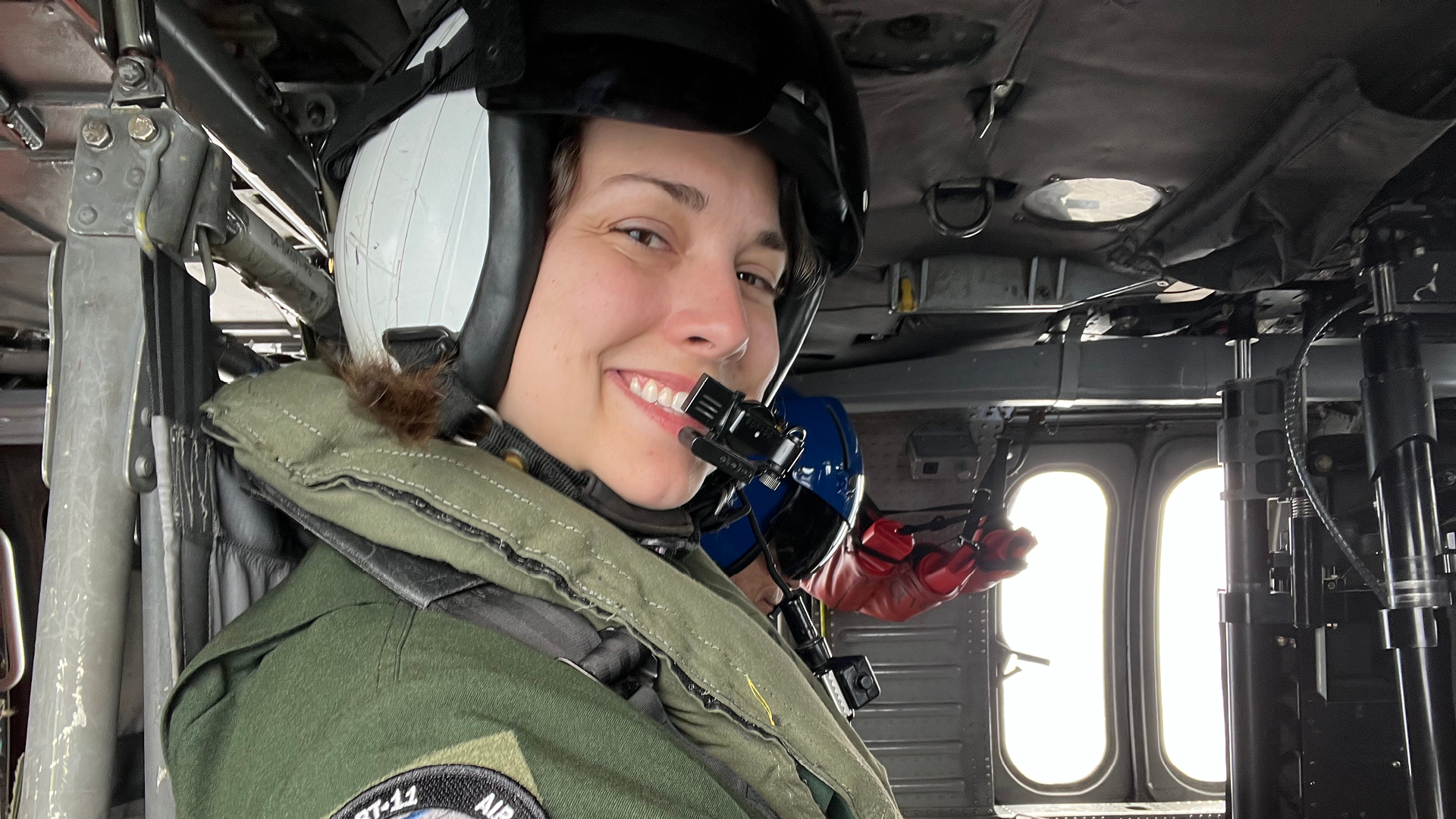
“I’m not watching all this history get made,” Emily Spreen says. “I’m helping to make it happen.”
Emily Spreen helps lead lunar innovations and spacecraft landing and recovery operations at Johnson Space Center
When Boilermakers begin to dream of what’s next — for themselves, for their communities, for the world — they build a brighter tomorrow together. Read the real stories that inspired our video and find out what happens when you dream bigger at Purdue.
Emily Spreen doesn’t have one of the most interesting roles in aerospace — she has two.
At NASA’s Johnson Space Center, she’s an engineer helping humans return to the moon. She also leads a team positioning the recovery forces that retrieve a crew and spacecraft following their return to Earth and splashdown in the ocean.
It all started in high school, when Spreen and her father took a spur-of-the-moment trip to see the final launch of the space shuttle Discovery from NASA’s Kennedy Space Center.
“When I saw the launch, I knew I wanted to be a part of it,” she says. “I had no idea how yet, but I knew that was it.”
Setting the bar high
Spreen began her college career studying engineering and pursuing opportunities that brought her closer to spaceflight. Early internships at NASA’s Goddard Space Flight Center and Langley Research Center gave her hands-on experience and confirmed she was on the right path.
She started at the University of Maryland, getting in-state tuition with the Academic Common Market program. After earning the NASA Aeronautics Scholarship, she transferred to Purdue — a place where she could fully immerse herself in space-focused research.
As soon as I got to Purdue, I felt like I found where I belonged.
Emily Spreen
BS aeronautical and astronautical engineering ’15, MS astrodynamics and space applications ’17, PhD astrodynamics and space applications ’21
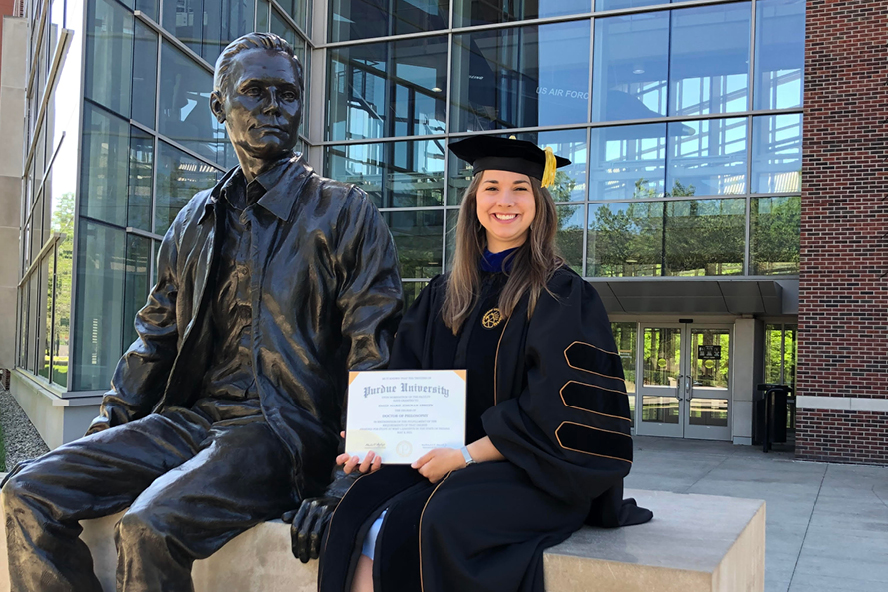
“As soon as I got to Purdue, I felt like I found where I belonged,” she says. “I loved it so much that I just didn’t leave.”
West Lafayette reminded her of the small towns she grew up around in South Carolina. She made connections easily and enjoyed the most iconic campus experiences — like completing a fountain run with one of her best friends and taking photos beside the statue of Neil Armstrong after each graduation ceremony.
She completed her bachelor’s degree in aerospace engineering in 2015, then stayed to pursue both a master’s and doctorate in astrodynamics and space applications. The field focuses on how spacecraft move. Engineers in astrodynamics can plan missions, design trajectories and determine how to safely send humans and technology through space.
A course with Kathleen Howell, the Hsu Lo Distinguished Professor of Aeronautics and Astronautics, helped solidify Spreen’s direction. Spreen joined Howell’s research group, diving deeper into orbit design and mission planning, which she first experienced during her Goddard internship. The community she found at Purdue also played a defining role. Surrounded by Boilermakers who shared her ambitions, she built friendships that continue today.
“We literally call it Purdue South here,” she says. “There are three Purdue PhDs from my research group in my office.”
Turning research into reality
While still in graduate school, Spreen interned at NASA’s Johnson Space Center. She later joined as a civil servant through the Pathways program, continuing her work while finishing her doctorate.
Today, she serves as an aerospace engineer contributing to some of NASA’s most ambitious human spaceflight initiatives. Her work includes studying the Near-Rectilinear Halo Orbit around the moon and developing lunar missions.
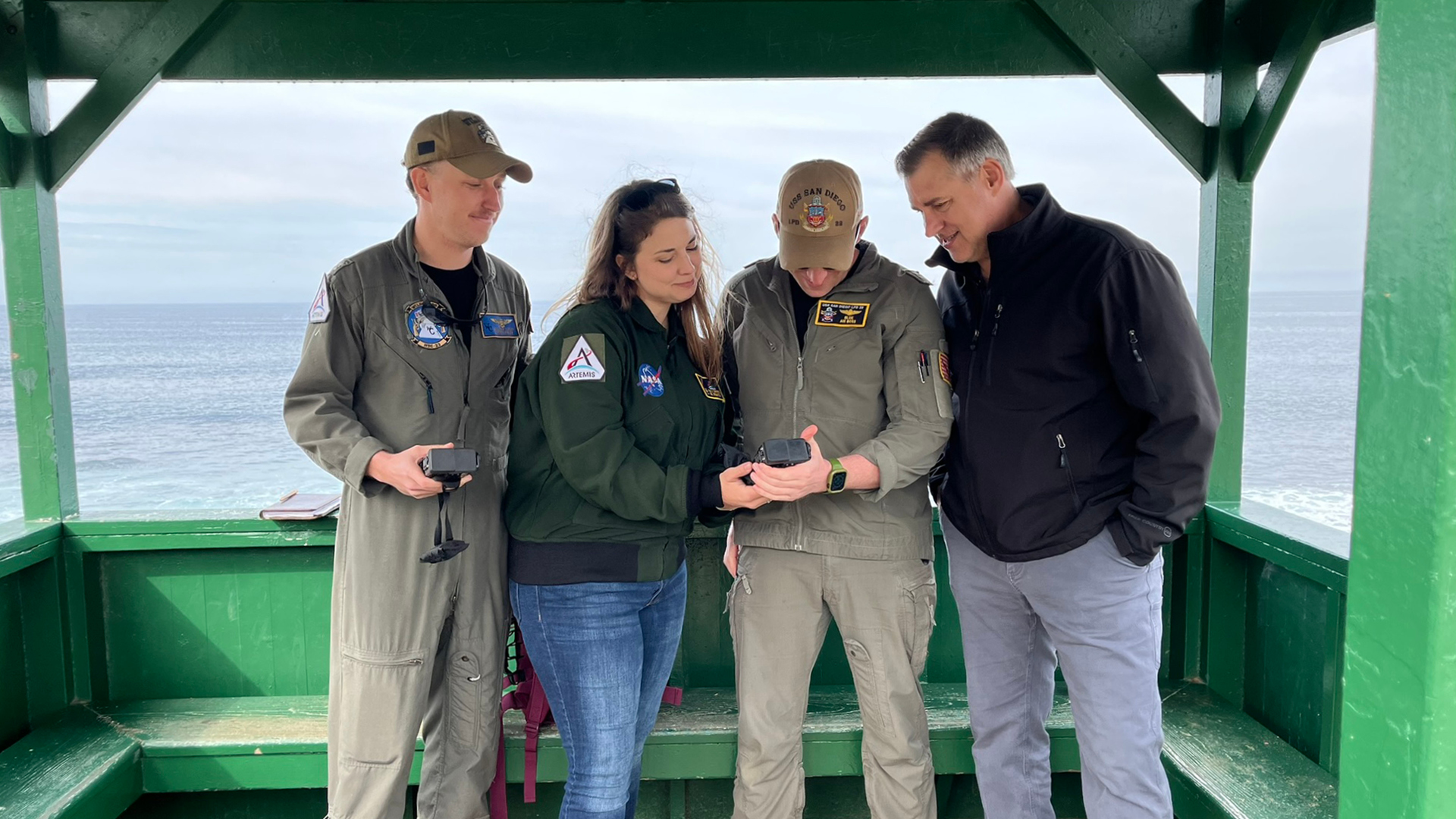
She also leads a team supporting landing and recovery operations. After astronauts return to Earth — like when Artemis II came back from its 10-day lunar flyby mission on April 10, 2026 — their spacecraft splashes down in the ocean. Spreen’s team predicts where parachutes and hardware will land, helping position recovery crews safely. The work is fast-paced, collaborative and deeply meaningful.
“I’m not watching all this history get made,” she says. “I’m helping to make it happen.”
Remembering her worth
Throughout her career, Spreen has learned that pursuing ambitious goals requires persistence — and self-advocacy.
Working in aerospace means tackling long timelines and complex challenges. Speaking up, asking for opportunities and stepping into new roles helped her expand her impact.
“You’re not going to make as much progress unless you say, ‘I want to do that. I want to be a part of this. I’m smart enough for this,’” she says.
She can think of endless examples from her education and career. Step one to becoming a subsystem lead on the landing and recovery team? A conversation with her manager where she said she wanted to work on the U.S. Navy ship that’s used on the mission.
“It wasn’t like someone said, ‘Emily, do you want this job?’” she says. “When you’re brave enough to speak up, you open a lot of doors for yourself, and you help move the mission forward.”
Looking beyond Earth
Today, Spreen works at the center of missions that will define the next era of human spaceflight. Whether she’s planning lunar orbits or helping guide recovery teams, her work contributes directly to getting astronauts safely to their destination and back again.
The same excitement she felt watching Discovery’s final launch still drives her. Only now, she’s part of the workforce making liftoff possible.
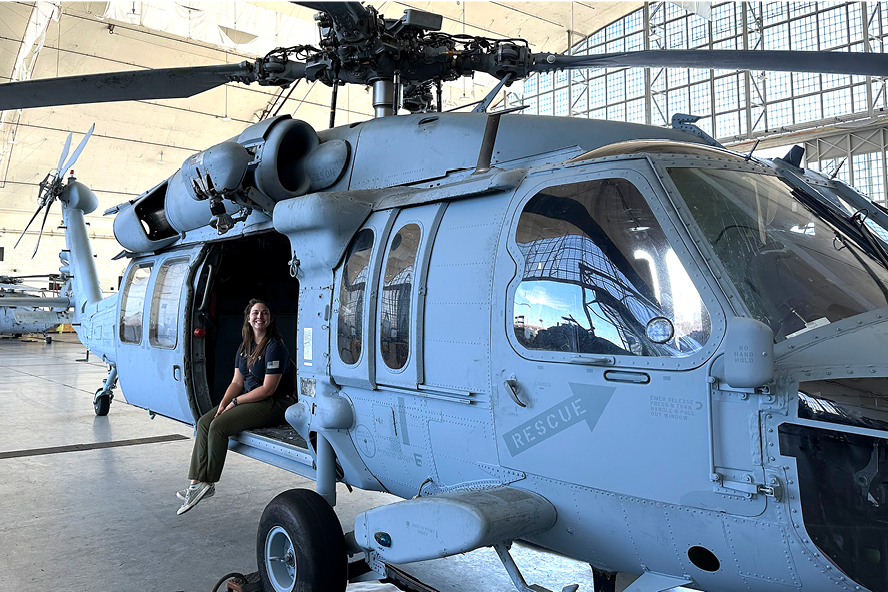
“I love what I do,” she says. “We’re at the forefront and pushing it further than what seems possible. I’m living my dream.”
We’re at the forefront and pushing it further than what seems possible. I’m living my dream.
Emily Spreen
BS aeronautical and astronautical engineering ’15, MS astrodynamics and space applications ’17, PhD astrodynamics and space applications ’21