Building America: Purdue’s legacy in our nation’s infrastructure
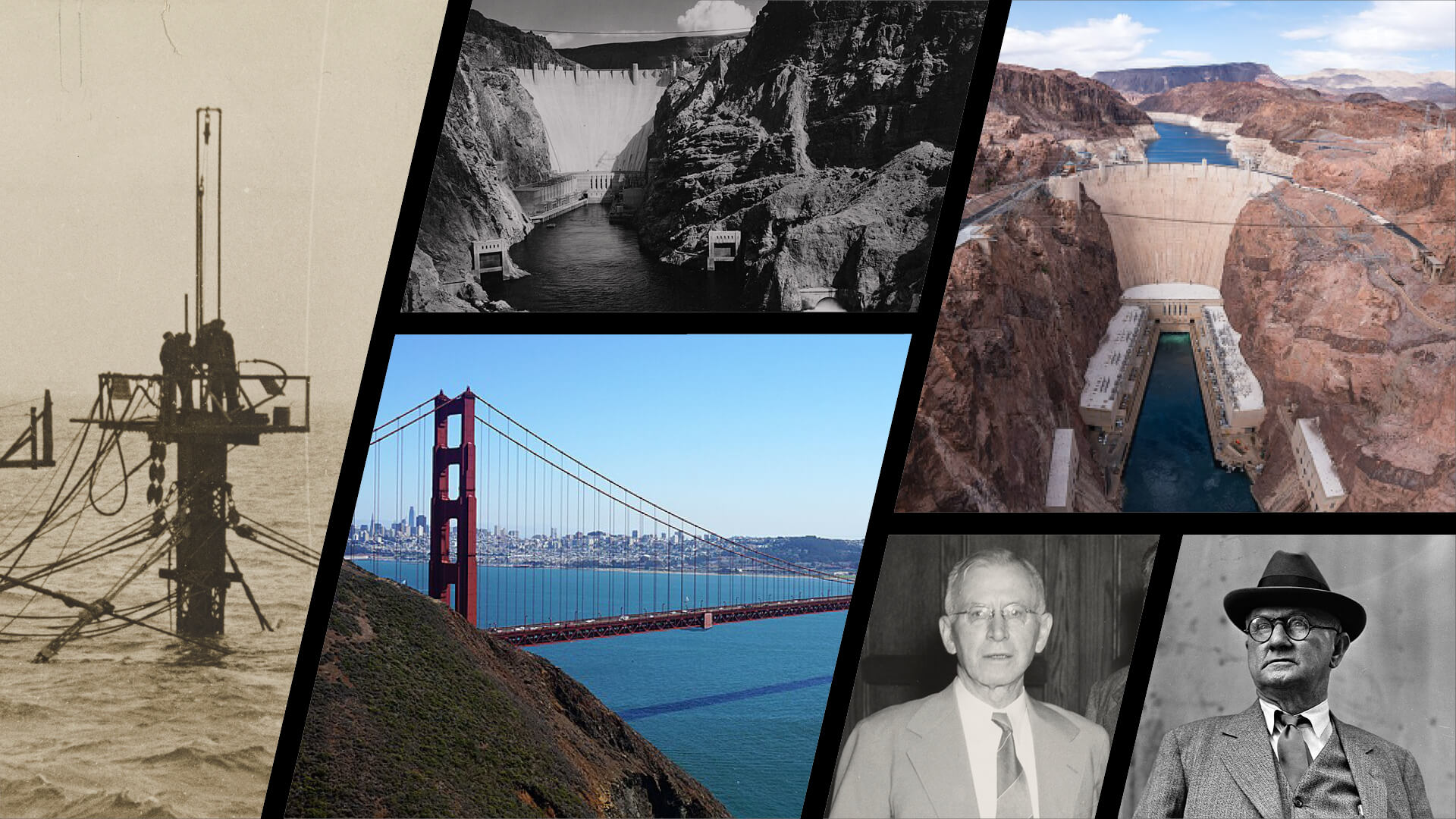
Boilermakers shaped iconic projects like the Hoover Dam and Golden Gate Bridge. Today’s students are creating what’s next.
Just as America’s population has steadily grown throughout its 250 years, so too has the need for roads, bridges and dams — anything to help move and connect.
Generations of Boilermakers have transformed America’s infrastructure. They’ve designed and built some of world’s greatest engineering marvels, including the Golden Gate Bridge and Hoover Dam. Today’s efforts safeguard achievements and make the future even stronger.
“There’s increasing complexity in all types of engineering, and demands are especially high in civil engineering,” says Paul Giroux, a professor in the Lyles School of Civil and Construction Engineering. “At Purdue, there’s always been a strong focus on teaching theory and practice. To meet emerging needs, Purdue has also been a leader in innovation.”
Unique, hands-on training
Purdue’s Steel Bridge Research, Inspection, Training, and Engineering (S-BRITE) Center hosts the next generation of bridge engineers and inspectors.
S-BRITE developed directly from the transportation industry’s need for a better-trained workforce. Director Robert Connor is Purdue’s Jack and Kay Hockema Professor in Civil Engineering and the director of S-BRITE and the Center for Aging Infrastructure. His conversations with the Indiana Department of Transportation spurred action — after cracking in steel welds closed a bridge spanning the Ohio River, something had to change.
Connor helped create S-BRITE’s Bridge Component Gallery, a multiacre site featuring dozens of actual steel-bridge structures and components that are available for hands-on educational and training purposes.
“Tactile learners need something beyond a PowerPoint,” Connor says. “Pictures of damage don’t show well on a slide. What I wanted were real components with real problems.”
When students can physically approach something like corrosion, noticing the way it looks and feels in reality, they’ll be better equipped to identify these issues as professionals. The gallery has examples of damages as well as components that demonstrate a sound structure.
“When people come to the gallery — whether they’re students, visiting lecturers or industry professionals — they say, ‘I want to be a part of this,’” Connor says. “It’s one of a kind.”
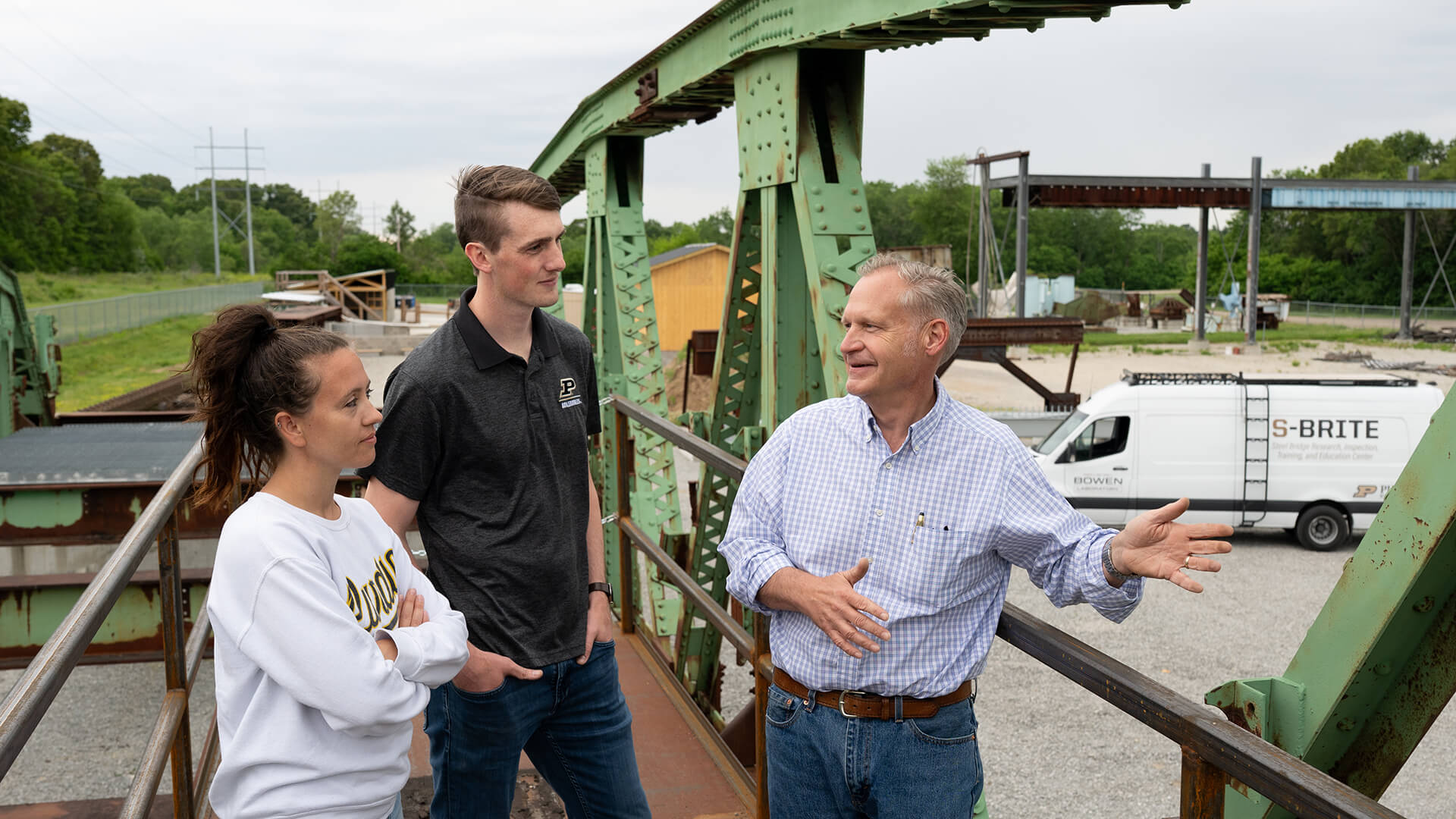
Training doesn’t stop in Indiana, or at the physical site. S-BRITE spans the country. It’s the best way to solve problems that people in every state are experiencing. National partners look to Purdue to help with their problems; S-BRITE experts are available for on-call support.
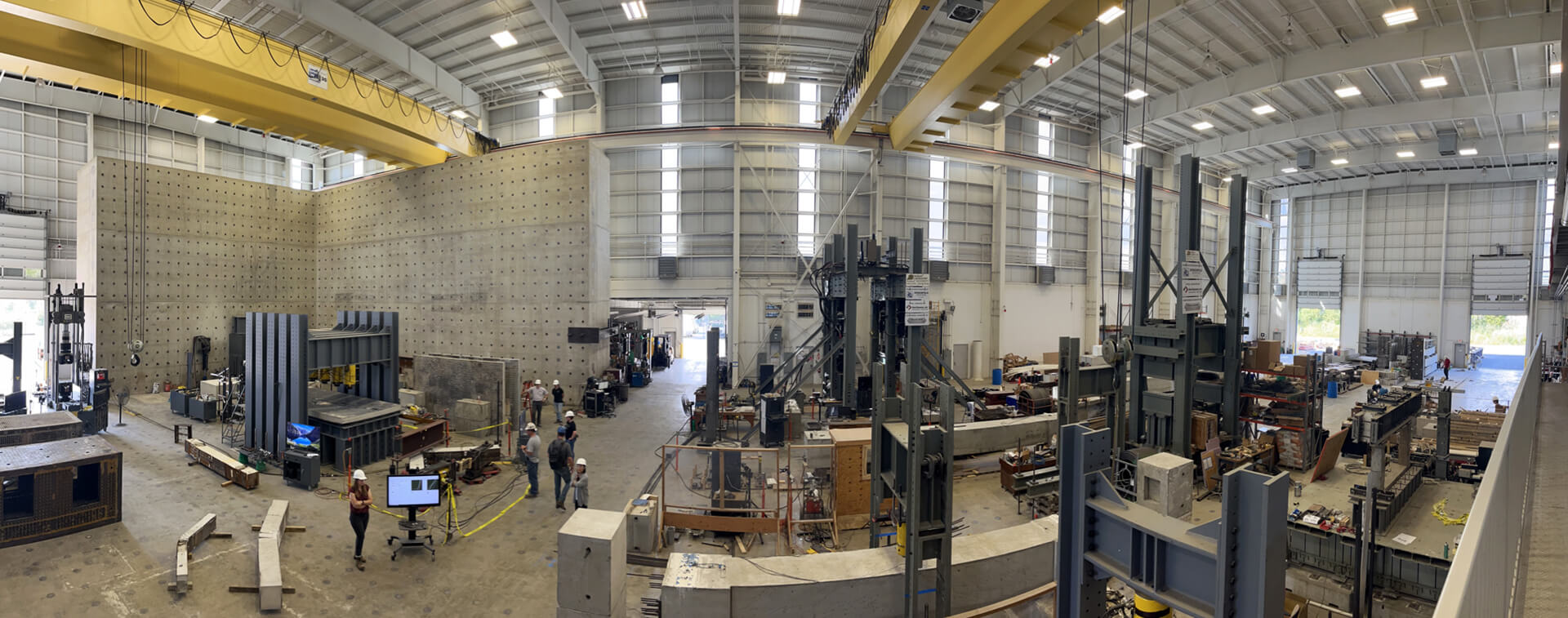
Connor has also influenced the advancement of the Robert L. and Terry L. Bowen Laboratory for Large-Scale Civil Engineering Research, a 66,000-square-foot facility that’s reimagining the way students learn about structural models and elements.
The work happening inside the center demonstrates that infrastructure is not only about maintaining what already exists. It’s about imagining what comes next — a tradition carried forward from the earliest days of Purdue’s engineering program.
The minds behind monumental projects
Civil engineering professor Giroux, who has almost 50 years of industry experience with Kiewit, is nationally recognized for his expertise on America’s most iconic projects. He’s had leadership and speaking roles at anniversary events like the Brooklyn Bridge 125th, the Hoover Dam 75th, the Golden Gate Bridge 75th, the Panama Canal 100th, the Grand Coulee Dam 75th and the Transcontinental Railroad 150th.
At Purdue, Giroux teaches CE 59700 (The Great Projects: Essential Lessons From the Great Builders), which examines major events in civil engineering to understand each case’s technical, professional and personal lessons. It helps demonstrate how impactful and holistic solutions are found.
That history includes American landmarks with distinct Boilermaker connections.
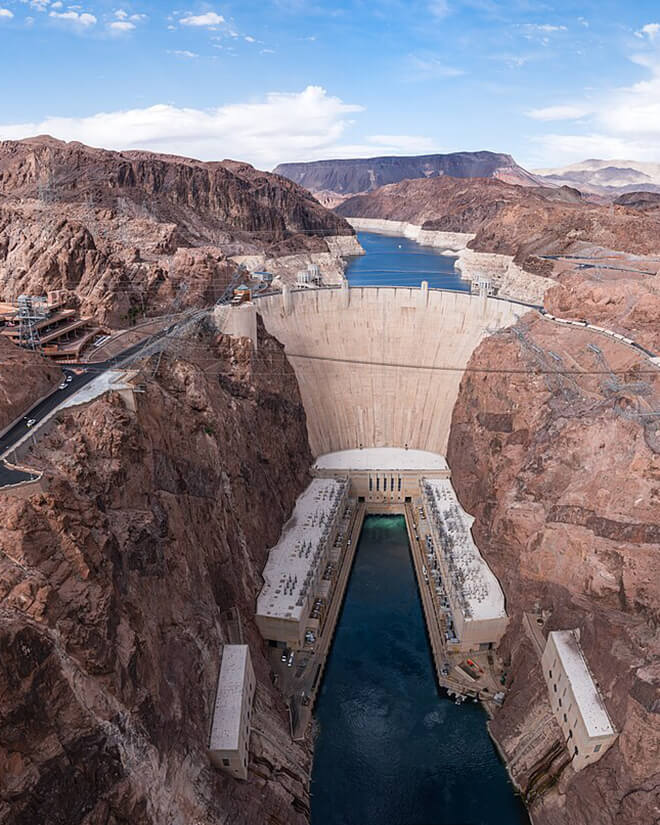
Purdue alum Elwood Mead (BS agriculture 1882, MS civil engineering 1888, HDR engineering 1902) was the chief engineer for the Hoover Dam, constructed between 1931 and 1936. Built during the Great Depression, the dam transformed water management and power generation throughout the American Southwest, demonstrating how infrastructure can drive economic growth and improve quality of life for millions.
Lake Mead, the reservoir formed by the Hoover Dam, was named in his honor.
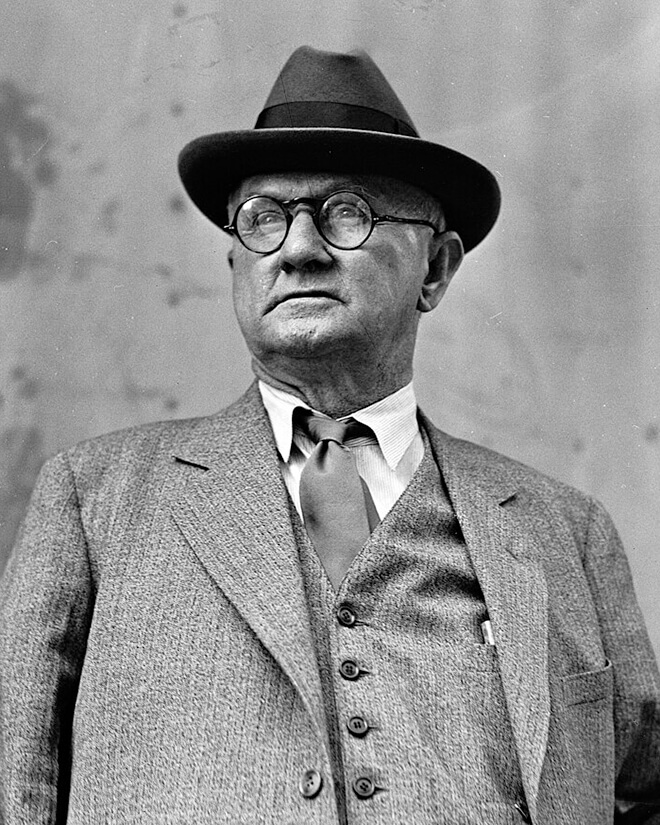
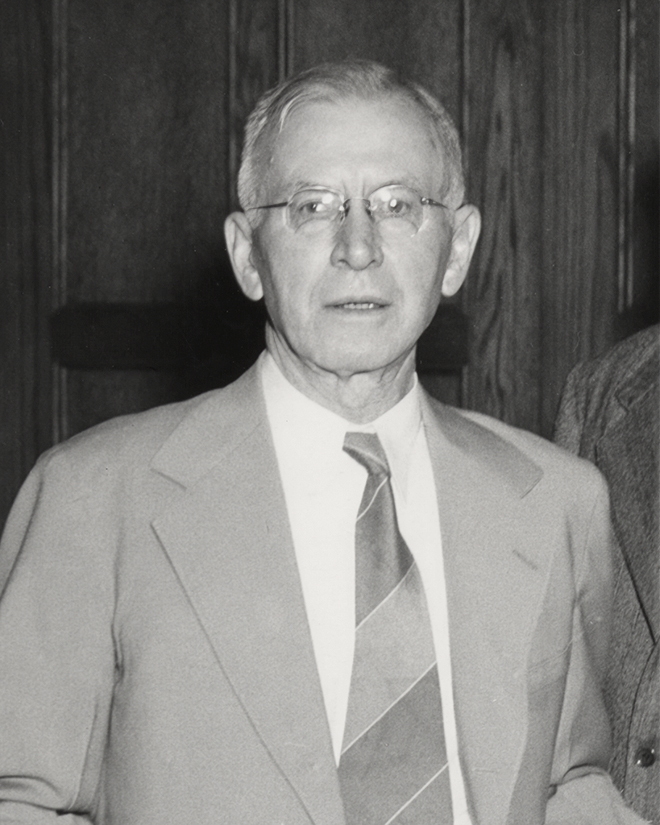
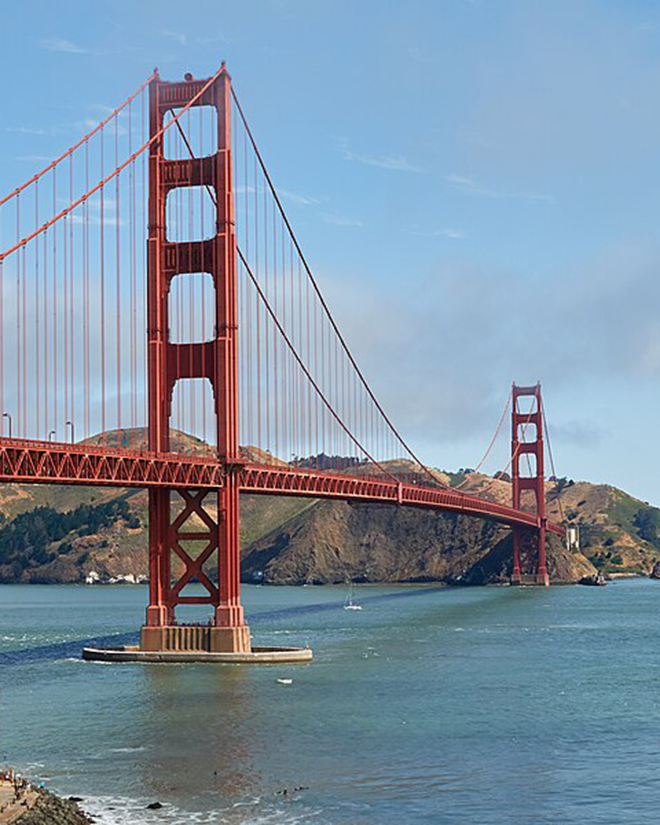
In the same era, Charles Alton Ellis played an integral role in designing the Golden Gate Bridge, which was named one of the “Seven Wonders of the Modern World” by the American Society of Civil Engineers in 1994. He made thousands of calculations, wrote contracts and supervised siting for the bridge, which opened to the public in 1937.
Despite his significant contributions, Ellis went largely unrecognized for decades. In 1931, after the bridge design has been finalized, Chief Engineer Joseph Strauss removed him from the project amid ongoing professional disagreements and mutual frustration. However, during the bridge’s 75th anniversary celebration that Giroux chaired, the American Society of Civil Engineers placed a plaque at the bridge honoring Ellis’ structural design work.
Ellis joined the Purdue faculty in 1934 as a professor of structural engineering and remained here until his retirement in 1946.
“Civil engineering has a remarkable heritage with amazing stories,” Giroux says. “It’s gratifying for me to introduce young engineers to the past and help them prepare for what’s ahead of them.”
A future based on our foundation
As a land-grant institution founded to serve the public good, Purdue has prepared generations of engineers, builders and problem-solvers who transformed ambitious ideas into lasting structures.
Purdue’s curriculum is expanding to offer opportunities that haven’t been available in the U.S. until now. The Bridge Engineering Education Program includes new courses and seminars, as well as plans for a concentration, that will serve as a national model.
“These students will be the future leaders of the profession,” Giroux says.
Along with training structural engineers, Connor hopes to expand the program to help the inspection side of the industry, offering resources for technicians and people currently operating in the field. It would provide a clear path to certification and ensure that inspectors have the knowledge necessary to keep the public safe.
“It’s not only about the initial years,” Connor says. “We’re talking about continuing education. It serves everyone.
“We’ll get a call about a bridge that’s over 100 years old, followed by a call on bridge design that’s using new materials and methods that we use today. And we figure it all out.”