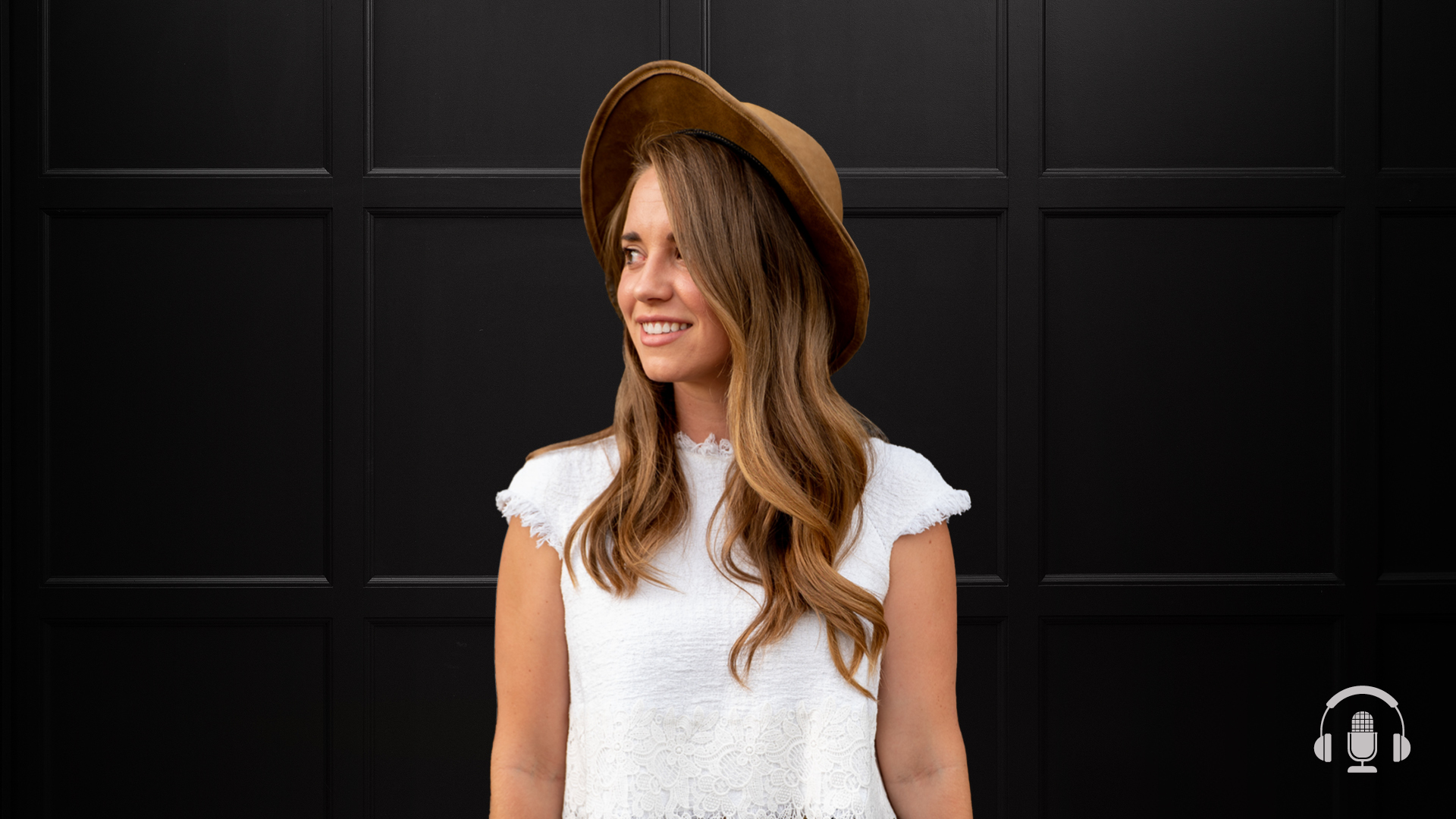
Episode 154: The Hobby Revival: Creativity, Nostalgia and Community
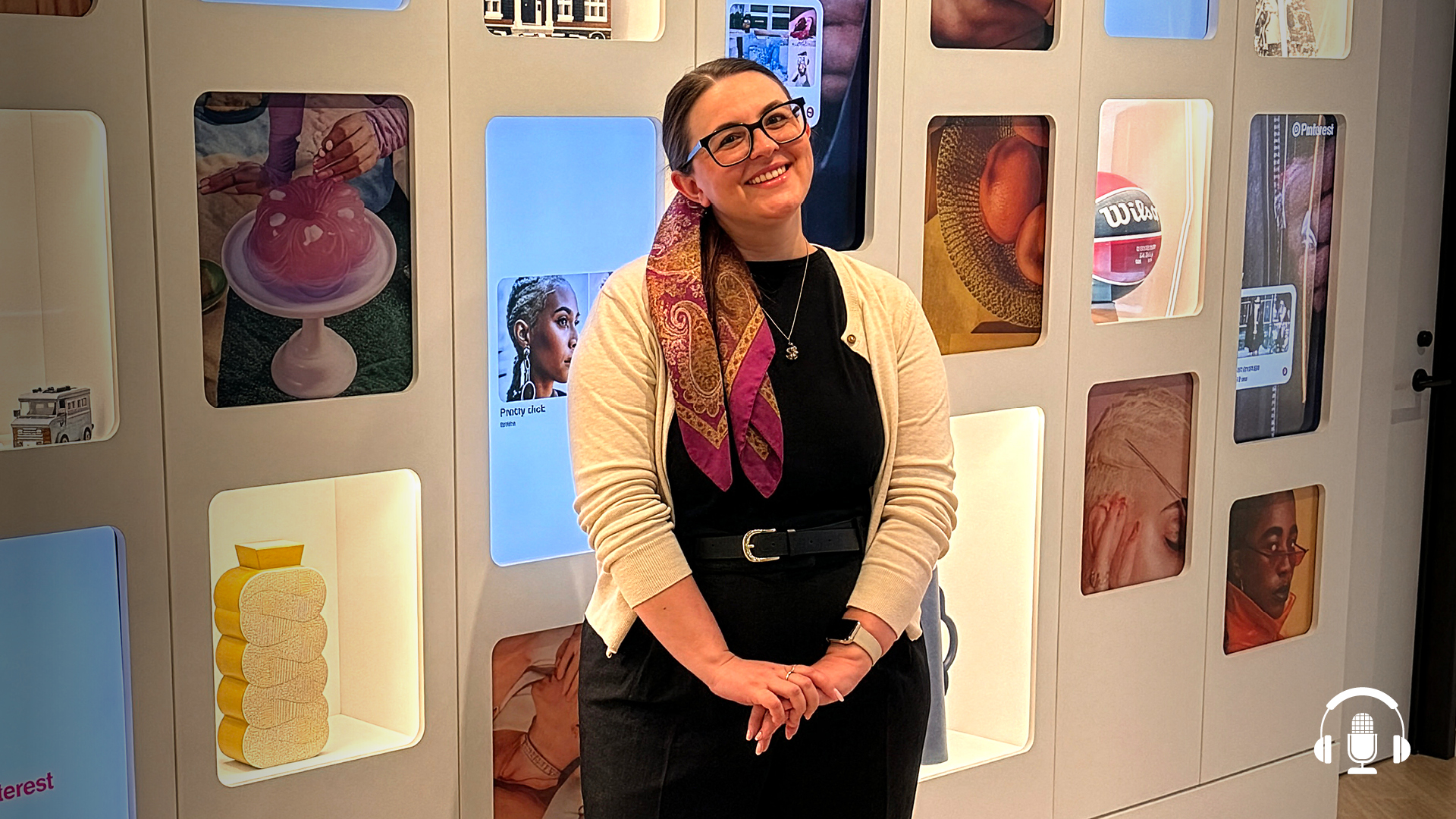
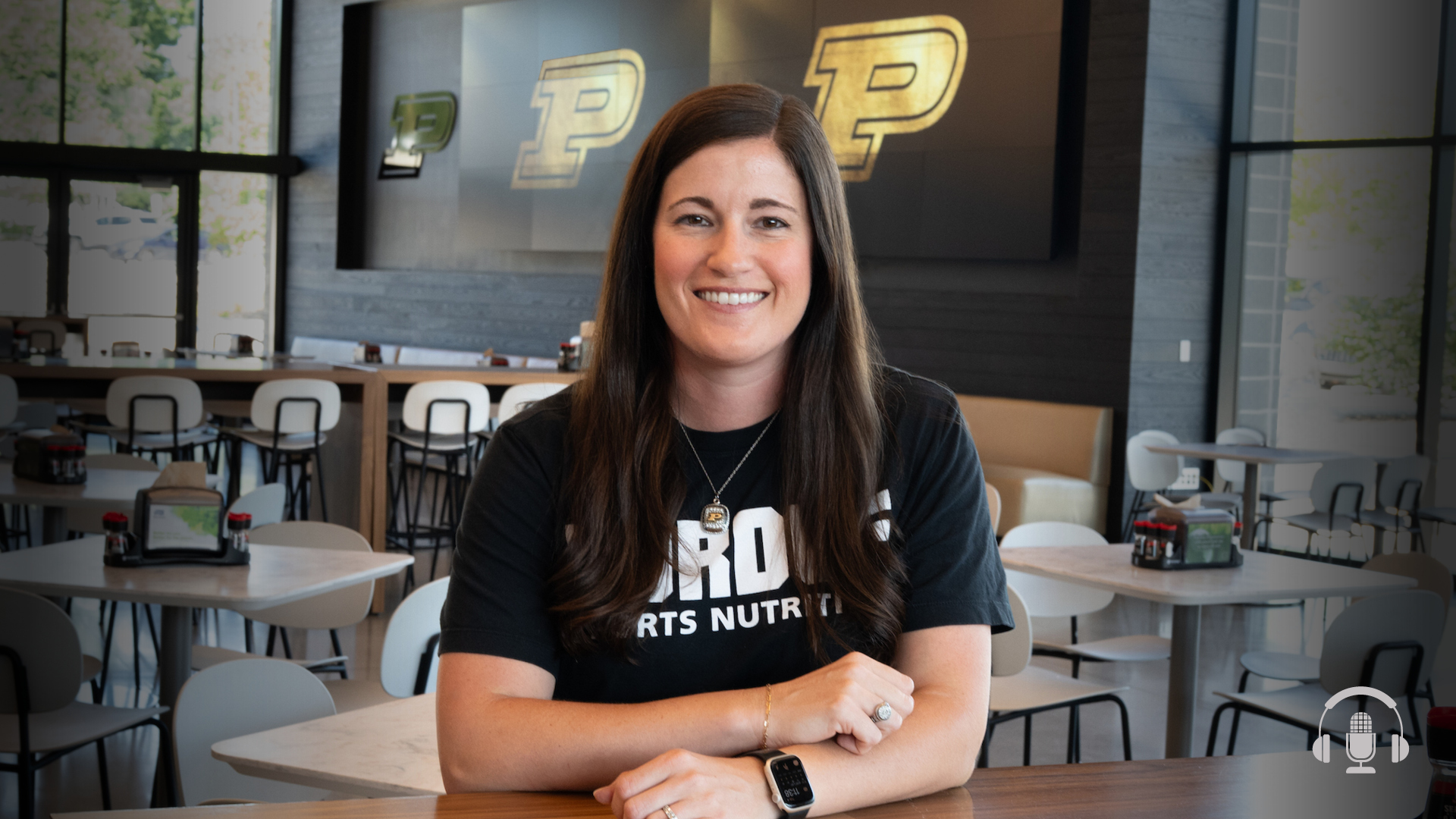
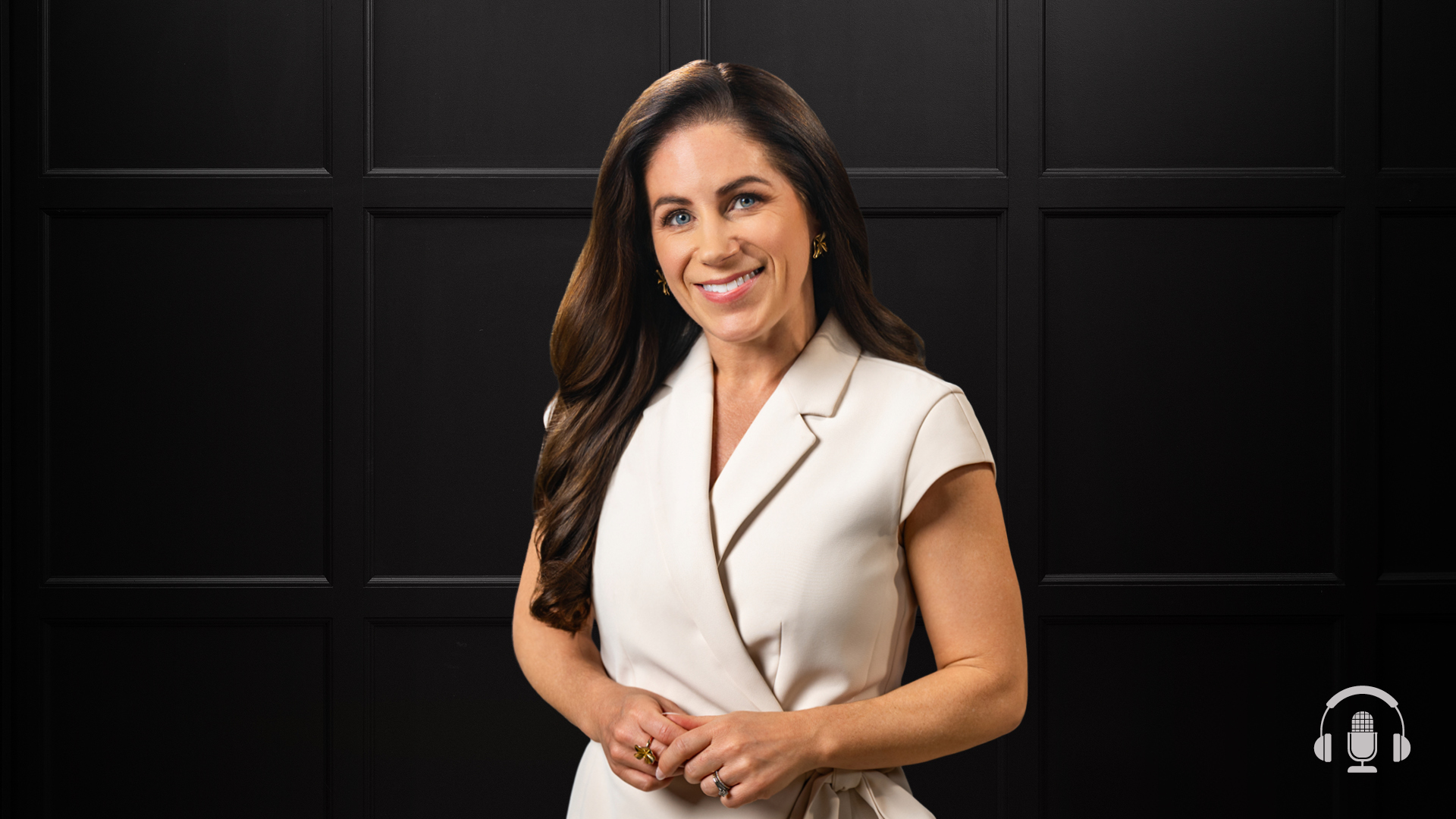
In this episode of “This Is Purdue,” we’re talking to Haley Larsen (PhD English ’21), story lead of marketing and measurement at Pinterest.
As a storytelling expert and creative strategist for a global visual engine and social media platform, Haley’s helping us dive into the fun, trending world of tactile hobbies — from knitting and pottery to mahjong and so much more!
Haley is also a proud Purdue alumna with a background in English literature and culture. She’ll unpack the factors behind the recent hobby revival — fueled by Gen Z — and how Pinterest is meeting this moment.
In this episode, you will:
- Learn more about how a pushback against hustle culture, a desire for connection and joy, and nostalgia for a prephone world are driving Gen Z’s interest in grandma-and-grandpa-core hobbies like crochet, scrapbooking and bird-watching.
- Hear more about Pinterest’s unique position as a major social platform that not only offers its users the ability to collect and curate visual inspiration but also encourages them to get offline to pursue their hobbies.
- Discover more about Haley’s favorite offline hobbies, including pottery, and how they’re pushing her outside of her creativity comfort zone and helping her find community.
- Get insights into the paradox of online hobby trends, including how this points to a broader human pattern and why engaging with online communities can help you develop your offline hobbies.
- Find out more about how slow, manual hobbies can improve your well-being and why the “friction” that comes with process-based activities is vital for self-reflection and self-development.
- Tune in for key takeaways from Pinterest’s Hobbies Trend Report, and how the platform’s rich search data predicts top hobby trends for the year, including “Kitchen Witch,” “Home Cafe Engineering” and “Handmade Hacker.”
- Learn more about Haley’s role and day to day as a story lead at Pinterest and how her Purdue liberal arts training set her up for career success with meaningful and measurable skills.
You don’t want to miss this episode with a Boilermaker and creative who’s helping to inspire hobby enthusiasts across the world!
- Watch Haley’s full video interview on YouTube
- Learn more about Haley
- Learn more about Pinterest
- Learn more about Pinterest’s 2026 Hobbies Trend Report
- Learn more about Pinterest’s latest brand campaign
- Learn more about Pinterest’s 2026 color forecast
- Learn more about Haley’s Substack
- Learn more about the Department of English at Purdue
- Learn more about Purdue’s College of Liberal Arts
Podcast Transcript
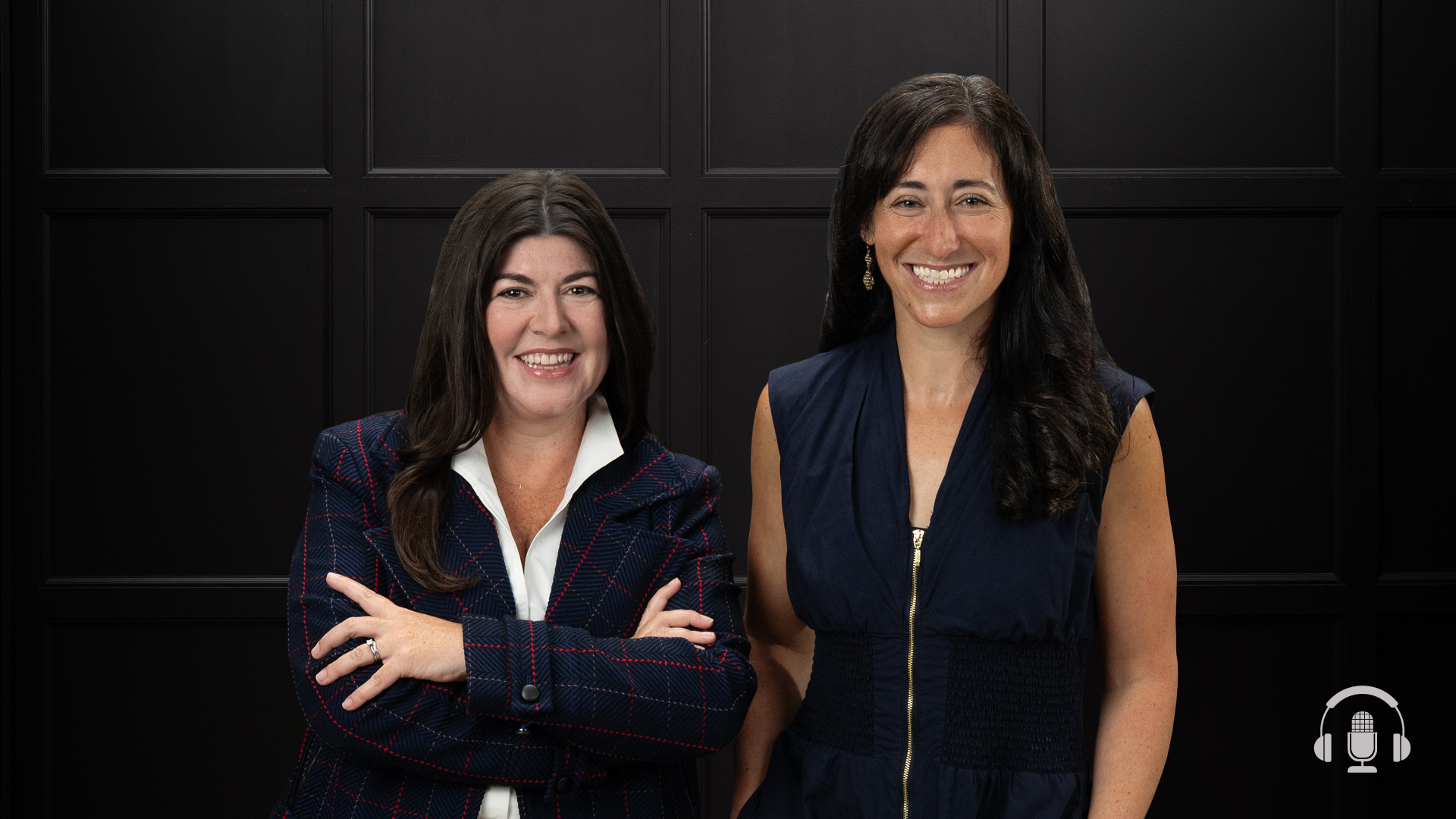
Welcome to “This is Purdue,” the university’s official award winning podcast. I’m Kate Young, your host and a proud Purdue alumna. “This is Purdue” is all about sharing big ideas that spark broad interest and get people talking.
We’re passionate about highlighting notable boilermakers, who are powering innovation and working together to solve today’s toughest challenges. Tune in to each episode as we have engaging conversations with Purdue alumni, faculty, researchers, coaches, and more, who are inspiring change through small steps every day across timely topics like sports, well-being, emerging tech, and life changing research. Join us as we discover how these boilermakers are taking their next giant leap.
This whole concept of best reason to go online is to find a reason to get offline. I think it really acts like a form of permission or an invitation to people. We’re hearing people say like, I don’t want to spend my life online.
My screen time is out of control. I want to get offline. Hobbies are bringing me joy. I’m inspired to try new things.
In this episode of “This is Purdue,” we’re talking to Haley Larsen, story lead of marketing and measurement at Pinterest, a global visual search engine and social media platform where users can discover, save, and share ideas. Haley received her PhD in English from Purdue in 2021, and has a robust background in English literature and culture.
In today’s episode, we’re going to dive into the recent revival of hobbies, how hobbies can boost community building and impact our overall well-being, and how to find the right hobby that fills your cup? Instead of feeling like it’s just another task on to-do list, whether it’s crocheting or sourdough baking, pickleball or astrology or cooking, or popular games like mahjong, or maybe entirely new hobbies and inspirations you haven’t even thought about before.
We’ll be discussing Pinterest’s latest campaign, which centers around the notion of the best thing you can find online is a reason to get offline. Plus, Haley talks about why the younger generations, especially, are eager to dig into hobbies that bring them joy and fulfillment. So let’s get to it. Here’s my conversation with Haley.
Hi, Haley. Thank you so much for joining us on “This is Purdue.” You work for Pinterest. You’re the story lead of marketing and measurement there.
And Pinterest is a global visual search engine and social media platform. And we’re just so excited to dive into the topic. That’s kind of been hot in the news lately. It’s all about hobbies, so no one better to speak to than a boilermaker who works at Pinterest.
Yeah, I am so excited to be here. Thank you so much for having me.
So there’s been a recent revival, I would say, of hobbies over the past couple years, and we’re shifting away from this hustle culture, and people want to go back to doing things with their hands, putting away their phones. And a CNBC article from early 2026 talked about people going chronically offline and pursuing these analog, in-person hobbies. Why do you think that is?
It’s such a great question, and it’s absolutely a trend that we are seeing. I think we are in a really fascinating moment where the first generation that really grew up online is getting curious about the generations that didn’t. What did they do with their time? What did they do if they didn’t have a phone in their hand? How did you live your life in a pre-phone world?
And so I think we’re seeing these generations that have grown up with online as kind of a default way of being in the world. Getting really curious about offline doesn’t necessarily just mean I’m turning off my phone. I don’t even know that many people who turn their phones off.
We just assume that our phones are going to be on and that we are– I think, there’s a lot of interest in these questions around, like, why am I accessible all the time? Why am I online all the time? What does it actually mean to get offline? What does that feel like?
And so I really see it as this very authentic curiosity that questions a kind of existential thing about existing in the world. What would it mean if I wasn’t online all the time? And hobbies, especially these kind of analog, manual, process-based hobbies, are really intriguing to people because they get you offline and whether it’s knitting or sourdough or gardening or scrapbooking, whatever it is that you’re going to do, it really kind of requires you to put the devices down and get immersed in something else.
And so I think we’re seeing this trend and this push back against hustle culture, really coming from this authentic curiosity of I never got to know what the world felt like without this online dimension and I’m really curious about it and I want to see what it feels like. And hobbies feel like a really natural place to go explore that.
It is quite ironic. The fact that this is almost a TikTok trend among younger generations saying, “I want to get off my phone.” How do you think Pinterest is meeting this cultural moment right now?
The biggest way is just in what we’re saying to consumers right now, which is the best thing you can find online is a reason to get offline. And really, this idea that Pinterest can give you that reason to get offline. We’re a visual search and discovery platform, which basically means that people come here to find inspiration, that then gives them an off ramp to go do stuff.
So if I’m browsing on the platform I’m experiencing, we like to think of this as a more positive space online. Pinterest has never been the app that I feel like I need to detox from on my phone. If I’m cutting myself off from access to certain apps, Pinterest never really pops up in my mind as something I need to limit my time on.
We really feel like the platform is this positive space where you’re not coming for likes, you’re not coming from that kind of external or social validation piece, you’re coming to really just explore, discover, curate your taste. I really feel like my own Pinterest has become like a museum of myself. I’m curating and I’m collecting things, and I can look back at boards that I made when I was a graduate student, when I was a college student, and how different and how the same I am as a person? My visual identity and what I’m drawn to evolves over time.
Pinterest meets this moment because it really gives people the space to organize their ideas and explore new things, and then decide and feel kind empowered to say, “I’m going to curate this over time, I’m going to add to it, I’m going to take off from it, I’m going to grow with it.” And so Pinterest is really designed in every way from that kind of visual search experience to this curation potential to help you dream, make decisions about those dreams and then get offline and go do it and make your dreams happen.
The best reason to get online is to find a reason to go offline. That’s exactly how Pinterest works. It’s like, come on, get inspired and then go do it. We want you to go do it.
I’m an avid Pinterest user. I love that you hit on OK, yes, all of my probably wedding boards from when I was 21 don’t quite match the aesthetic of when I actually got married. But there’s so much a Pinterest that is still a reflection of me, even when I look back at my old boards. That’s such a cool thing to think about. And then I love using Pinterest for travel.
When people talk about this kind of grandma and grandpa core trend crocheting, sourdough, knitting, mahjong is really big now. In my neighborhood there’s a group that plays.
Mine too. Yeah, it’s so fun.
Yeah, these tactical hobbies. Why do you think that these energize people?
That’s such a good question because I think we do see, there’s this fizzy, excited energy around a lot of these hobbies right now. I’ve had friends that have gotten into the most niche, weird hobby. They’re making their own paper. They’re learning how to weave baskets. They are bird watching.
I think there’s something about realizing that you are capable of making things, even if you’re not perfect at it, which I think is a big part of these hobbies, is really recognizing that you can be part of the world. Like going out to birdwatch. My backyard is so much more interesting than I thought it was, and I have to look up from my phone to really experience that. I might use an app on my phone to help me identify what bird that is?
But I think it’s energizing to realize that your curiosity pays out. If I’m going to go to mahjong club on Thursday night, or if I’m going to go in my backyard and try to figure out what are those plants growing along the fence line. Being curious and having that validated by actually going and then seeing how engaging, how fun, how interesting, how weird the world actually is? It’s just so much bigger than I think what we experience on our devices a lot of the time.
So the energy in part, I think, comes from some of the validation of I wondered about this thing. I was dreaming about this thing. Then I went and did it, and it was just as fun or difficult or strange as I thought it would be.
That’s like juicy. That’s good feelings. That’s an exciting experience to have.
Do you have any hobbies that you enjoy partaking in, Haley?
I do, and I feel. Speaking of validation, I love working at Pinterest, where it’s like we’re so interested in hobbies and creativity. I took a pottery class a few years ago.
I always wanted to in school and I just never did. I never made it a priority and I ended up taking a class at a local studio. Then I took another class at a different studio and learned how to throw clay on a wheel and make my own pots and make my own mugs, and it really helped me rethink my own personal definitions of creativity.
We’ll talk about my academic background, but I’m a deeply analytical person and I spend a lot of time intellectualizing. I’m in my head a lot. My work is happening in my head a lot, and so I was really craving more time, like in my body.
And I got to be honest, I don’t love working out. Like going to the gym was not a break. It was just more work. So I was really craving something that was like, how am I going to be creative? I don’t think of myself as very artistic or at the time I didn’t.
And so once I started playing with clay, which then got me to start sketching what I wanted to make on the wheel, it just really opened up, just how limited I had been with myself and thinking, oh, I’m not creative, I’m not cool enough, or I’m not good enough to go try this thing. And just kind of forcing myself like, just go take a class, even if it goes terribly. You can go one time. And I fell in love with it the first time. I’m still pretty bad at it.
Again, just so validating to say I was curious about this thing. I was hoping it would help me disconnect with my online life and all this kind of intellectual work. I wanted to plug into something different. I wanted to be more creative, and it worked.
And then it honestly acts like a little bit of a gateway drug because like I said, now I’m like sketching and painting. Gotten really interested in color theory, and what colors do I choose to paint the things that I make? You tap on one little area and then it just opens up this whole world.
Clay is a big one for me. Reading, obviously, love to read. Anything that just helps me put everything down, turn this off a little bit and just be more present with myself, my body, my energy. Hobbies are magic for that.
And that probably helps create community for you too. You’ve probably met people. You have to go out of your house and attend this class. That can be intimidating to some people.
Oh yeah, I’m an introvert. That’s a very comfortable thing for me to identify as and I typically find a lot of community building. I kind of have to force myself into those situations, but I found that having the hobby creates this intermediary. I’m there to throw clay. I’m there to be creative.
And then, oh, my gosh, there’s this sweet community around me, and they are focused on their clay and they’re focused on what they’re making, their goals, their beautiful, strange art. I mean, it’s so inspiring, even just to go to the studio and see what everybody else is doing. I really do feel like hobbies offer an intermediary that kind of softens some of the anxiety of socializing and of putting yourself out there because it gives you something else to focus on rather than thinking about like, I’m always like, what am I doing with my hands?
I’m in front of other people. Do I sound weird? Am I showing up in the right way?
All that goes away when I’m like, I’m here to throw a mug and somebody next to me is making a vase. Somebody across the way is making a birdbath. It just helps channel all that creative energy in the right direction, so that I can really connect and enjoy.
You talked about at the beginning this digital fatigue and Gen Z’s grew up on their phone, whereas millennials didn’t. Why do you think these younger generations are craving this slower manual processes with crafts and other tactile hobbies? They’re still balancing, of course, this instant digital gratification, but any insight into that?
I mean, I think the key word is balance. I think Gen Z and also Gen Alpha younger generations are really interested in the tactile. My husband collects and uses typewriters.
My nieces and nephews, they’re 2 to 14 years old, 18 years old. They come over to our house and they just want to touch the typewriters. They want to try them. They have lots of questions like, so you just put paper in it? Where does the ink come from?
And like, it really makes them start thinking about, for them a lot of their experiences with creativity are digitally mediated. And so when they come over to our house and there’s a clay wheel and there’s typewriters and there’s art supplies all over the place, I think there really is this interest and curiosity, that kind of reveals the mechanics of this stuff to you. Like my nephew asking, “Where does the ink come from?”
You never really think about that on a computer. You’re not really thinking, and most of us don’t even print stuff anymore. So to suddenly have a tangible. I wrote a thing and now I’m holding it. That seems to blow their minds a little bit.
Screens and digital interfaces, I think about this a lot, they are smooth. The texture of them, they’re smooth. But then all the experiences that we have on them are optimized. They are smooth. They are frictionless.
A lot of user experience design thinks about how to make experiences easier, more consumable, more doable online. And I think you can really only enjoy so much frictionless life before you’re like, I want some friction. And we saw friction maxing was trending earlier this year.
This idea of I want friction, I want challenge, I want something that’s difficult, and so I really don’t think of it as a coincidence at all. It’s all coming from this same root place of this curiosity and this interest of making things with your hands, doing things with your hands, holding the things you make. Coming from a liberal arts background and a liberal arts education, it’s so human to recognize that good stories come out of friction.
Stories come from conflict and tension and things happening, even just at the basic level, like, Cinderella, loses her slipper, Robinson Crusoe, gets stuck on an island, Dr. Frankenstein makes this creature and then doesn’t like the creature. That’s big friction, and that’s where the stories get interesting. What’s going to happen next.
I think it’s really human to respond to and be very curious about friction and tension and challenge, because that’s where experience comes from. That’s where you want to push and that’s where you grow. And so these younger generations saying like, “Hey, thanks for making everything so smooth and easy for me.”
I think sometimes maybe it comes from boredom. Can something please be hard for me? Can something please not be personalized and optimized for me?
Going back to Clay, experiencing something like clay falling apart in your hands on the wheel. I’ve spent an hour trying to shape, and make something and then it just falls apart. That’s good friction.
I’m typing on a typewriter and I hit the wrong key. There’s no backspace. That’s cool friction.
It’s so human to be like, where’s the messy part. Where’s the experience part. That’s what you’re going to remember. That’s what’s going to be sticky for you.
People saying it’s too smooth. It’s too easy. I think a lot of these grandma and grandpa hobbies, these manual tactile processes, they’re really satisfying because they’re doing something for and with your brain that the smooth and the optimized just don’t do.
And with your pottery example, if it falls apart. Hey, I’m going to go back and do the class the next week or the next month and pick up where I left off. I love that having that friction. That’s a great point.
And speaking of stories, reading puzzling is having a moment. Last year, Barnes and Noble opened 60 new stores across 67 locations nationwide for the first time in decades. So what’s your advice for people who want to pick up those types of offline hobbies?
I love this question so much. We’ve seen headlines that are saying, the end of reading, reading is on the decline. But then you look at these micro trends, you look at these store openings and you see challenges, that dominant story we’re hearing. And it’s like there’s a lot of nuance in there.
And there’s a lot of reasons to believe people are reading new genres, or they’re having a puzzle party instead of going out for a drink. That’s super interesting. What you can boil it down to is what’s trending right now is curiosity. The underlying impulse is just a lot of curiosity about how we’re spending our time.
In terms of trying to pick up an offline hobby, or trying to plug into this feeling. My advice would be what it usually always is for anyone who’s looking for advice is, go to yourself and start with a free write. My writing teacher background is showing through there, but I love to set a weird timer like 11 minutes or 17 minutes, something that’s not going to rattle in your brain oh, 15 minutes. It means exactly this thing.
It’s like, set a weird timer, and then ask yourself, “What am I hoping to experience?” Am I looking for a community? Is that my dominant curiosity is like, what if I made new friends, or what if I found new people to connect with? Is your dominant curiosity, what do I think? And you want to really go deep with yourself, and you want to engage in some critical thinking or the friction of reading something really challenging.
Do you want to learn a specific skill or a new language? Do you want to make a mess is part of it like my life feels really tidy. I just want to do something messy and then you just write about it? I think you just ask yourself, what am I trying to get out of this offline experience that I’m craving?
And there will be at least one hobby for whatever reason you have. And all those reasons I’ve listed and hundreds more are very valid. Like what is the hobby for?
And then I think you’ll have some arrows pointing you in some directions. If you’re looking for community, that’s where it would be like we’ll go to a pottery class or go to the mahjong club.
Join the pickleball.
Oh my gosh, I love pickleball. But yeah, if it’s not about community, there’s going to be hobbies for you too. If maybe you want to get more in touch with yourself then, oh my gosh, try journaling or pick up a classic novel and try reading something outside of your normal bookshelf.
Curiosity is what’s trending. Get curious with yourself a little bit and give yourself some permission to be vulnerable, nobody’s got to read your freewrite. You can throw it away when you’re done. Just be curious and honest with yourself about why this appeals to you, and what’s kind of needling at you and making you want to try? That’s probably going to set you down a pretty authentic pathway to finding something new.
Another trend that’s popping up a lot is this return to nostalgia, especially, I feel like the ’90s era. How do we go back to that childlike joy and creativity? Why do you think this younger generation and even millennials are seeking that out again, of not having a phone and having all that curiosity and creativity?
So every year Pinterest puts out the Pinterest predicts trend report, and in 2026, we actually kind of saw this coming. One of the trends that we identified was throwback kid, which is all about childlike wonder, desire for tactile experiences. Very nostalgic. Just in the name throwback and throwback kid being really about vintage toys.
I’m seeing it on my own algorithms like people modding old video game consoles. So it’s like the millennial. I have a Nintendo 64 that I like still play, and I think part of it is millennials, and even like older Gen Z are parents now.
And so they kind of want to give their kids similar experiences they had feeling nostalgic about, well, these are the video games I played or these are the games I played. These are the things I wore and sharing that the ’90s is everywhere right now. And I think a big part of that is the impulse to share that and to have that throwback to what mattered to you as a kid and getting in touch with that and sharing it with a new generation.
And it really is so interesting that Gen Z seems really keen to understand it, like, they really want to know about it. And I love when I see a Gen Z creator posting about I bought my first corded phone. I’m just like, that is so cool that you care about that, and that you think that’s interesting and you wanted to try that. You wanted to know what it felt like to answer the phone in a different way. It’s such a cool curiosity.
They have nostalgia almost for a period of time that they didn’t live through.
Yeah, and I think that really speaks to the fact that nostalgia is definitely more of a feeling than an actuality. It’s like this yearning for a place that probably never existed, even for Millennials. It’s like we’re looking through a lot of rose colored glasses. And a lot of these nostalgic items or products or experiences I loved, like this cultural pushback when Phoebe Bridgers was doing the no phone concert.
Some people were like, “Oh, that is the coolest thing ever. I want to do that.” And other people were like, “Hey, hold on, I don’t want to put my phone down.” Don’t make me put my phone away.
I think there’s a lot of nostalgia for this moment of like winded phones not dictate the experience. I’m really curious about what that would have felt like. And millennials, it’s like we know, let us show you.
But then there’s this nostalgic almost like fantasy element of I want to try this for myself, and I want to access this for myself. I still don’t totally understand it, but I’m going to get a typewriter or I’m going to try to plug-in a corded phone. It’s so interesting.
Well, people are craving this return to nostalgia, offline hobbies, et cetera, a lot of stuff is still driven by what we see on our social media timelines. What do you make of this paradox? How does it impact your work at Pinterest too?
It’s a good question because it is like the paradox at the heart of all these trends is like they happen online. For me, what I really like about that is we’ve always lived in a social world. So whether those influences were coming to us because we were in like a packed beer hall and we saw something or we saw something in the hallway at school or we saw something at a party or we saw something on social media.
We’re always kind of collecting and I think curating, deciding what we hold on to deciding what we don’t pay attention to. We’re always kind of moving in that internal external exercise of being a person, shaping what matters to you? What your identity is? What you care about? What you don’t care about?
And so I think for a lot of people, some of these hobbies that they see online maybe echo things that they’ve seen in their lives, but they maybe didn’t know how to pay attention or they didn’t understand what went into that hobby because they saw someone in their family do it, for example, but they didn’t really know how to lean in or how to do it for themselves. And I think sometimes, again, like the online can help mediate that.
Oh, I never even thought of making my own holiday ornaments, or I never knew that this rice dish that my great grandmother used to make that my family loves. I didn’t know how easy it was to make. I found a recipe. I’m going to try it for myself.
And so I think for some people, they get the recipe from their family. Or they get the recipe card or they get the invitation to try something. But I think for other people, being online is another way to see what people are making and creating and doing and sometimes offers you a broader context than what you might have access to in your immediate community or family unit or region. And being online is also full of communities.
There’s so many communities online. So I think all of this just kind of suggests the same human pattern, which is like we want connection. We’re very creative. We’re very curious. Where am I getting my inputs from?
And then what are my outputs look like. That sounds a little corporate. What I’m taking in, what I’m getting inspired by. The online can be such a rich place to find that inspiration.
Increasingly, I think what I do with that, people want it to happen offline. They want to have that experience offline.
And then I think some people want to celebrate that they had it. And so they share it online. And I think creates this loop for me. I think what we’re seeing is offline is becoming a really important part of the process again.
For a long time, I think the question has been like, how can we digitize pretty much everything? But like my mom loves, I think it’s called flosstube, which is people like knitting and crocheting online and talking about what they’re making, showing their works in progress, teaching new techniques. And she didn’t necessarily have access to that kind of community in her neighborhood.
And so for her, it’s like she’s getting better at stitching and it’s become such a big part of her life. And her favorite hobby next to pickleball. It’s offered her that community in a space where she maybe didn’t have it. But then now she’s also making that community for herself.
So I think there’s something really cool about this push to make the offline a bigger priority and bring it back into the conversation and say, “For a while we tried to say everything was online and that the digital was where everything was happening.” And I think a lot of people are saying like, “No, a lot of really cool and important stuff happens offline. I kind of want to talk about that online, or I want to talk to my community about that, and it happens online.”
So yeah, I don’t know. It’s a really good question. I feel like maybe there’s some liberal arts students at Purdue that’ll take it up as a research topic, because I do think there’s so much interest there and curiosity about why we move on and offline.
How have you seen hobbies impact well-being? You have the grind of your job and your quote unquote, “nine to five” and other life responsibilities. How can hobbies really make a difference in your life?
I think a big part of it is, for me, trying new things increases my well-being profoundly. Just being willing to try the pottery class or dunk a vase in a new color. And I have no idea what it’s going to look like when it comes out of the kiln. I think engaging with these spaces of the unknown and stretching yourself out of that perceived comfort zone can be really satisfying.
In terms of well-being, I really do feel like it goes back to what we were talking about with friction. There’s a lot of satisfaction to be had in finding out how you personally navigate and negotiate friction and challenges. It teaches you so much about yourself, and maybe even sometimes illuminates things about yourself that you’d like to modify or grow or change or lean into. Maybe you discover that you’re the best person in a crisis, and you want to lean into that and understand that about yourself.
And so I think with this concept of well-being and friction, I feel like the two are really related and finding the spaces that can help you facilitate, whether that is like getting inspired or going into a class, moving out of that comfort zone and going somewhere to try something new. I think a lot of that can feel very frightening, and maybe sometimes that’s part of the friction. This is supposed to be a little tricky. This is supposed to be a little hard, especially if you’re like a perfectionist. I’m speaking personally here.
Perfectionism can really wear on your well-being and make you pretty unhappy. Being bad at pottery is really good for my being because it gives me friction. It gives me a challenge. It gives me something to not become perfect at, but to challenge my perfectionism and to constantly remind myself like, this is not a space where I get to be perfect.
I think we need it. I think human beings need friction, and I do think that giving yourself those challenges drives your well-being. It helps you have the self-reflection moments that are necessary to really understand who you are?
Where you’re at? What you like? What you believe?
If you’re good at everything too, and you find–
How boring?
Yeah, you find something that you are challenged by. That’s great character building, honestly.
Yeah.
We talked about pickleball. We talked about puzzles. I’m so glad you touched on recipes, because with DoorDash and all these delivery services coming at you now, cooking is totally a hobby. I never really thought about it. I love cooking, I love, like, being done with my work day and then knowing I’m going to go cook dinner.
I don’t make super fancy homemade stuff, but I cook every night. What is Pinterest data though telling you about hobby based searches? What are people most interested in, and how do you leverage all of that data?
I have some notes on this because I’m so excited to talk to you about specific trends we’re seeing. There’s one you’re going to love, speaking of cooking. We have a brand new fall hobbies trend report that came out this season. And so this is really hot off the presses, like the latest findings we have.
Right now, we see that 51% of Gen Z tell us that hobbies add joy to their lives. So half of them are saying like, this is a joyful source in my life. And then outside of a specific demographic, 8 in 10 Pinterest users tell us that Pinterest motivates them to try new things.
We’re seeing this really juicy intersection, where people are motivated to try new things on the platform. Gen Z is saying that these hobbies bring them a lot of joy. And so then, I don’t think it’s a surprise that our data shows us hobbies are trending and in a big way for the fall, the report has lots of cross sections and goes into what the search terms look like. I picked out a few of my favorites.
One of the big trends we’re seeing for the fall is a trend that we’re calling kitchen witch, which is so fun. It’s very aligned and just feels kind of cosmically connected to the practical magic to movie coming out. And we’re headed into the fall witchiness is in the air cozy. I think it’s a little bit maybe of a cultural evolution of cottage core, but this is all about transforming your kitchen into an enchanted space.
So very much. I think, what you’re describing as cooking every night, becoming this kind of magical, fun space where you’re kind of resetting from the day, you’re shifting.
Ritualized.
Yes, it’s ritualized. You’re kind of shifting your energy very intentionally into different headspace, different creativity, and some of the search and objects that are popping up in this trend are like amber jars, little tiny spice jars, concoctions like making things in mason jars, canning, homemade spice blends, even like homemade kombucha.
We’ve seen a massive increase in searches around the terms herbal apothecary. I mean, I love the original practical magic, the first film. I can just picture that beautiful kitchen space they have with the herbs hanging in the windows and the caldron on the stove. Like, that’s very much the energy coming out of kitchen witch.
And another big one, maybe this will resonate with you too, is home cafe engineering.
Obsessed. Homemade coffee recipes. I am, you hit it.
Yes.
You got it.
Yes, this is like making your own fancy coffee at home. And getting inspired by–
All over my face.
It’s everywhere. Yeah.
Like banana bread.
Yes, that’s one that we’ve seen banana syrup recipe for coffee has increased in searches by over 900% since last year. So right that just tells us, like the banana bread latte trend is here in a big way. People are loving it for fall. It’s cozy, flavorful, it’s unexpected.
I think it brings a lot of that novelty, that’s for sure. Having a moment.
Listeners and viewers, if you haven’t tried a banana bread latte.
You can make your own.
Give it a try.
You can make your own. Yeah.
Look it up.
Look it up. Yeah, my favorite trend that was in the report in this fall report trend is called handmade hacker. And this one is really all about making your own kind of cultural objects. So making your own birthday magazine, modding video game consoles, cyberdeck creation, music journaling.
There’s a big increase in searches for bedazzling your headphones or your wallet or your laptop like bedazzling things. Really just taking that deep desire to use your hands to everything that you’re doing. I’m going to bedazzle it.
I’m going to customize it. I’m going to put patches or stickers on it. I’m really going to make this my own. I have for sure bedazzled all of my moisturizer bottles in my bathroom.
I was going to say, “I keep seeing this trend, like, skincare items that people bedazzled.”
It’s so cute. I was really intrigued to see the surgeon trends around, like birthday magazine. This idea that you design a magazine about yourself or your year, or you’re almost turning this scrapbooking energy into something that feels a little more editorial. There’s so many places where you can print stuff like that now, and you can actually get a copy of your birthday magazine. This idea of zine culture, which also feels very ’90s, coming back into everybody’s consciousness.
Wow, all interesting stuff. We’ll link that in our show notes that report. So if people are curious, go check it out.
You touched on this a little bit. Pinterest’s latest brand campaign is that living your life and not just scrolling it.
Yeah.
How is Pinterest helping people get offline? It ties in perfectly with what we’re talking about today.
Yeah, it really does. Our latest campaign, this whole concept of best reason to go online is to find a reason to get offline. I think it really acts like a form of permission or an invitation to people.
I personally believe platforms are the most successful when they treat people like people. We’re hearing people say like, “I don’t want to spend my life online. My screen time is out of control. I want to get offline.”
Hobbies are bringing me joy. I’m inspired to try new things. I don’t want to sit-in one place.
And so I think a lot of the energy right now is validating that and saying, “You know what?” We don’t want you to spend your life scrolling either. We want to help you go live this big, beautiful life that you’re dreaming up for yourself, and hopefully building that platform that helps you do it and helps you please have a big dream. That’s such a beautiful thing.
Please shoot for the moon. Like, have this big, gorgeous idea even if it’s just like you’re having some friends over for dinner. Dream big about it, put a theme on it, make a color scheme for it. Have fun with it.
And I think it goes deeper than a lot of the trends right now where we see everything is aestheticized, everything kind of has a look. I think sometimes can feel like pressure that I have to elevate everything. What I hope is it feels more like an invitation. Get offline.
Whatever that looks like for you. Whatever that dream is for you, get inspired. Have fun getting inspired. Whether that’s like, I’m going to find the perfect banana bread latte recipe for me, or I want to throw a really wild and wacky Halloween party with my friends. Maybe I just want to make my apartment more cozy for the winter months.
Whatever that looks like for you, enjoy the process of it. Enjoy the dreaming about it and the curating and finding your taste. And once you’ve found it, hopefully we’ve helped you light that pathway to your next steps.
So like, I know what I’m going to do now. I know what my insane Halloween costume is going to look like, or I’m ready to go to the store and get these banana bread ingredients so I can try that latte.
That’s really the dream, right. Is creating that invitation for you and saying, even though you’re online right now, we want you to get offline. We want you to and we want to help you do that.
People are going to be sick of my banana bread latte, examples here, but no.
They’re so good. I had my first one last week, and I really liked it.
But again, with the friction, you try a recipe or you’re trying to make your own, it doesn’t work. OK, next morning I’m going to try it this way. And then when you nail it and get excited about it, you can share it with other people. You can be proud of it. Like there’s even the littlest example like that.
Oh, it’s such a good one. Because I think we do have this obsessively optimized culture that I do think drives a certain breed of perfectionism, and I struggle with it on the pottery wheel. I’ve mentioned it, but I think it wouldn’t surprise me if people are like, “Oh, I hated that latte, and I never tried it again.”
Yeah.
Right. I think there’s some energy in it. Again, I think people need this invitation. And I like these kind of proposals to people of just try it.
And not taking the simple way out. I’m going to go through the Starbucks drive-through, and get I’m going to try it, and curate my own recipe. I love it.
With the magic, I think, of that recognition of oh, I could do this. I’m capable of doing this. These things that I think sometimes look or appear so optimized or so perfectly made that are owned and over in some other space, it’s like, “Well, what if I could do that?”
It blew my mind the first time. I like mended my own button. Instead of buying a new shirt, and that’s such a little thing. But my grandma looks at me like I’m crazy. Like, what do you mean you don’t replace your buttons?
And so there is this kind of generational, profound change in how we approach even the most basic of tasks, making our morning coffee. I really love this campaign that’s happening right now that we’re working on at Pinterest that this idea of please get offline. Please go try something new.
It’s fun. It’s satisfying. It’s human. If you needed permission, you’ve got it. Go to your point.
You don’t have to take the easiest route to something every time. Maybe it’s worth trying it at home. And yeah, most of the coffee I make at home is awful. I’m not an expert at it, but I learn what I like. I learn what I don’t like.
You learn a lot in the process of some pretty bad lattes along the way.
Walk us through your role at Pinterest. What inspires you about your work and the future of Pinterest?
So in my role, I work in our sales and go-to-market organization. A lot of my work is focused on helping people that are advertising on Pinterest understand how the platform actually works, and really also helping them understand what people want from the platform. If we’re designing this experience for people to dream and make decisions and curate their taste and have this empowering experience and then get offline. My role is really to help advertisers understand that so that they show up in a way that makes sense for people.
The ideal is that the way they’re showing up on the platform facilitates that experience and keeps it what people want to experience. My title, which is story lead, is really about shepherding the narrative development of how to talk about the platform, and how to take what we see in the data trends or consumer behavior? Even something like 51% of Gen Z say hobbies bring them joy.
How do we help an advertiser understand? That’s such a critical insight to the mindset and how they can show up and how we want to facilitate those connections and drown out the noise and the behavior or the experience that you might have on other platforms. Helping really tell the story of why this platform is different, because it does have to do with that permission to get offline.
The kind of personal curation, the exploration, the board building, the saving, and just really put it into context of when people are on different apps, they’re looking for different experiences. When they’re going to different channels, they’re going for different reasons and really just helping to validate why people are here, what you can do to show up for them in a way that makes sense, and how we can continue to create a great experience?
I love that. Well, let’s get into your time at Purdue. You have a background in English. You received your PhD in English from the College of Liberal Arts.
How did Purdue prepare you to work for a global company like Pinterest? How did your liberal arts background set you up for success? You kind of kept referencing that throughout the whole interview.
That’s very true to who I am. I am obsessed with my liberal arts background. Purdue’s PhD program, and shout out to the phenomenal English department. They are so serious about professionalization.
As a PhD student in the English department, that meant they were not just preparing me for a single pathway. They’re used to really be this narrative around getting a PhD in English. That honestly was really frustrating.
I have three English degrees bachelor’s, master’s, and PhD. I stuck with English the whole way through, and I just kept hearing this weird assumption that, oh, what are you going to do with that? You can’t do anything with that. You’re just going to become a professor.
First of all, what a great dream that is like. And also, there’s so many other things that I can do with a liberal arts degree. And I really started to see that.
There’s so much I’m learning, especially as you get into rhetoric and compositional studies, even pedagogical studies. How do people learn? All of those investigations are so rich in my career now. I use rhetorical awareness every single day.
It’s not even like oh, in this moment, I’m using this thing. It’s just a part of who I am. I flex those liberal arts skills day in, day out. My job calls for them constantly to be aware of my audience, which is another way to say, like caring about my reader, to be aware of the context that I’m talking them into which is this kind of cultural awareness and what stories are out in the marketplace right now.
What are people hearing about Gen Z? What are they hearing about trends? What are they hearing about online behavior, and understanding those as stories and as narratives? And then Purdue especially, really powerfully giving PhD students a deep understanding that it’s OK if your next step is not going on to the academic job market.
My mentor, Dr. Maren Linett, she was just phenomenal in continually encouraging me to believe in my skills and believe in myself. And that kind of belief from somebody just changes your life. Big love for the Purdue English department. They really set me up for success.
Incredible. Looking at the future of hobbies, any other things that are on the horizon, any trends. What does Pinterest have to say about the future and the forecasting of trends for hobbies?
Of what’s coming?
Yes.
I’ve kind of mentioned this already. We always put out the Pinterest predicts trend report. There’s also a palette, where we predict the colors that are going to trend in the next year. And that comes out at the beginning of every year. So that’ll be out in January.
But you can see the one for 2026. It’s available. You can go read it. You can go check it out. I just love the trend report.
Our trend report functions a little differently than others in the industry because it’s a not yet trending report. And it’s all based on that real human data. So this is what we’re seeing people curating and saving. We’re watching for those peaks and rises when the banana bread latte becomes the thing.
But usually right, it can happen in the context of a larger trend unfolding, which, like for the fall report, is we’re seeing this like home cafe energy. And people are really excited about this.
I think the tangible, tactile hobbies are here to stay. I don’t think it’s like a flash in the culture. I think it’s something that’s going to sustain in our 2026 trends, two of them that are very near and dear to my heart, and probably those other like liberal arts minded folks would be like poet corps and pen pal.
These are all about that academic aesthetic, handwritten letters, getting a postcard in the mail, leather satchels, coffee table. Your steaming cup of tea. I just think there’s a real romance and coziness to the tangible that I don’t see it going away anytime soon, and I am curious to see when that new trend report comes out for 2027, like, what are the evolution of these trends look like, and how do we see these spikes and levels of interest carry out, like, where do they sustain? That’s always a really fun thing to look at.
Well, it has been an absolute privilege and pleasure talking to you. We’ve chatted about so many different things. Is there anything I missed that you want to let our listeners and viewers know?
I do want to say, if you are a liberal arts student listening to this, I just want to reiterate that if you’re hearing that narrative that there’s one path you can take, or if you’re hearing people saying to you like, “Oh, what are you going to do with that?” Don’t listen to them. I love my career. I love the creative and weird winding pathway that my own career has taken. And I think liberal arts trained me and helped me understand that that’s valuable and that’s OK that there doesn’t always have to be just one single answer or road.
And you can do really exciting and unexpected things with liberal arts skills. They’re not soft skills. They are hard skills. They are measurable. They are meaningful.
Bring those critical thinking skills because I really believe liberal arts has always, and continues to set people up for really exciting careers, no matter where that ends up taking you.
I love that. Well, thank you again for this lovely conversation. We really appreciate having you on.
Yeah. This was so much fun. Boiler up.
We can’t thank Haley enough for joining us. She’s so genuine and easy to talk to. Make sure you head over to our YouTube page, youtube.com/@sign. “This is Purdue” to watch our bonus segments from Haley, including some of the most searched for hobbies on Pinterest this fall, and ideas for affordable hobbies on a budget. And as always, be sure to subscribe to “This is Purdue” on Apple Podcasts, Spotify, YouTube, or wherever you get your podcasts.
“This is Purdue” is brought to you by Purdue brand studio. The podcast is hosted and produced by me, Kate Young. The creative team behind the shows videography, design, and writing and research includes Jon Garcia, Cheryl Glotzbach, Ashvini Malshe, John Underwood, and podcast Young. Social media marketing is led by Maria Welch and our project manager is Rain Gu.
Thanks for listening to “This is Purdue.” For more information on this episode, visit our website at purdue.edu/broadcast. And head over to your favorite podcast app to subscribe today so you never miss an episode.
You can also check out all of our podcast video content on our YouTube page at youtube.com/@thisispurdue. And as always, boiler up.