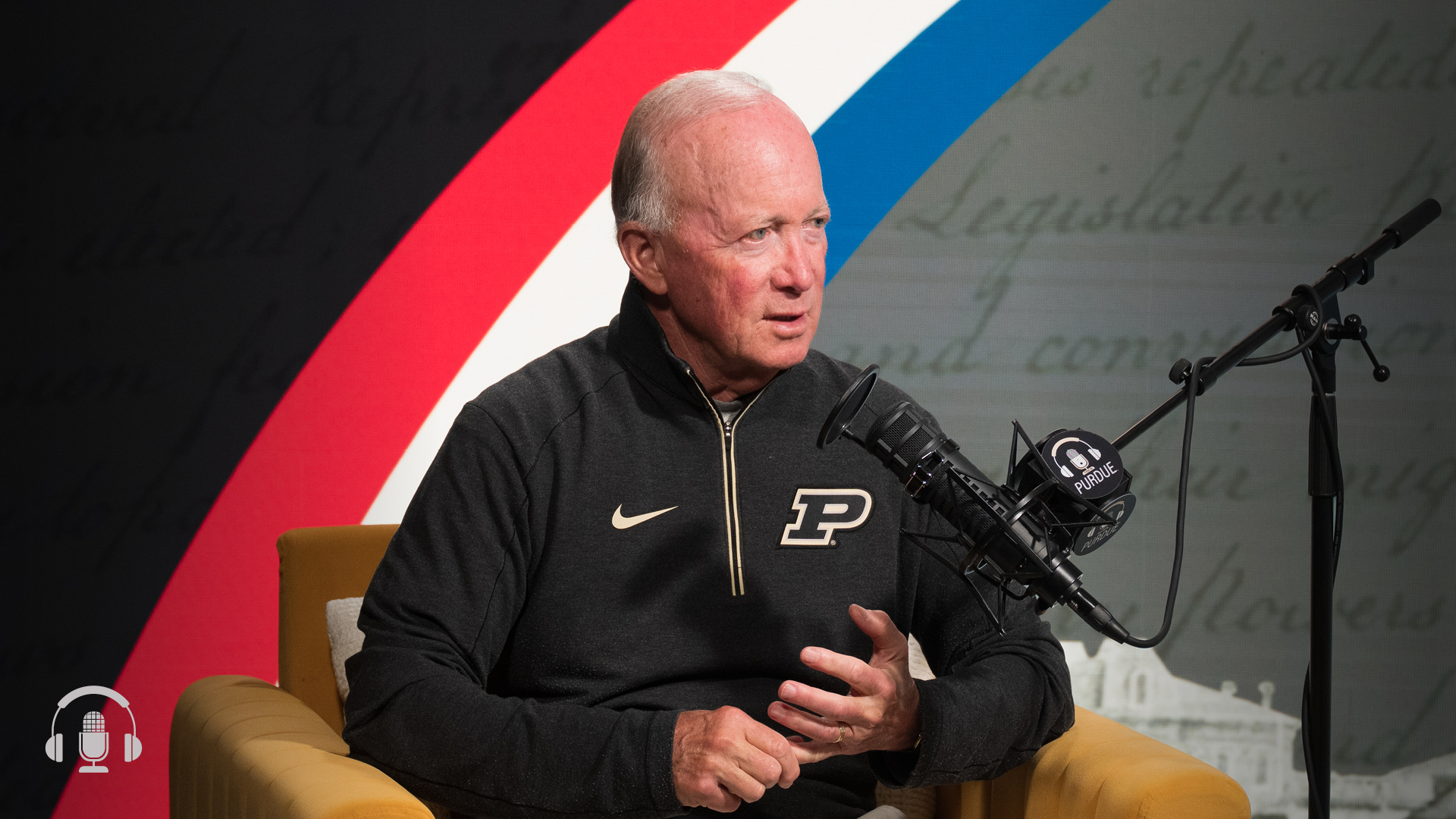
Episode 152: The Future of Sports Careers: From the NFL Fan Experience to Data Analytics
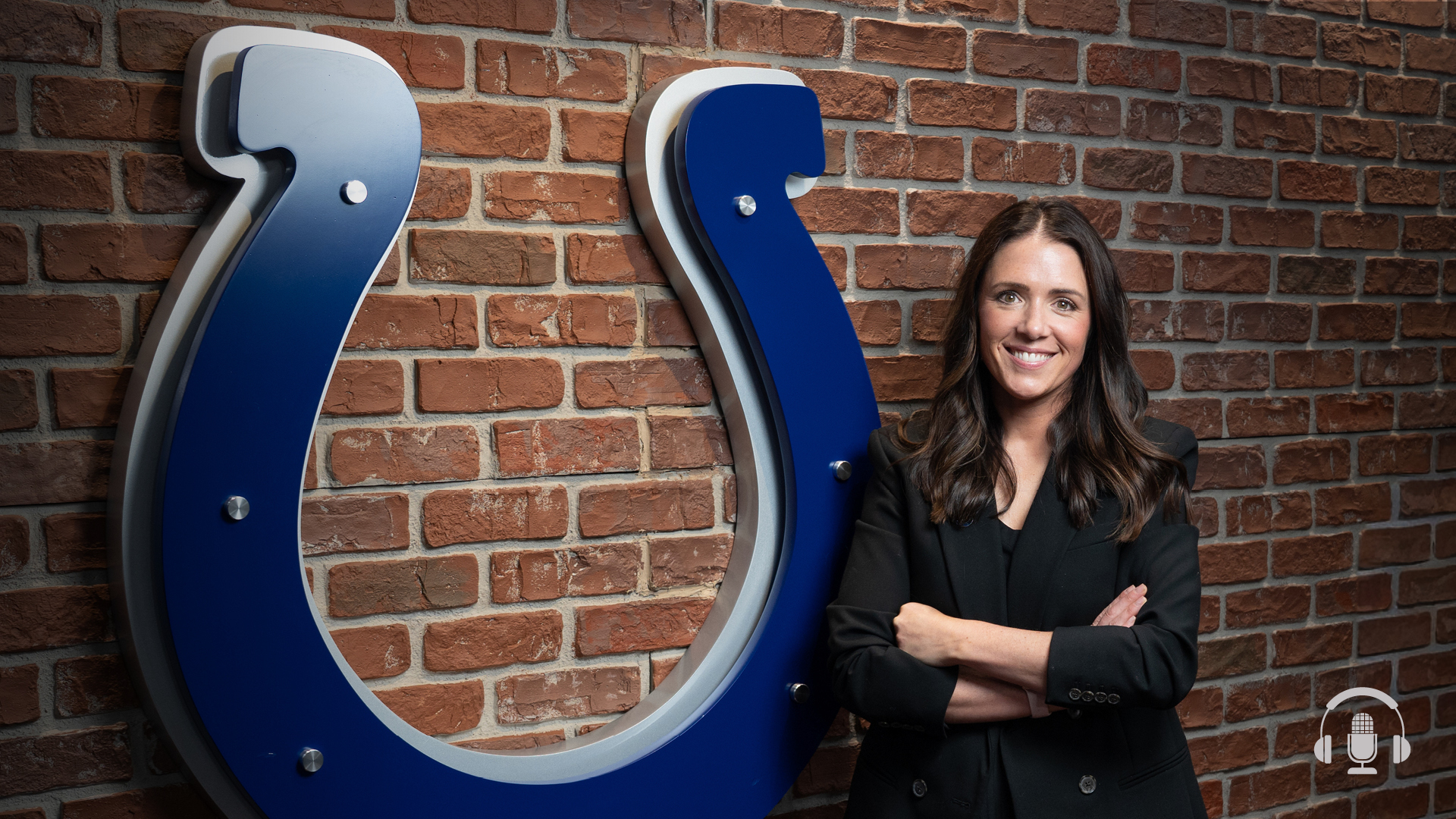
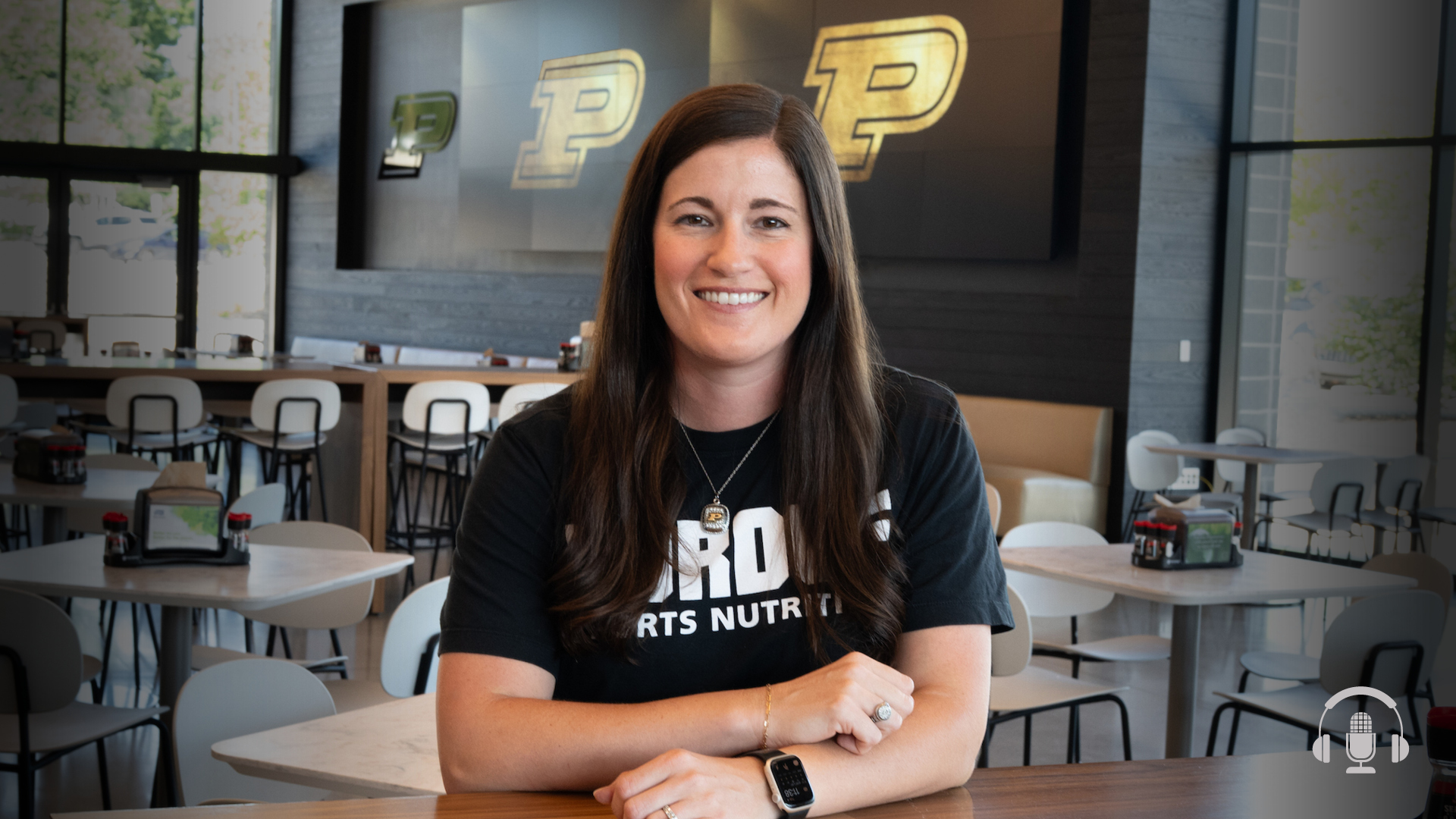
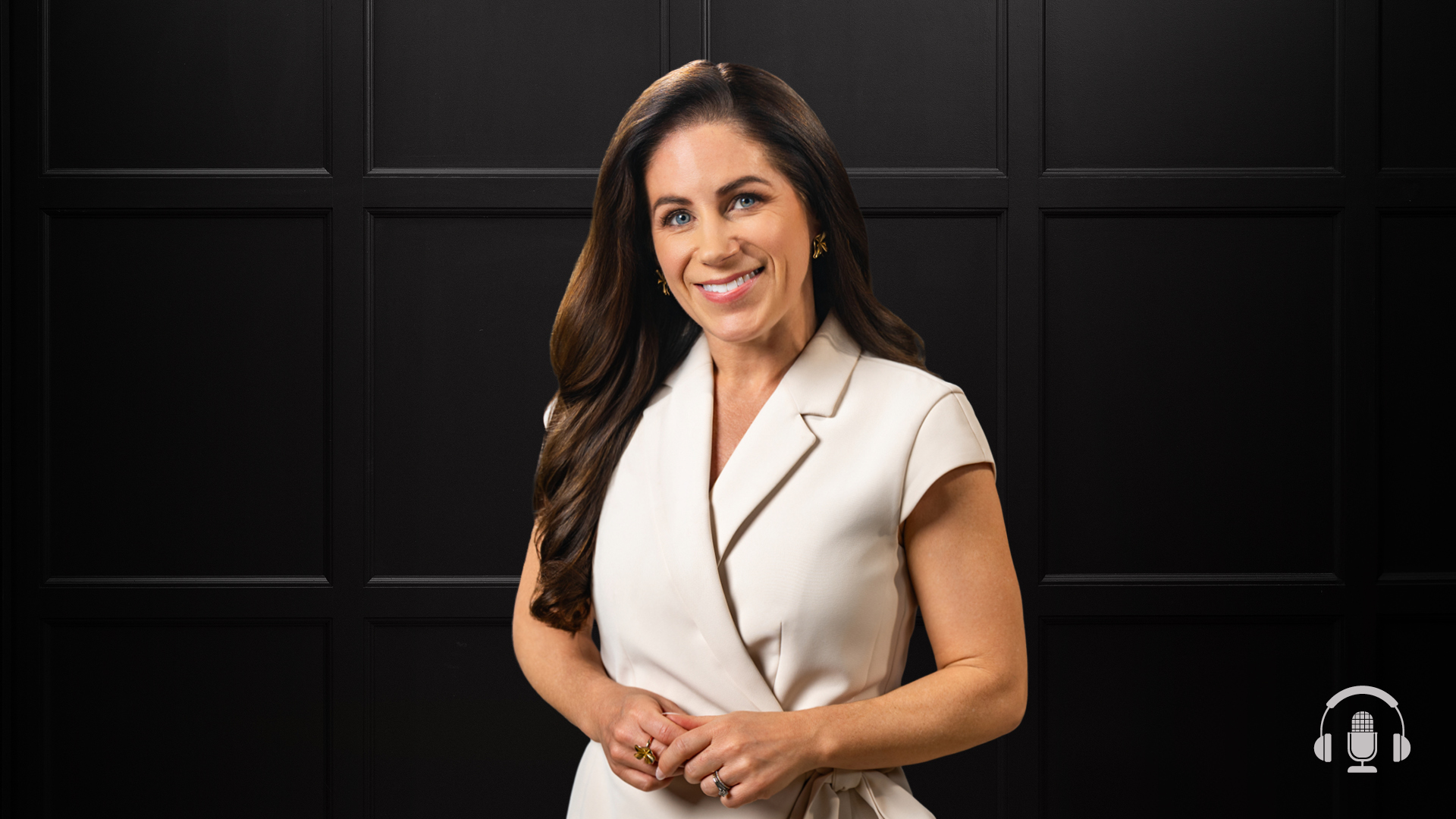
In this episode of “This Is Purdue,” we’re talking to Stephanie Pemberton (BA communication ’05), senior vice president of marketing for the Indianapolis Colts.
For over 20 years, Stephanie has worked in multiple marketing and community relations roles within the Colts organization. As a proud Purdue alumna and marketing executive in the NFL, she has key insights into the future of sports careers and how students can break into the industry through its many diverse pathways.
The Indiana native and sports marketing leader joins host Kate Young for an exciting interview from the Indiana Farm Bureau Football Center — near Purdue’s Indianapolis campus — to celebrate Purdue’s powerful new partnership launch with the Colts!
In this episode, you will:
- Learn more about how the sports industry has evolved in the past few decades and what careers are the most in demand, including areas like fan experience, sports performance and data analytics.
- Find out what skills and experiences students need to gain if they want to land careers with professional sports organizations like the Colts, and what qualities set successful candidates apart.
- Hear how rapidly evolving technology like AI is being integrated into the Colts organization — and the NFL at large.
- Discover more about Stephanie’s background and path to working for the Colts, including how her time as an intern with Purdue Athletics helped launch her decadeslong NFL career.
- Tune in for more about Stephanie’s vision for Purdue’s new partnership with the Colts and how it will accelerate the talent pipeline in Indianapolis.
- Learn more about what energizes Stephanie about the Colts’ future — like building a global audience — and why her commitment to the fans and community inspires her every day.
You don’t want to miss this episode with a Boilermaker who’s invested in fostering the next generation of sports leaders!
- Watch Stephanie’s full video interview
- Learn more about Stephanie Pemberton
- Learn more about the Indianapolis Colts
- Learn more about Purdue’s partnership with the Colts
- Learn more about the Indiana Farm Bureau Football Center
- Learn more about Purdue’s communication major
- Learn more about Purdue’s Brian Lamb School of Communication
- Learn more about Purdue’s College of Liberal Arts
Podcast Transcript
I’m Stephanie Pemberton, and you’re listening to This is Purdue.
[MUSIC PLAYING]
Welcome to This is Purdue, the university’s official award-winning podcast. I’m Kate Young, your host and a proud Purdue alumna. This is Purdue is all about sharing big ideas that spark broad interest and get people talking. We’re passionate about highlighting notable Boilermakers who are powering innovation and working together to solve today’s toughest challenges.
Tune in to each episode as we have engaging conversations with Purdue alumni, faculty, researchers, coaches, and more who are inspiring change through small steps every day across timely topics like sports, well-being, emerging tech, and life-changing research. Join us as we discover how these Boilermakers are taking their next giant leap.
You think about sports performance, I mean, they’ve got their own analytics staff and team that is really looking at player performance, the amount of technology that exists on the field that a lot of fans don’t even see or maybe realize exists, the chips that players wear, and the type of insights that we’re able to gain and gather for each individual player, both from a performance standpoint, from a coaching and game strategy standpoint. It’s evolved so much. And so I think those career opportunities have grown alongside of it.
In this episode of This is Purdue, we’re talking to Stephanie Pemberton, senior vice president of marketing for the Indianapolis Colts. Stephanie is also a proud Purdue alumna. She received her bachelor’s in communication in 2005 from the Brian Lamb School of Communication. She’s worked in multiple marketing and community relations roles within the Colts organization for over 20 years now.
So as a marketing leader in the NFL, Stephanie has key insights into the future of sports careers and how students can break into the industry through its many diverse pathways. This was a special podcast interview as our team visited Stephanie inside the studio at the Indiana Farm Bureau Football Center, the headquarters of the Indianapolis Colts. So if you want to watch this conversation or check out additional clips from inside this broadcast studio, head over to our podcast YouTube channel, youtube.com/@thisispurdue.
This is also an exciting episode because Stephanie is discussing a powerful new partnership between Purdue and the Colts. See, Purdue has a long-term priority to build the Indianapolis campus into a hub for diverse sports careers. And this partnership both expands opportunities for Purdue students and allows the Colts to leverage Purdue’s talent pipeline. Stay tuned for this fall because there are plenty of innovative and immersive events and projects in the works with the Indianapolis Colts. So let’s get to it. Here’s my conversation with Stephanie.
Stephanie, thank you so much for joining us on This is Purdue, Purdue’s official university podcast. We have a little bit of a field trip here. We’re visiting you all at the Colts complex in Indy. But welcome to the show. Thanks for coming on.
Yes, thank you so much for having me. We’re excited to have you all here in our home and appreciate you going a little remote today with the show.
So you are the vice president of marketing for the Indianapolis Colts. You’re also a Purdue alumna. And we are going to dig into some key insights into the future of sports careers.
There’s so many different pathways that students can take nowadays. We’re going to get into AI, how that plays into sports. And we’re just excited to dive into these topics, especially because Purdue and the Colts have a new partnership.
Yes, I’m so excited. It’s really two worlds colliding for me, and I couldn’t be happier to be here and to be able to dive in with you today.
So to kick it off, the NFL is really one of the most powerful organizations in business today. In 2025 alone, most sources have the NFL claiming at least 75% of the top 100 most-watched broadcasts last year. So with that level of visibility and potential, how has the Colts organization evolved during your time here to meet the moment?
Yes, it’s a great question. It’s a big question. I’m going to date myself a little bit. I’ve been at the Colts now for over 20 years. And I think the good news is we have evolved and changed.
I think for any business, whether that’s in the education sector or the sports sector, you want to be evolving, you want to be growing, and we have. And so, again, there will probably be some audible like, oh, when people listen to this and think back. But, I mean, when I started with the Colts, we didn’t have a social media department.
I think I had just gotten my first Facebook account. The world just looked a lot different. And we didn’t have an analytics department. We didn’t have a data science department or even position, and that’s changed.
We didn’t have our own in-house production team and videographers. It was really much more of a skeleton kind of crew. And so that has all evolved and changed, and I think for the good and for the better, the organization looks a lot different than it did.
But at the same time– and I would say this is similar to Purdue– it doesn’t mean that we’ve changed who we are at the core. And I think that’s one of the things that’s kept me here so long. I know, obviously, it’s my home state, but I think even being able to stay with the Colts organization for so long, we are still rooted in a lot of the same values and beliefs that we had 20-plus years ago. And obviously, a lot of that is connected back to the consistency we’ve had in ownership with the Irsay family being the stewards of the horseshoe for so many years.
I think a lot of how we do business and what our business looks like has changed. At the core, I think there’s a lot of continuity, which I think has made the brand even more powerful in today’s modern world, to have that rich history and some of those constants, even while you’re changing and evolving.
The other thing that I’ll note– we don’t see ourselves just as a sports team or just a football team. That is an important part of our core product, but we really see ourselves as an entertainment brand, as a media company, and so much more than just a football team. And again, I think that’s just a testament to how sports, as a whole, has grown.
Our athletes aren’t just athletes. They’re celebrities. They’re fashion icons. They’re their own social media creators and content creators. The landscape of sports holistically has really evolved quite a bit, and I think the Colts have evolved with that.
Absolutely. Would you say that sports careers beyond the field, like research, data analytics we talked about, are more important than ever due to factors like AI and that shift to direct-to-consumer business model?
Yes. I mean, it’s definitely expanded. I think the evolution of digital, social– the world is a lot more connected. And I think that’s unlocked a lot of new skill sets and different skill sets than maybe you traditionally saw in sports. Just the sheer number of internship opportunities we have and more unique and technical skill sets that we need has definitely evolved and grown.
Now, at the end of the day, we are an experience-driven brand, and so we still have a core group of staff that are focused on that fan experience, and that will always be at the heart of who we are is we are an experience-driven brand. And so one of our core priorities every year and a lot of what even those more technical skill sets are still focused on is driving the fan experience, whether that’s digitally, live in person on game day. And so I think we always try to remind everyone on the team, no matter what your role or responsibility is, at the end of the day, the fan is at the center of what we do.
And the good news is that with today’s world and the way that we’ve been able to evolve, how we can reach and engage fans has changed. And so you no longer have to be in Indiana or Indianapolis to stay connected to the Colts year-round in a very easy way. That’s been a really exciting part of how things have shifted. But yes, there’s definitely a broader array of skill sets that we’re looking for now as our organization has grown.
If you were to look into the future, what sports careers do you think will be most in demand in 5 to 10 years that might surprise people?
Yeah, that’s a good question. It’s hard to predict the future. I left my crystal ball at home. But I think, as you mentioned, just with our continued innovation and with continued focus on data analytics, AI, continuing to power the fan experience and connect with our fans in new and differing ways.
I think content is still going to be incredibly important. Again, I think we produce all of our own content in-house. We have a full-service content production creative team that really acts as an in-house agency, and I think that model is only going to continue to grow, and those capabilities are going to only continue to evolve.
With the world getting smaller, if you will, and shrinking and just access globally becoming easier, you’re going to continue to see growth on the international side. We hired our first director of international two years ago. And if you had asked me 20 years ago when I started if I thought that would be a role, I probably wouldn’t have.
And I think it’s really exciting to think about football not just as an American sport, but a global sport. And that’s going to continue to be a priority, I know, for the NFL. And I think you’re seeing that with a lot of the other leagues as well. While we have the US market captured, we feel like there’s a huge opportunity to continue, and there’s a huge appetite in demand for American football around the world.
Let’s say we have students listening, watching today. What advice would you give them? What kind of skill sets do they need to land a dream job in sports right now?
One of my biggest challenges getting into sports was just there was way more people that wanted to work in sports than there were opportunities that existed. Now, as we’ve talked about, there’s a much broader array of experiences. We have a lot larger staff than we used to.
There’s also a lot of new sports and emerging leagues that have come on. Sports, as a whole, has grown so much that there are a lot more opportunities, which I think is the good news. But it is still competitive. And I think that depending on where you’re looking to plug into sports, whether that is a more technical side of things or whether it is more on the experience, brand, game day, event side, there are some basic things that we certainly look for.
I think one– it sounds old-fashioned, but just that work ethic and that problem-solving, critical thinking ability. Sports moves very fast, and it’s an industry that– if you think about it, our on hours, if you will, are a lot of time– the broader population, it’s their downtime, right? So you’re talking nights. You’re talking weekends.
Holidays.
Yes, because we’re an entertainment company. And so just knowing what you’re signing up for and having a mindset that understands what that looks like and that is willing to adapt and be able to operate in that fast-paced, high-energy environment, I think, is really important. So I think there are some of those core fundamental needs. And then I think, again, depending on the role that you’re looking for, then you layer in some of the more technical skills or things like that.
I think one of the biggest things is build your resume while you’re at Purdue. Attending class is critical. Classwork is critical. But there’s also a lot of free time and in-between time. And so how can you plug into campus? How can you plug into student organizations? How can you seek internship opportunities?
I waited until my senior year to be able to land an internship in the NFL, and that wasn’t for a lack of trying before, but I think the reality is most of our interns are at that senior level and have built their resume over the past three to four years. And I think that’s typically what you see at the league level, is a lot of interns that are at that junior, senior level that have built the experience. And so you have to be willing to not be too picky, I think, with the opportunities, keep an open mind, but know that you’re not going to probably get exactly where you want to be right away, that there’s going to be some stepping stones.
I think back to my career at Purdue, and I think one of the best things I did was just making sure that I wasn’t close-minded. I knew I wanted to work in sports ultimately, but I kept an open mind to other opportunities that I felt were adjacent to the ultimate career that I wanted. And so I worked at the Purdue Writing Lab. I worked for the Purdue student newspaper.
I actually took an internship up in South Bend that I had a connection through one of my professors and found out about that was with a civic organization. I eventually landed an internship with the Purdue athletic department. And so I didn’t just wait for my summers to come to get those internships, but I really tried to plug in on campus year-round.
And then I think too just building relationships with your professors. I had some professors that had incredible connections and relationships outside of the education sector. It was through one of those relationships that I was able to get connected to the Indiana Fever, where I got my first pro sports internship that ultimately helped me land with the Colts.
And so I think keeping that open mind, but also knowing that if you look around your class, there’s a lot of students that probably also want to pursue similar degrees. And so thinking about how can you outwork them and put in that extra effort and get that competitive edge because sports, especially when you’re first starting out, I mean, it’s going to be a lot of hours. It’s going to be a lot of hard work, again, depending on where you’re going to plug in. But you’ve got to be prepared. But I think ultimately, if you love it, it’ll be worth it.
That’s the theme of the podcast. We’ve interviewed people from Disney. Get your foot in the door. You can always work your way up. And I think obviously in the NFL, that would be a huge key there.
Yes. And I think that’s a really good point. I mean, one of the things I emphasize with students and interns coming in is it’s great to have long-term vision. It’s great to say, this is the job I want one day, or this is the role I want to see myself in.
I think that can also be crippling sometimes and allow your focus to be on the wrong thing. And I think don’t lose sight of what’s right in front of you and the opportunity that’s right in front of you. And there may be days when you’re in an internship, and you’re doing a task that feels like a step back almost. You’re close to finishing your college degree. You’re going to be a college graduate. And you may go, wait, why am I doing this?
I think at the end of the day, you’ve got to give that same amount of effort, whether it’s a task that you feel like doesn’t align with your skill set and what you can do, but also giving the effort to those small things. And I think that’s one of the life lessons I’ve learned is that if you can do the small things well, then slowly, you will be given responsibility to do bigger and bigger things. But you have to build that strong foundation along the way, and you have to show that regardless of how big or small the task is in your mind, that you’re willing to put in the work and do a really good job regardless.
We talked about Colts games are an experience. Even the training camps are an experience. How are things like AI and extended reality changing fan experience, player training, community engagement within the Colts?
Yes. Well, I think it’s safe to say AI is here to stay, and it is really becoming a part of everything that we do. We want to integrate it in a way that is purposeful, meaningful, that helps move our business forward, that helps bolster our fan experience. And so I think there are ways that it is being integrated into some of our existing tools and applications.
I mean, you think about how AI is integrated into ticketing platforms and our fan experience– our technology that we use on the big screens to drive a lot of our fan elements and things. There’s AI woven into all of those. And then also just thinking about how can AI help all of our staff be more efficient, be more effective in their day-to-day tasks so that at the end of the day, we can spend our time where it matters most and that AI can come alongside us and help expedite some of those tasks that are maybe time sucks but aren’t accelerating the business.
And so I think we’re really excited about the opportunities. Our focus is embracing the technology and then equipping our team members to know how to use it best to accelerate their jobs and then ultimately move our organization forward.
You’ve been here for over 20 years. Are there any examples of how this emerging tech has changed your day-to-day every day?
Well, I mean, I can tell you, like I said, AI is integrated into every tool that we have. Again, I’m going to date myself and probably bring a few chuckles to your viewers and listeners. But when I first started, I didn’t have email on my phone. And you look back, and you think, how did we even survive one business day without that kind of connectivity?
Now you look at where we are, where those day-to-day tasks and that connectivity are greater than they’ve ever been. As we’re putting together our business plans, working with our analytics team on analyzing numbers and fan feedback, we’re using AI to help us, again, work through some of those things that used to have to be manually done to help accelerate turnaround time and help that feedback loop be shorter than it’s ever been.
We’re able to analyze and evaluate parts of our business in real time in a way that, again, we just weren’t able to do years ago. And I think that’s only going to continue to improve. And then if you think about all of the content and things that we produce and just the timeline from the moment that we shoot something to when it goes live is just– that window has consolidated incredibly since I started. I think it’s really exciting the pace that we’re able to move and connect with our fans and interact with our fans really in real time. There’s minimal, if any, delays, which I think is really exciting.
I love that. That’s great. So we talked about our partnership with Purdue and the Colts. What excites you the most about partnering with Purdue, specifically with our Indianapolis location?
Oh, where do I start? I mean, really, it is my worlds colliding. I’ve always been a proud Purdue alum. And I think having the partnership in place now really allows, selfishly, me to highlight that pride in an even greater way and bring both brands together in an even more powerful brand.
And I think the Indianapolis Colts are such a long-standing brand obviously here in Indy. Purdue has this amazing legacy brand as well. And so, to me, it really feels like the perfect partnership, where you’ve got these two organizations that are committed to a lot of the same things coming together to really make it even more powerful and impactful.
I’ve always felt a sense of responsibility to the next generation. I would not be where I am today without professors, mentors, people coming alongside of me and helping me, whether that’s giving me advice, helping me make a new connection, or grow my network. And so I’ve always felt this responsibility to give back to students who are trying to follow in that next generation of sports professionals.
And I think Purdue is the one– they’re obviously building and growing that next generation. And so I think I’m excited for the possibilities of just pouring back into those students that are looking to grow their sports careers and however I can help them do that. I’m excited for Purdue to have a greater presence here in Indianapolis. I think it’s a really exciting time to think about what that can look like for the future.
And there’s so much happening in downtown Indianapolis. And I think Purdue putting a bigger stake in the ground in this city, I think, is going to be really powerful. When you look back in 10 or 15 years and think about what you all are doing in the city of Indianapolis to invest and pour into talent pipeline development and just building that brand in Indy, I think it’s really powerful, especially as you think about sports, because Indy is a sports town. We definitely punch above our weight class when it comes to how integrated sports is in our economy. And so I think it’s exciting to think about how Purdue can be a part of that in a bigger way moving forward.
And part of our goal with the Indianapolis location is to have this hub for diverse sports careers. How do you see this partnership expanding those opportunities for Purdue students?
I think just having a presence here is going to be huge. Like I just mentioned, there’s so much happening in the sports space here in Indianapolis. And being able to be in the middle of all of it– I mean, it’s one thing to be connected, just being in the same state, but I think when you actually have a presence in the heart of where all of that is happening, I think that is going to help accelerate.
And then to be able to come alongside brands like the Colts, who have been in the city for decades and have been able to build this incredible sports town, it’s exciting to think about how we can work together to train and help that next generation of sports professionals grow their careers right here. Someone once asked me, what’s one of the most important decisions you made in your career to really help you get where you are today? And I said, I think it was the decision to stay, and stay in Indianapolis.
When you’re in sports, you do have to be willing to move around where opportunities because, as we talked about, opportunities can sometimes be few and far between. But I think, for me, making the commitment to stay here in Indy and to continue to invest in what we’re building here, not just from the Colts perspective, but just from a sports ecosystem, has been one of the best decisions that I could have made.
And I know sometimes students can feel the pressure of, I got to go to a bigger market to get where I want to go. And I think really thinking about what Indy is building here. And we’ve got a professional volleyball team. We’ve got the Indiana Fever just have skyrocketed the Pacers, obviously the Colts.
And so when you think about just the sports ecosystem that’s being built and that has grown exponentially regardless of our market size, I think, is really exciting. And I’m hopeful that students will really think about those opportunities and not necessarily set their eyes on the bigger markets, but think about how they can grow their careers right here. And I think the power that Purdue and Colts combined can do to continue to foster that mindset could be really powerful.
I love that because you’re from Indiana. You went to school in Indiana. You know the culture. You’ve stuck around that. That makes a lot of sense. That’s perfect. How do you think Purdue students could integrate more into the Indy community, speaking of that, and engage with this hometown team through this partnership?
Absolutely. Well, I think just awareness is a good starting point. I remember going to my guidance counselor when I was really starting to look at internships outside of Purdue. And the Colts never came up. There wasn’t a ton of awareness around the opportunities that existed, how to potentially connect, how to potentially apply.
So I think just having that connectivity and that awareness is a good starting point. We have so many incredible internship opportunities, game day staff opportunities where we can work around students’ busy schedules. And those types of opportunities, even if they existed, I wasn’t aware of them, back as a Purdue student. And so I’m hopeful that through this partnership, students can be made even more aware of all the opportunities and that we can help get them plugged in to where those opportunities are and help them point them in that direction of all the different opportunities that exist, whether it’s a part-time game day staff member as a starting point all the way up to one of our full-time, season-long interns, where you’re in the office every day, you’re integrated into our business operations, and you’re really getting that firsthand experience.
And then I think just continuing to build awareness in our local market. If Purdue wants to build their brand here in Indy, I can think of no brand greater to help them do that than the Colts. We have one of the largest sports brands in the country. We’re one of 32, and we’re very proud of that.
Sometimes we tend to be more humble, but I think it’s OK to boast about yourself every once in a while and just say, there is great power in what the horseshoe brings to the table. And if you include the Baltimore years, our brand has been around for almost 75 years, which, for an NFL team, is a long time. And it’s pretty powerful to think about, again, those two brands coming together. I think it starts with just awareness, and then you build from there.
A lot of people think about the more glamorous roles behind the camera. They’re on the field. They’re doing the event side of it, welcoming people to Lucas Oil. What are different sports careers, sports engineering, multidisciplinary technology, AI? Why is it important to talk about those different careers within sports too for future students and people at Purdue who are interested in this partnership with the Colts?
Absolutely. I think it’s good to talk about the breadth and the scope because we realize that everyone has different aspirations. Everyone has different skill sets, motivators. What a dream job looks like to one person may be something that is really scary to another person.
Being on a camera may be great for one student, but the other student would prefer to be someone behind the scenes, and that’s great. And I think the beautiful thing about sports is we’ve got opportunities. Regardless of what drives you, there are opportunities that I think can fit those unique skill sets, personalities, et cetera across the board.
And I know a lot of our conversations have been focused on the business side, but alongside the business side growing, I think the football side has grown incredibly over the past 20 years. You think about sports performance. I mean, they’ve got their own analytics staff and team that is really looking at player performance, the amount of technology that exists on the field that a lot of fans don’t even see or maybe realize exists, the chips that players wear, and the type of insights that we’re able to gain and gather for each individual player, both from a performance standpoint, from a coaching and game strategy standpoint. It’s evolved so much.
And so I think those career opportunities have grown alongside of it. Just like our business side has become a lot more driven by data, insights, analytics, the same is to be said on the football side. And so I think that’s the other piece.
And then if you think about that, that’s also grown the sports ecosystem outside of teams. So all the vendors and companies that we work with to bring that technology in and to service those needs. Again, maybe not what people first think of when they think of sports careers, but very much in the sports ecosystem and very much still under that sports umbrella.
And so I talked about keeping an open mind, but I think that’s the other thing that I would say students should be very much aware of is a lot of times, when you say work in sports, you immediately think of the big media properties, and you think of teams. But there are so many other ways, whether that’s through technology. I mean, the sports technology ecosystem here in Indianapolis is exploding.
I know there’s dedicated efforts now to really recruit and invest in sports technology. And it all goes back to that core strategy of the city of using sports as an economic driver. And so it really has expanded the amount of opportunities that exist for students because of that.
Going back to your time at Purdue, you said you worked in the athletics department. Were you always drawn to sports from a young age? How did you become interested and passionate in sports?
I have four sisters, no brothers. Despite being from a family of all girls, we became sports fans at a pretty young age, and I’ll never forget. So my oldest sister wanted to be a veterinarian since she was 10 years old. And so Purdue was immediately on her radar as she advanced into middle school and high school and started thinking about vet school.
And she set her eyes on Purdue at a pretty early age. And so then that led her to start following Purdue sports. I remember in high school being able to go to some basketball games, and it was electric. Even though I didn’t quite know what I wanted to do yet, and I hadn’t necessarily decided on Purdue, I think just seeing the excitement around college athletics. And it really started to give me a taste for what it might look like to be in that sports environment and then got into watching Colts games and got to attend a couple Colts games.
I’m from a very small town in Southern Indiana. We’re talking like one stop sign, not even a stop light. I was a country girl at heart. And when I had an opportunity to go to the big city and go to a Colts game a couple times, it was a big deal.
And those experiences made a lasting impression on me and really, I think, started planting the seed of when I started looking at careers and thinking about what I wanted to do, sports popped into my head. I was thinking about communications and PR. I told my mom. I said, what about sports? And I think it caught her off guard at first. And I had several professors that tried to dissuade me and push me towards law school or other things, but once I started actually working in the Purdue athletic department, I think that experience really solidified how much I loved it and how much I wanted to pursue it.
My senior year at Purdue, I mean, I joke. You talk about sacrifices and working hard. I never did breakfast club at Purdue. I was always working the football games. I was always working the basketball games. But I loved it.
And, for me, it never felt like a sacrifice. It just felt like something that was fun and that I wanted to be a part of. And I think those experiences at Purdue and being able to be a part of the athletic department just really solidified that that’s what I wanted to continue to pursue.
I majored in communications through the School of Liberal Arts, and then I got a minor from the business school. And so with that degree, I knew I could do a variety of different things, but I decided I wanted to give it a go of sports. And when I first started out, I think my parents thought, oh, she’s just got to get this out of her system. And now here I am, 20 years later, still in it, but it’s been a lot of fun.
Well, not many students could say that they could experience a football or basketball game the way that you did from behind the scenes, right?
Yes. It’s one thing to experience it as a fan. And I think all of us that work in sports, I mean, we are fans at heart. But you have to channel that fan energy a little differently when you’re working on the business side.
And so I think it’s always great when you can work for a sports brand that you grew up loving. I still have a letter from the Colts from when I was probably 11 or 12, acknowledging me as an official member of the Colts fan club. And I think it’s a good reminder that even when you work in it, it often starts with those fan moments. But then the lens that you look through just changes a little bit as you start to see it as a business and understanding that how you act as a fan may have to look a little different once you’re on the business side. But again, I think it’s always important to care about the brand that you’re working for, and it only makes it more powerful.
That’s a perfect segue. Right when you graduated from Purdue, you came to the Colts, started working here. You’ve been here for over 20 years. What made you stay loyal to the organization? What made you stay here?
I think a few different things. I think one goes back to what I was saying earlier– just the Irsay family. The alignment of my core values with the organization’s core values has always been there. And then just continued opportunities for growth and being blessed to have the trust of ownership and our leadership to continue to grow my career here, to take on new things, really give me a chance to show what I can do.
And I mentioned international earlier. That’s one of the newer things that I’d been able to be a part of. And again, there’s nothing on my resume that would tell you I’m equipped to do international business. But again, just having the trust from ownership and leadership to say, we want you to help lead us in this next chapter of growth for us. I feel very blessed to have that trust, and I don’t take it for granted.
It’s interesting– our COO, Pete Ward, he actually started as an intern with a team in Baltimore and was one of the employees that came when the team moved here from Baltimore to Indianapolis. And he’s been with the organization for 40-plus years and just an incredible person. And I think it’s just a testament to the trust and loyalty that the Irsay family has. And again, feel very blessed to be the recipient of that trust and loyalty for so many years.
What’s the most exciting thing about working in sports marketing?
That’s a great question. One of my favorite parts. Yes, it’s exciting to be a part of a football team and the excitement of game day and wins and losses. And I’ve been able to be a part of a couple trips to the Super Bowl, one that we lost, one that we won.
And those are, I mean, always exhilarating and exciting. And ultimately, that’s what you work so hard for, is you want to be at the top of the mountain and win those championships. But I think in order to stay in it so long, you have to enjoy the day-to-day and the grind of it, if you will, too.
And honestly, I still get so excited to be able to see the impact that we’re able to and the memories and the moments that we’re able to create. I can’t control the wins and losses. And we always talk about that within our team. While we don’t control the wins and losses, we do help craft and create the memories and the moments that people will remember that they’ll talk about at the dinner table. That’s a huge responsibility when you think about it.
And it’s a challenge, but it can also be very rewarding when you see a young person, a child, walking into Lucas Oil Stadium for the first time, and their eyes just light up. And the reality is we were all there one moment. And we can all remember that first big sports moment that we had, walking into our favorite team stadium or an event that they were doing and just the joy and the excitement and the awe of it.
And I think at the end of the day, that still excites me and gets me excited about what the Colts are and can be in a community like Indianapolis. It’s those moments, a lot of times, that stick with me the longest. I think when I started my career, I was working in our community impact team. So a lot of the off-the-field nonprofit community moments and some of the most wonderful memories that I have are some of the make-a-wish visits we did.
And I’ll never forget some of the young people that came in and just the way that we were able to surround them and really make their entire year and give them memories and moments again that will last a lifetime. And to be a part of that in such a meaningful way, I think, is really special and something that we can never lose sight of. As a sports team, as an entertainment brand, we always have to remember that that is at the core of what we do, and that emotional connection is something that is really, really special and very different from a lot of other consumer brands. It is a business at the end of the day, but I think we are in the business of making memories and creating special moments, and that will always be one of my favorite parts of the job.
Sure. And I imagine in each summer, there’s a buzz. Going into the next season, it’s a fresh start.
Yes, and we are in the thick of that right now with camp opening and the season kicking off. I think August, September is always one of our busiest times because everyone’s ramping up, but it’s also one of the most exciting times. And I think there’s so much anticipation and excitement leading into that first regular season home game, and that always excites and energizes our entire staff every year.
I bet. So as we look towards the future of the sports industry as a whole, what are some of the ways that the Colts organization is staying at the forefront of all of this industry change?
One of our core values is curiosity, and I think that’s something that we talk a lot about across the organization is we don’t want to be trendy just for the sake of being trendy, but we want to continue to evolve and innovate in a way that moves our business forward, that improves our fan experience, that moves us forward, but also is true to the core of who we are and grows our brand in the right way. And so every year, we have a pretty extensive business planning process where we look at everything we did the previous year, and then we start to ideate and explore and think about what can we do better and how can we solve for some of the challenges that we have, but also push ourselves to move forward in an even bigger way.
And so I think allowing that time for open exploration, discovery, curiosity is really important and something that we continue to talk about with all of our team members and why it’s a part of our core value system, is we want our folks and our staff to be curious and to think differently and to think and innovate in a way that allows them to have some creativity and to try some things. It’s not always going to work the first time, and that’s OK.
But I think doing it in a way that’s very collaborative and leverages that power of the collective group is also really important. I would say that’s been one of our most important processes that we’ve implemented over the last decade is just that dedicated business planning, exploration time because we know there’s going to come a point in the season where we have to move to execution mode, and we have to execute to the best of our ability, as flawlessly as possible. And so carving out that time to make sure that we’re giving our team members time to just take a step back, think big picture, think long term, think creatively, and then start to whittle in and figure out which ideas we want to actually implement for the year.
How do you think this Purdue-Colts partnership will help advance these efforts? Any sneak peek things that you can give our viewers and listeners coming up?
Oh, that’s a good question. I mean, I’m excited to just see what we can accomplish together and how we can build on the success of both of our brands. And the talent that you all can bring to the table, potentially, as we think about some of these emerging platforms, technologies, and the skills that will be needed to drive those, I think, is really exciting.
Thinking about how we can work together to bridge the education to real life transition and just share and collaborate and us understand how all of these changes and evolutions within our industry are going to impact the student experience, but then also how Purdue can continue to equip students to be the best sports professionals when they are ready for that next step. And I think there’s going to be a lot of great insights and sharing that we can do. This is just the beginning, which is really exciting.
Absolutely. Well, it’s been a total pleasure. Is there anything I missed, anything else you want to tell our listeners and viewers today?
I don’t think so. I feel like we’ve covered a lot of good ground.
We have.
So these are great questions. And again, I’m just excited to be a part of this partnership and continue to support it in any way I can and, again, help your students better understand and connect with all that’s happening around sports here in Indianapolis.
Well, thank you so much, Stephanie. It was great.
Thank you.
We can’t thank Stephanie enough for joining us on This is Purdue. And special thanks to the Colts for hosting us inside their studio as well. For more information on this new Purdue-Colts partnership, be sure to check out the links in our episode show notes. And if you’d like to watch some extra bonus videos, head over to our podcast YouTube page, youtube.com/@thisispurdue, and click that Subscribe button while you’re over there.
This is Purdue is brought to you by Purdue Brand Studio. The podcast is hosted and produced by me, Kate Young. The creative team behind the show’s videography, design, and writing and research includes Thad Boone, John Garcia, Cheryl Glotzbach, Ashwini Mulshi, John Underwood, and Delaney Young. Social media marketing is led by Maria Welch, and our project manager is Reign Gu.
Thanks for listening to This is Purdue. For more information on this episode, visit our website at purdue.edu/podcast. And head over to your favorite podcast app to subscribe today so you never miss an episode. You can also check out all of our podcast video content on our YouTube page at youtube.com/@thisispurdue. And as always, boiler up.