The strength to be there: Rock family battles son’s illness
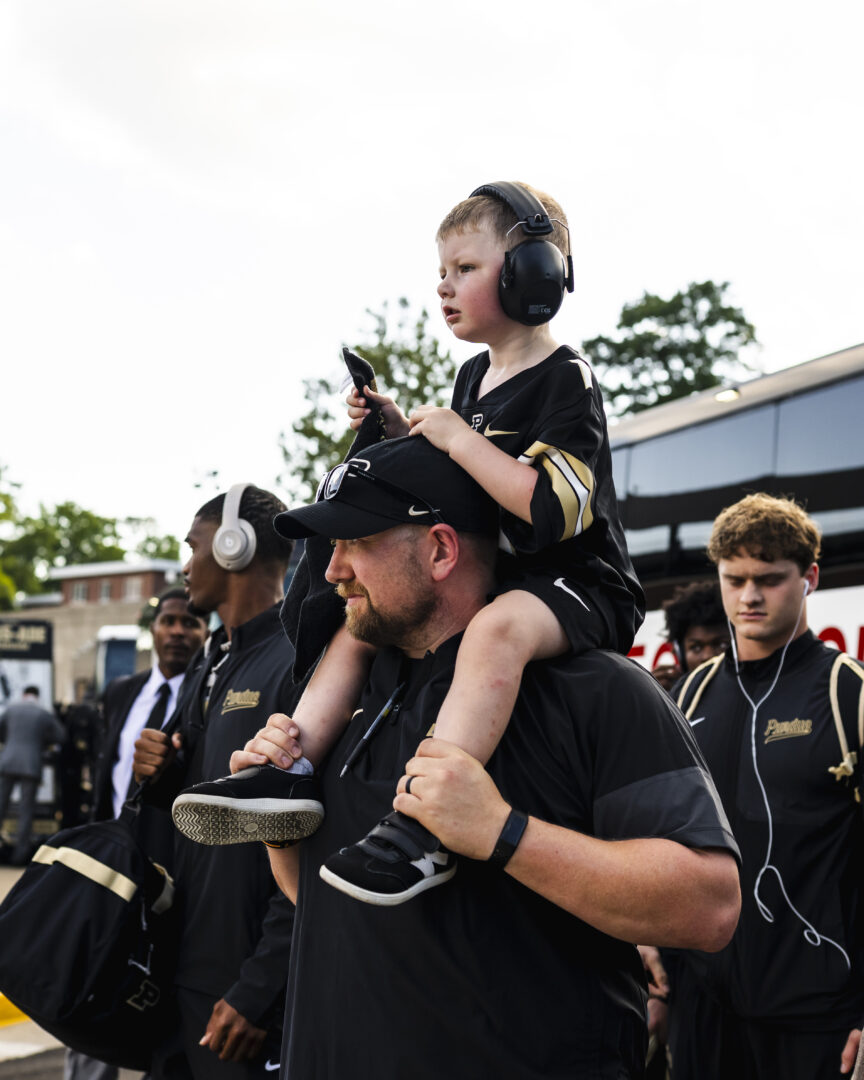
Jack Rock, son of Purdue football strength coach Nate Rock, celebrates being leukemia-free two and a half years after his diagnosis.
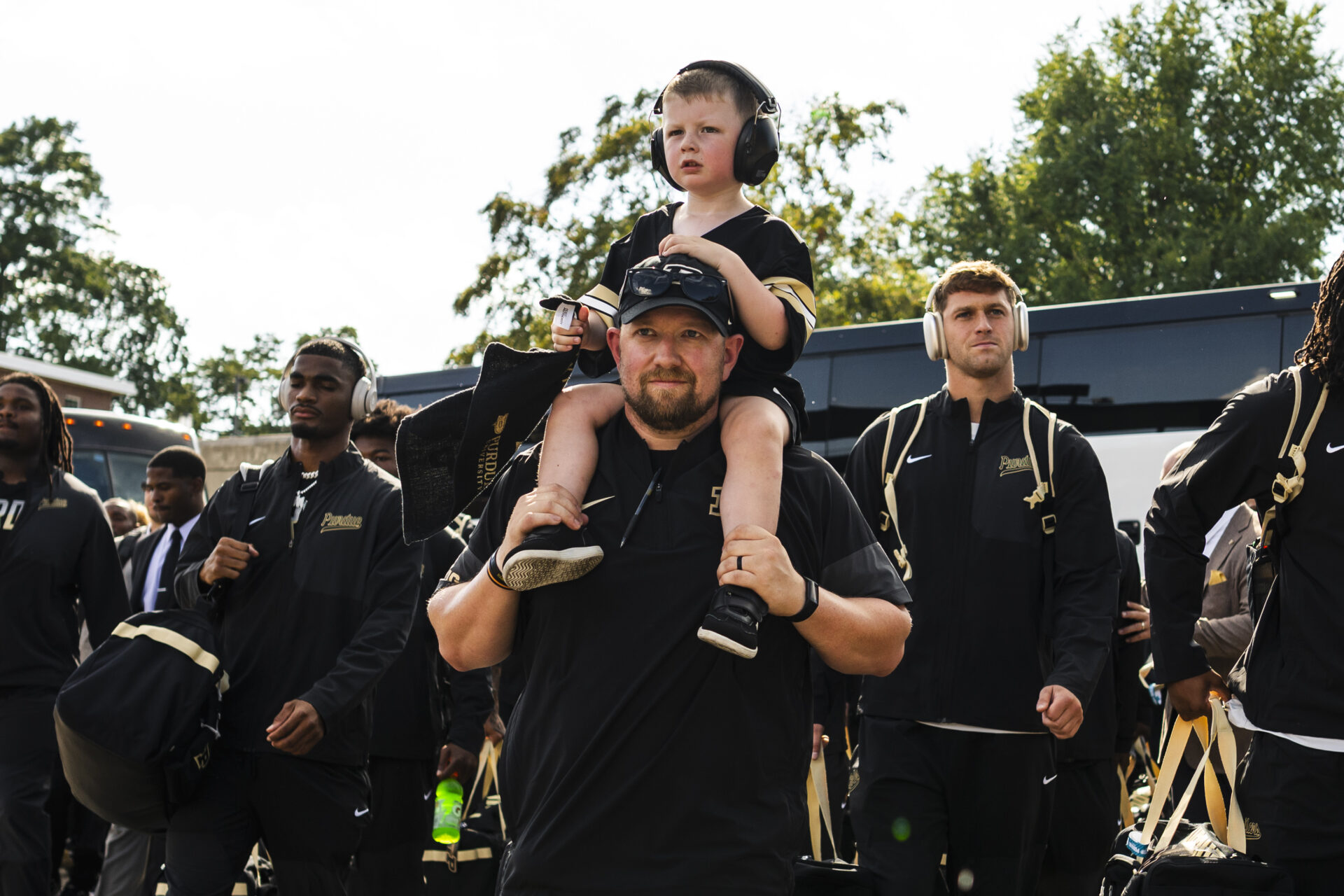
When Jack Rock rang the bell at Riley Children’s Hospital in Indianapolis in March, he did it over and over again.
He was 3 years old, surrounded by about 20 members of his immediate family and the medical staff who had been part of his life for more than two years.
Each time Jack rang the bell, everyone clapped.
So Jack rang it again.
And again.
And again.
“He would ring the bell, and everyone would clap for him, and he would jump up and down and dance,” his mother, Amy, says. “And then once it would stop, he would do it again.”
For parents Nate and Amy Rock, the moment represented far more than the end of a series of treatments. It marked the close of a chapter that began in November 2023, when their 15-month-old son was diagnosed with acute lymphoblastic leukemia.
Now, Jack is 4. He started preschool this fall. He is no longer taking medication at home. Instead, he and his parents travel to Indianapolis every three months for checkups.
And so far, there has been no sign of the leukemia returning.
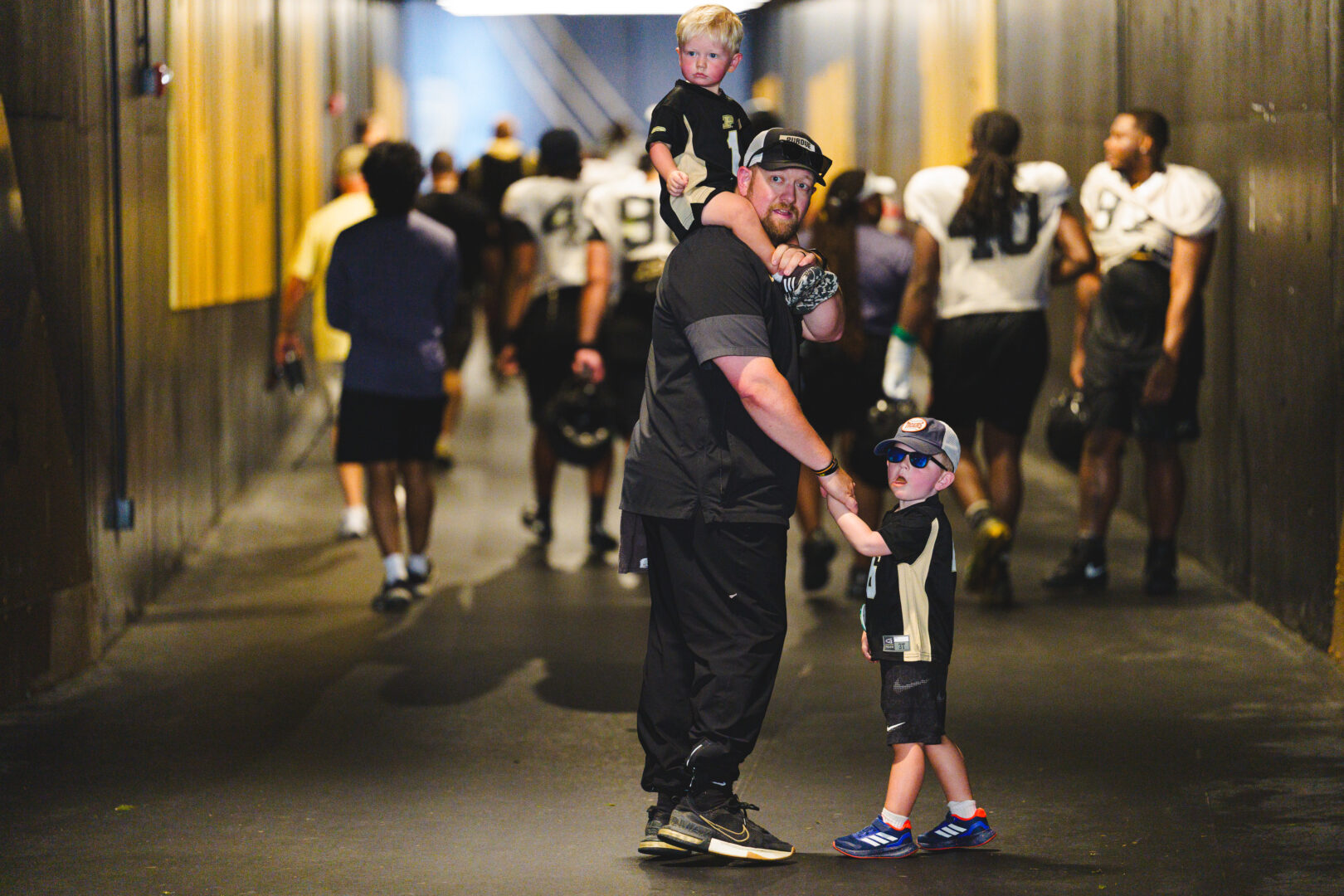
“We finished treatment in January, and we rang the bell in March,” says Nate, Purdue Football’s associate director of strength and conditioning. “Today, we get checkups every few months just to check his blood and still haven’t had any signs of it coming back.”
The Rocks know the next two years will bring periodic anxiety. They also know what they have already been given.
A healthy son. A grateful perspective. And a desire to help families walking the same road now.
“When we got to ring the bell, my wife and I looked at each other,” Nate says. “Now it’s our turn to help.”
‘He just wasn’t himself’
The warning signs were subtle at first.
Jack had been a happy, easygoing toddler. He was beginning to walk. Then, sometime in October 2023, Amy noticed a change.
He became increasingly agitated. He wasn’t sleeping well. He was clingy. He stopped progressing with his walking and began crawling again.
An ear infection was suspected. Doctors prescribed antibiotics, but Jack didn’t improve.
“I just really felt like something was wrong,” Amy says. “He just wasn’t himself.”
Call it mother’s intuition.
Jack’s condition continued to deteriorate. He was tired. He wasn’t active. A rash developed on his legs. His stomach became distended.
They went to IU Health Arnett Hospital in Lafayette. Hours of testing followed. Shortly after midnight, the family was transferred to Riley in Indianapolis.
Still, nobody had told them what was happening. Jack was hooked up to equipment. More blood was drawn. His parents tried to get their young son to sleep. The next morning, Nov. 16 — Amy’s birthday — they got the answer.
Leukemia.
Nate wasn’t in the room when the doctor initially delivered the diagnosis. Jack was clinging to his mother, who couldn’t leave his bedside. His father had stepped out to get food.
He returned carrying a bag. Everyone’s eyes turned toward him. His wife was crying.
“I’m like, ‘Oh, look at what’s going on,’” he recalled. Then she shook her head.
“I think when you’ve lived a life where you haven’t had any major hardship, it was just kind of like shock,” Amy says. “You see the St. Jude’s commercials and see other people with childhood cancer, and obviously you’re like, you feel for them, but you don’t relate it to yourself. You kind of live feeling like those things happen to other people, not me.”
Now, it was happening to the Rocks. And everything changed.
‘You better be the dad’
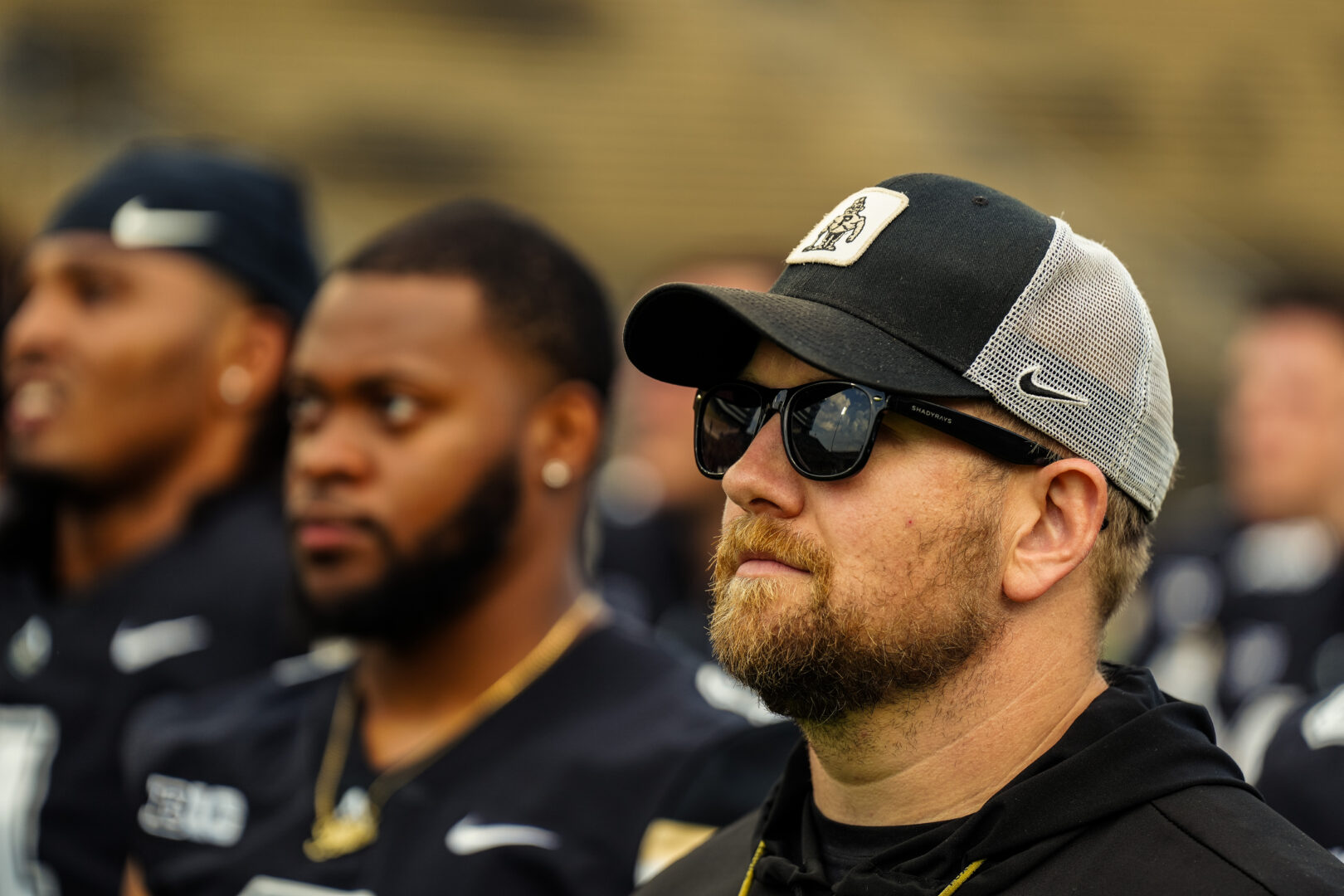
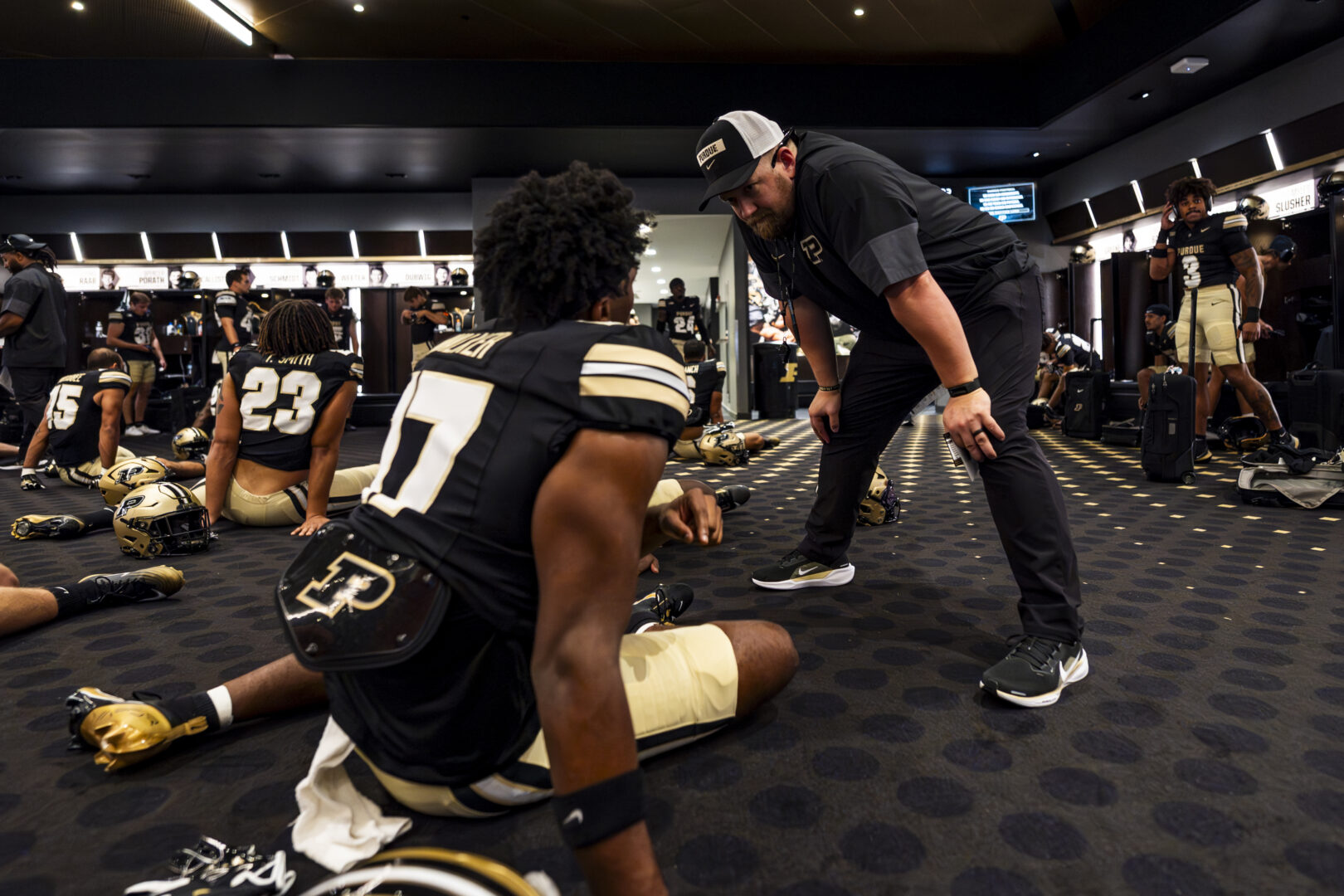
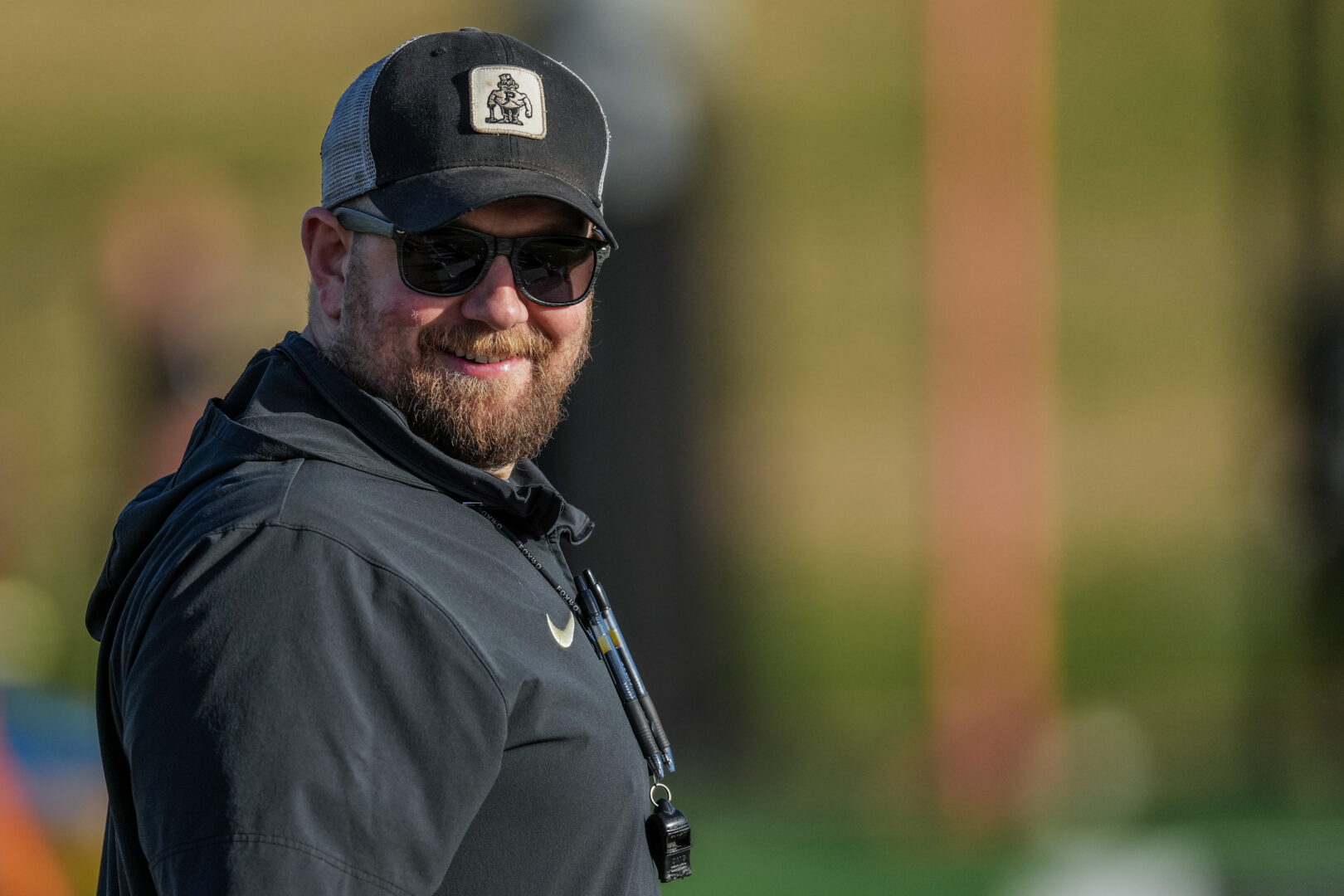
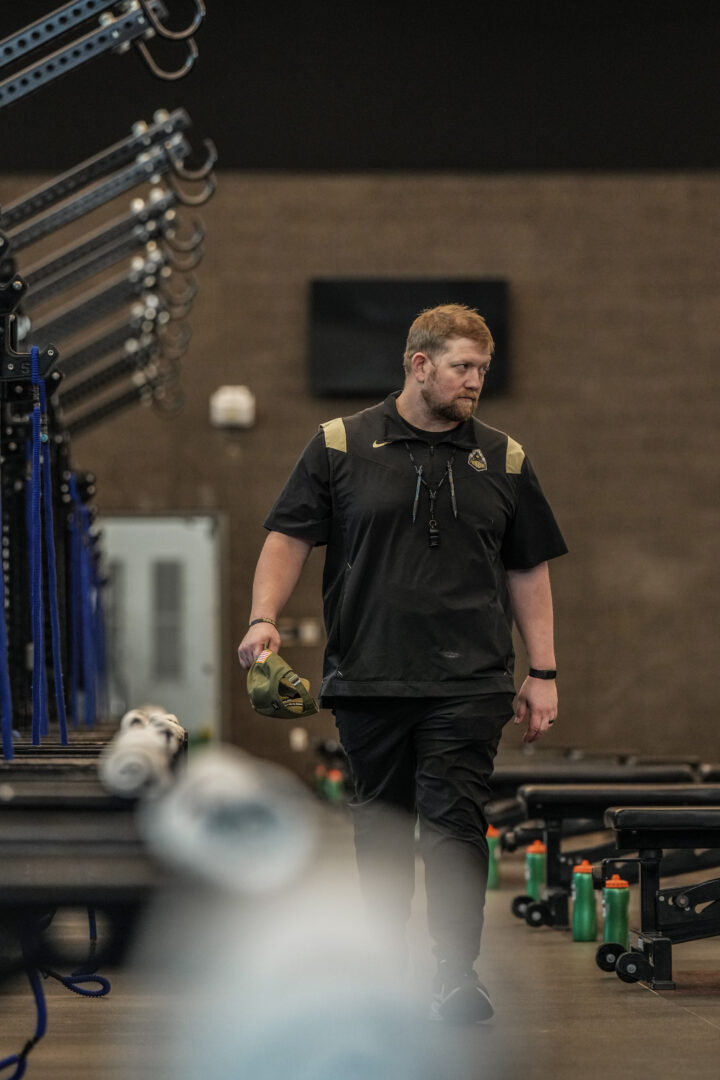
Nate Rock was a thirty-something strength coach and a father trying to figure out what came next.
Jack’s diagnosis meant treatment, hospital stays, procedures, blood transfusions, and a port placed in his chest. It also meant something simpler and more fundamental.
His son needed his dad.
“You don’t realize if you’re ready for something like that until you’re forced to be ready,” he says.
The fear was enormous. But so was the responsibility.
“When the people you love the most are looking at you to figure it out, then you better,” he says.
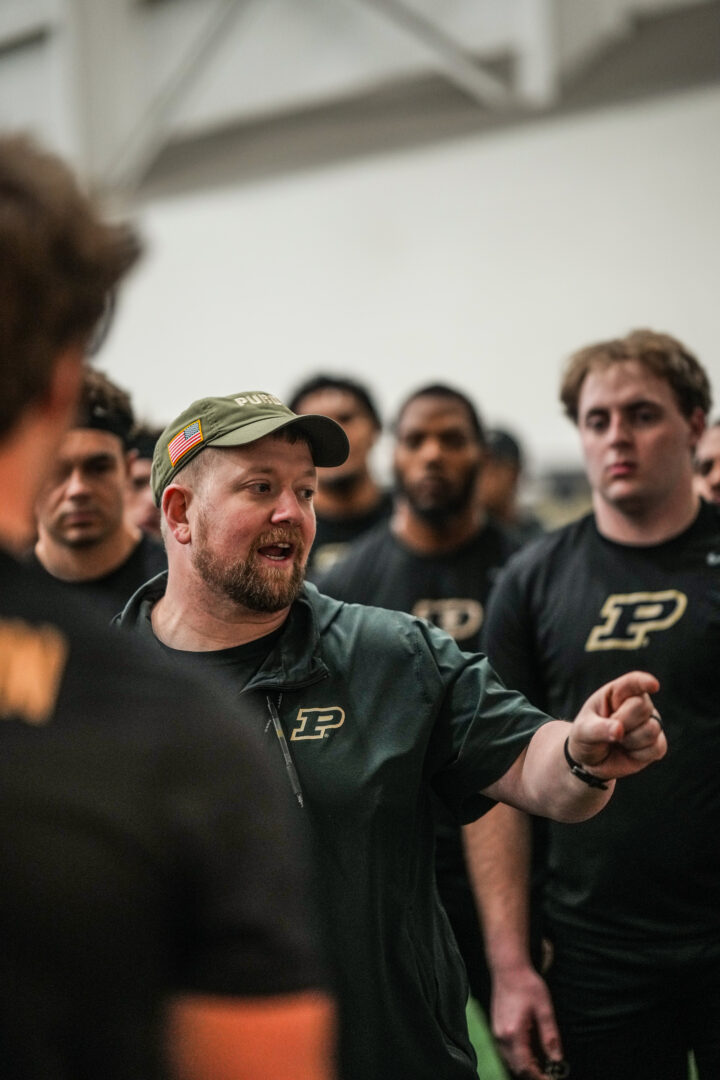
Nate found himself thinking in terms familiar to anyone who works in strength and conditioning: What is the job? What needs to be done next?
His wife comforted Jack. He decided his job was to comfort her.
Nate made the phone calls. He arranged appointments. He handled the logistics. He drove to Indianapolis. He made sure the bills were paid, and the family kept moving.
“I’m the dad,” he says. “My job is to … make sure everything is done.”
That meant learning a new routine.
At first, the family was making trips to Riley twice a week. Eventually, they bought a vehicle better suited for the regular drive between Lafayette and Indianapolis. The practical details mattered because the emotional ones were overwhelming.
“You’ve got to be the dad. You’ve got to be the father of the house,” says Nate, whose father, Brian, was Purdue’s wide receivers coach from 2006-10 under coaches Joe Tiller and Danny Hope.
That didn’t mean he didn’t cry. He did. He still does when he talks about it.
“Even two years later, you’re still teared up thinking about it,” he says.
A plan amid the chaos
The first days were a blur.
Jack spent more than a week as an inpatient. There were bone marrow biopsies, blood transfusions, and treatment. The family was surrounded by other children fighting cancer. It was chaotic.
But amid the uncertainty, Riley gave them something they desperately needed: a plan.
Within minutes of the diagnosis, their doctor sat them down in front of a whiteboard and walked them through the treatment process. Every phase.
What was coming. What it would look like. What it might feel like.
“She answered every question that we had with confidence and with certainty of at least what we can expect if everything goes the way it’s supposed to go,” he says.
Thankfully, it largely did.
There were one or two setbacks over the course of treatment, he says, but the family was able to respond to them. Their support extended beyond the hospital. Purdue rallied, too.
The Ross-Ade Brigade helped raise money for the family. Players and coaches reached out. Purdue basketball standout Fletcher Loyer contacted him. Matt Painter checked in.
The Purdue football staff supported his need to be with his family.
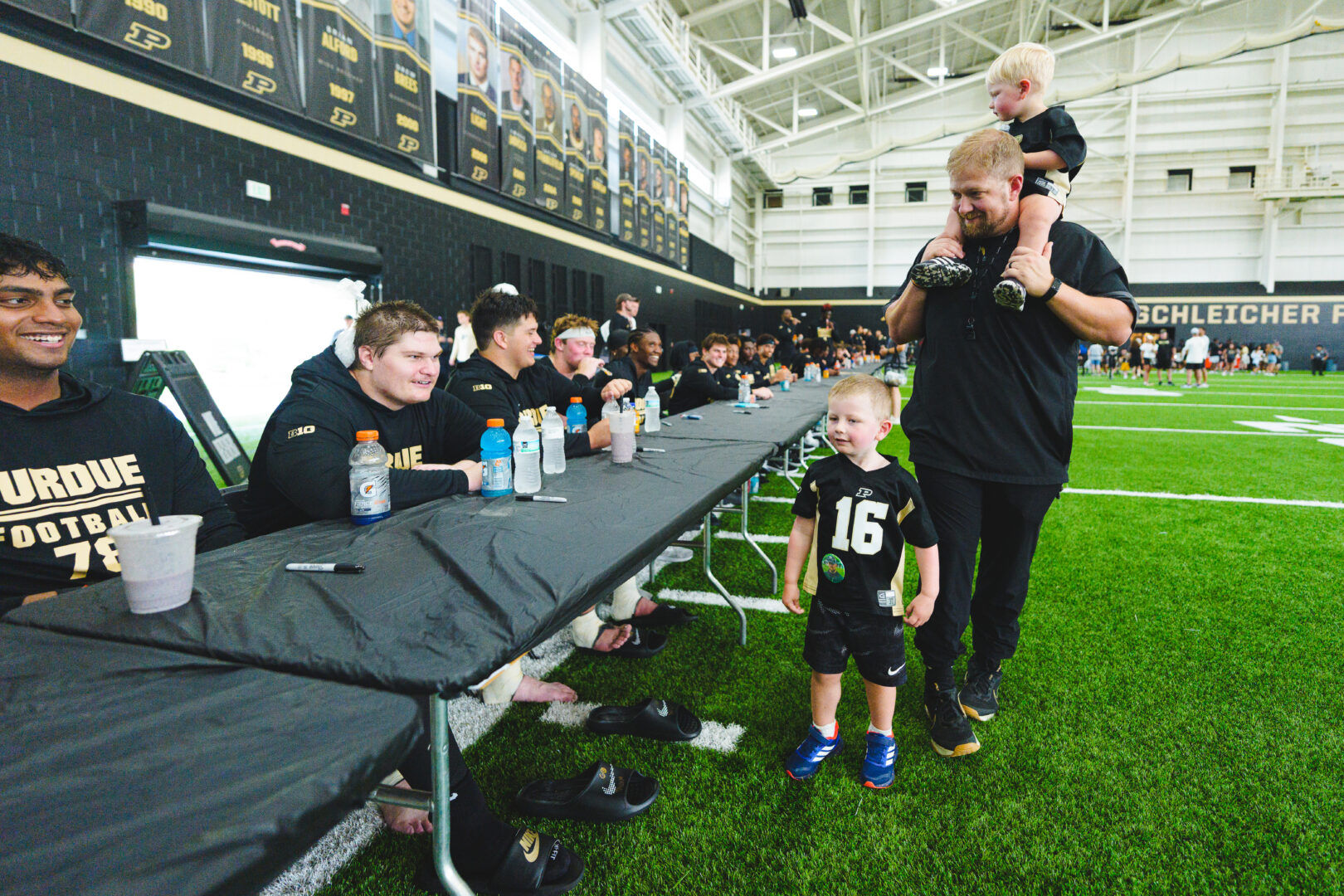
On the Friday before Purdue played Indiana that November of 2023, he returned to the facility. The next day, after the game, he received the game ball. Those gestures stayed with him.
He remembers the other families at Riley, too.
Some children had parents who couldn’t always be there because of jobs and other responsibilities. He never took for granted being allowed to stay beside his 18-month-old son.
“That was a big deal,” he says. “A real big deal.”
The next chapter
Jack Thomas Rock is a healthy 4-year-old attending preschool today. Before this season’s Indiana State game, Jack served as the Riley Children’s Health Kid Captain.
His parents know better than most that “healthy today” doesn’t eliminate tomorrow’s uncertainty.
There are still checkups every few months. There is still the wait for the results. There is still the two-year milestone ahead. But something that wasn’t there on Nov. 16, 2023, is there now.
Perspective.
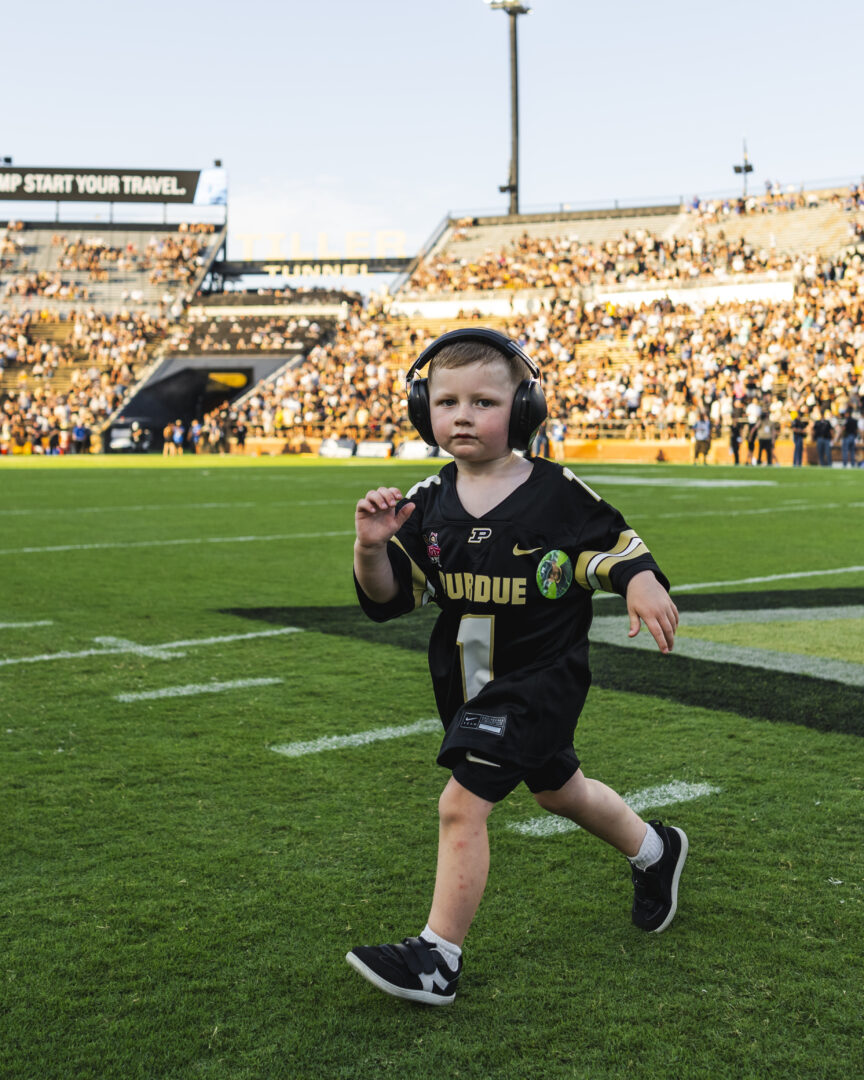
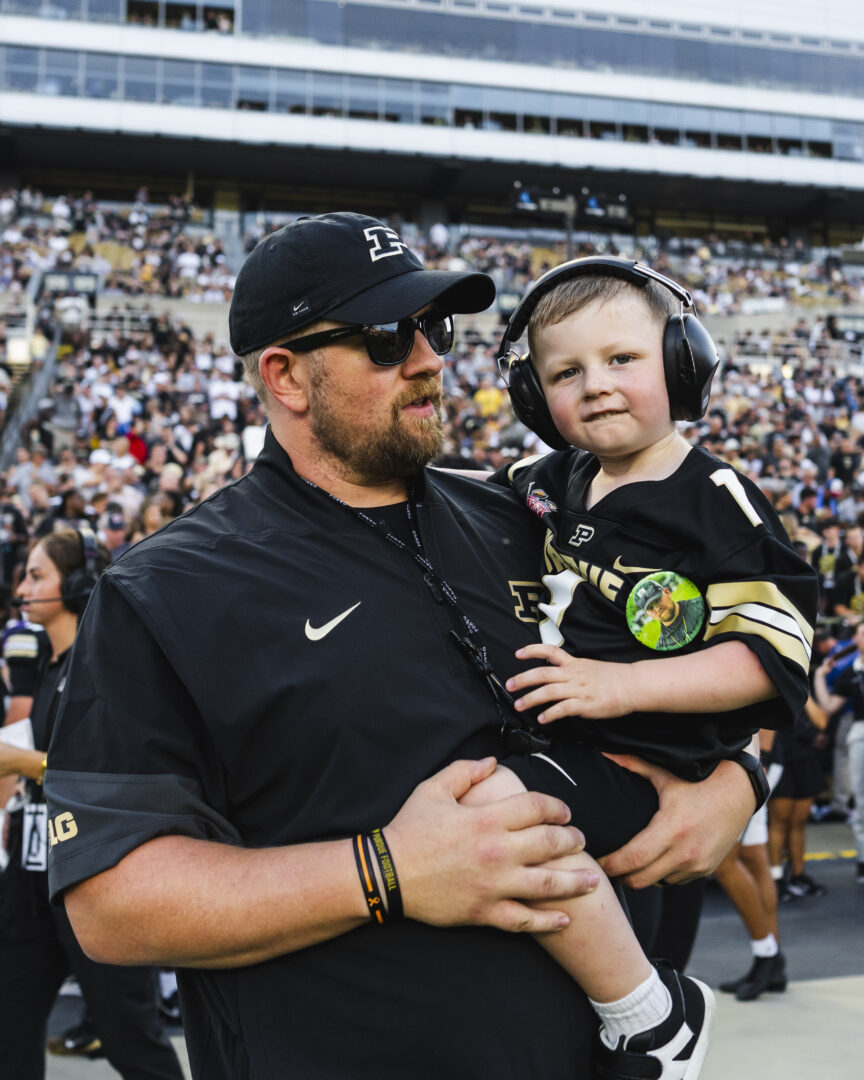
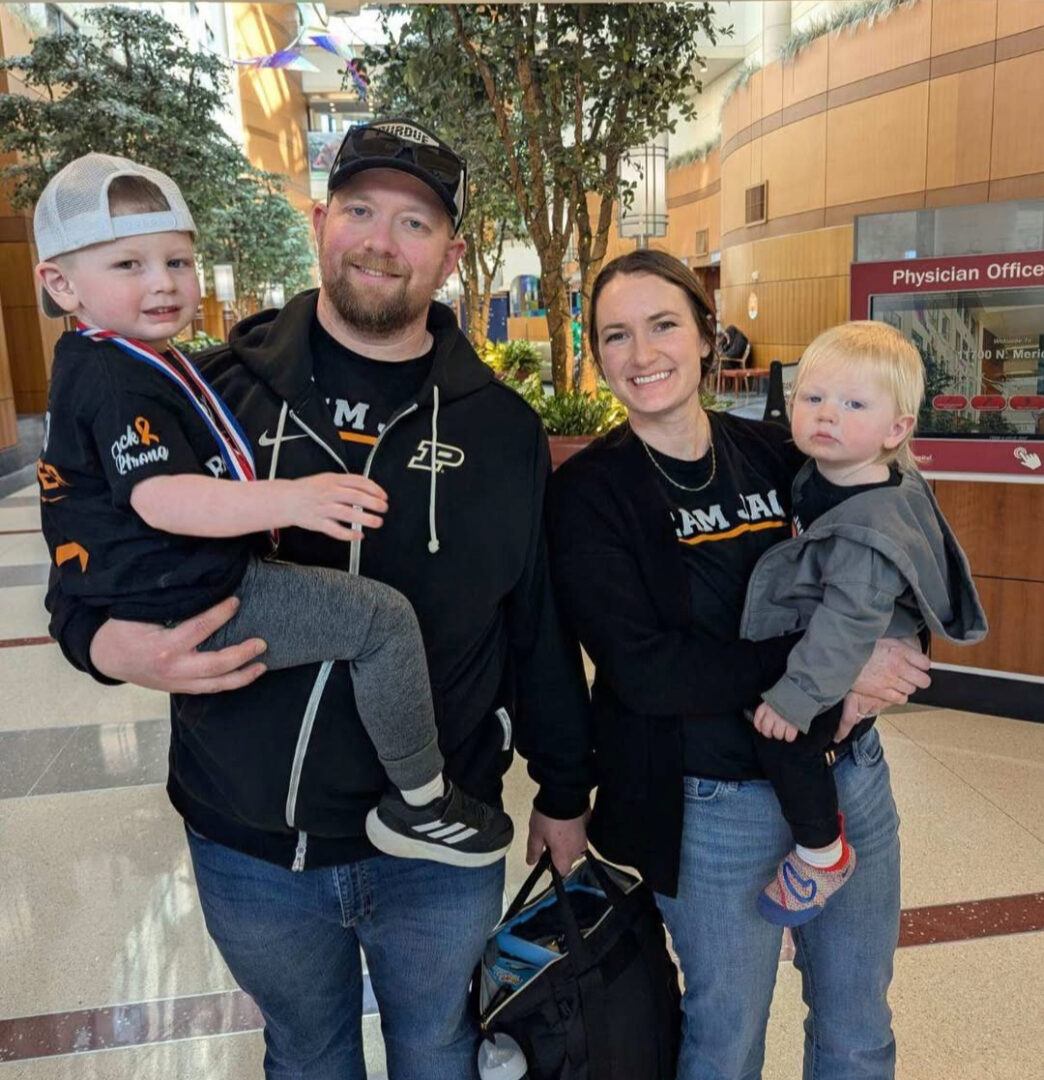
The family has made it through treatment. Jack has grown. He has a younger brother, Charlie, who will turn 2 in January.
And his father has a different appreciation for the ordinary moments. The diagnosis forced him to grow up quickly. It taught him that sometimes being strong has nothing to do with the weight on a barbell or what happens inside a weight room.
Sometimes strength is making the next phone call. Sometimes it’s driving to Indianapolis. Sometimes it’s comforting your wife when you are scared, too. Sometimes it’s simply being there.
And sometimes, after two years of fighting, it is ringing a bell together and realizing that the next job is to help somebody else.
“We had so many people helping us at the time,” Nate says. “I hope that we can instill in him that we can return that back to people as he grows up.”
Written by Tom Dienhart of GoldandBlack.com