Shondell makes history
Volleyball coach Dave Shondell surpasses Gene Keady to become the all-time winningest coach in Purdue Athletics history.
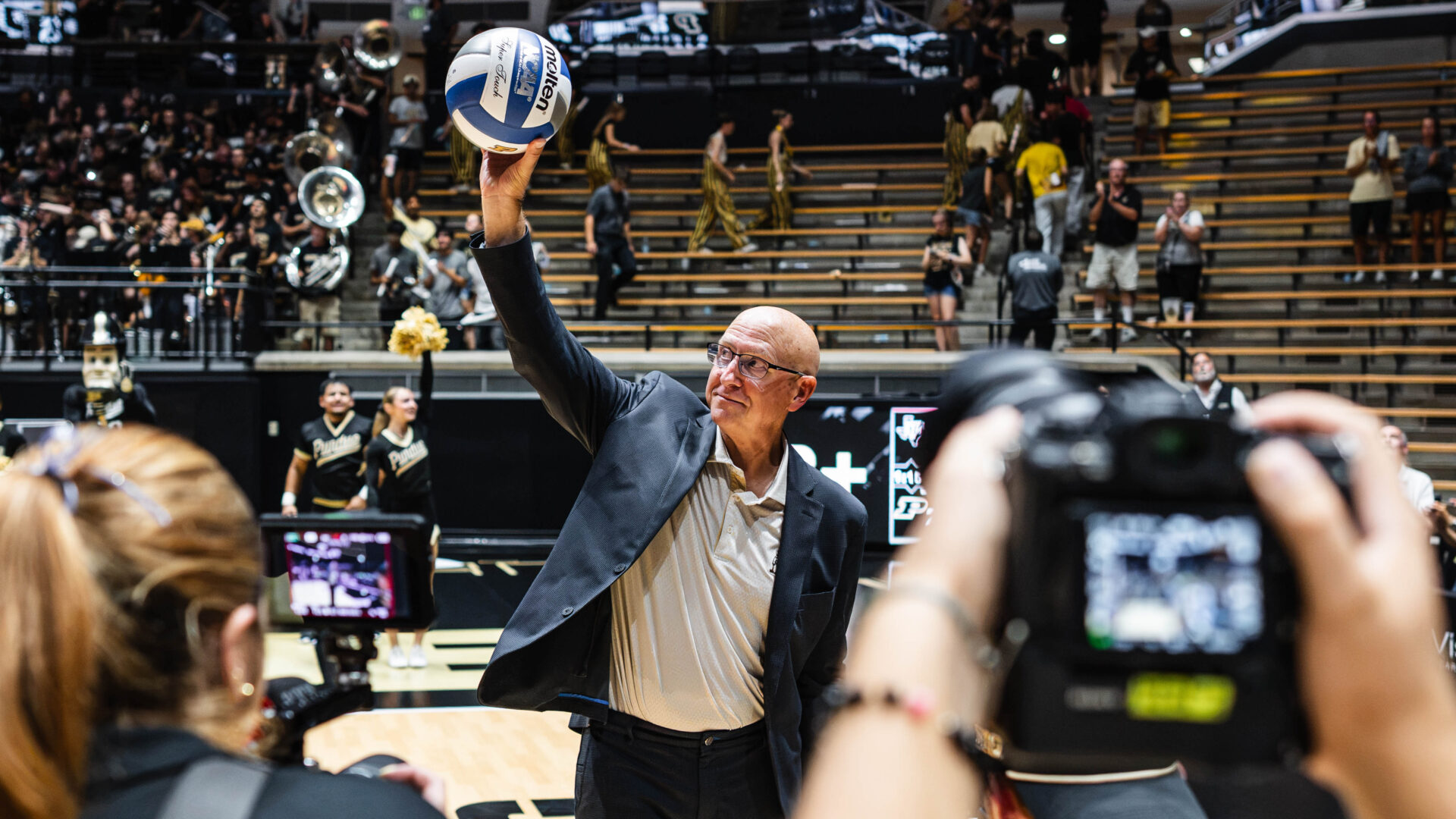
When the victory total flipped from 512 to 513, it made Purdue Athletics history.
It was more than another win against a ranked foe for Purdue volleyball. Much more.
With the Boilermakers’ three-set decision over No. 12 and defending national champion Texas A&M on Sept. 1 in a sweltering Mackey Arena, head coach Dave Shondell surpassed Hall of Fame men’s basketball coach Gene Keady as the winningest coach in 139 years of Purdue sports competition.
And Shondell’s connection with Keady made it even more impactful and meaningful for the newly minted wins leader.
“I have great respect for Gene Keady and what he represents, and what he means to this community,” says Shondell, who shares a bit of the old-school approach that Keady projected during his 25-year run at Purdue from 1981 to 2005. “The fact that the guy’s still around here, and not only is he still around here, but he’s also still loved by everybody. And best of all for our program, he comes to all our matches. It means the world that I am mentioned in the same sentence with someone like Gene Keady.”
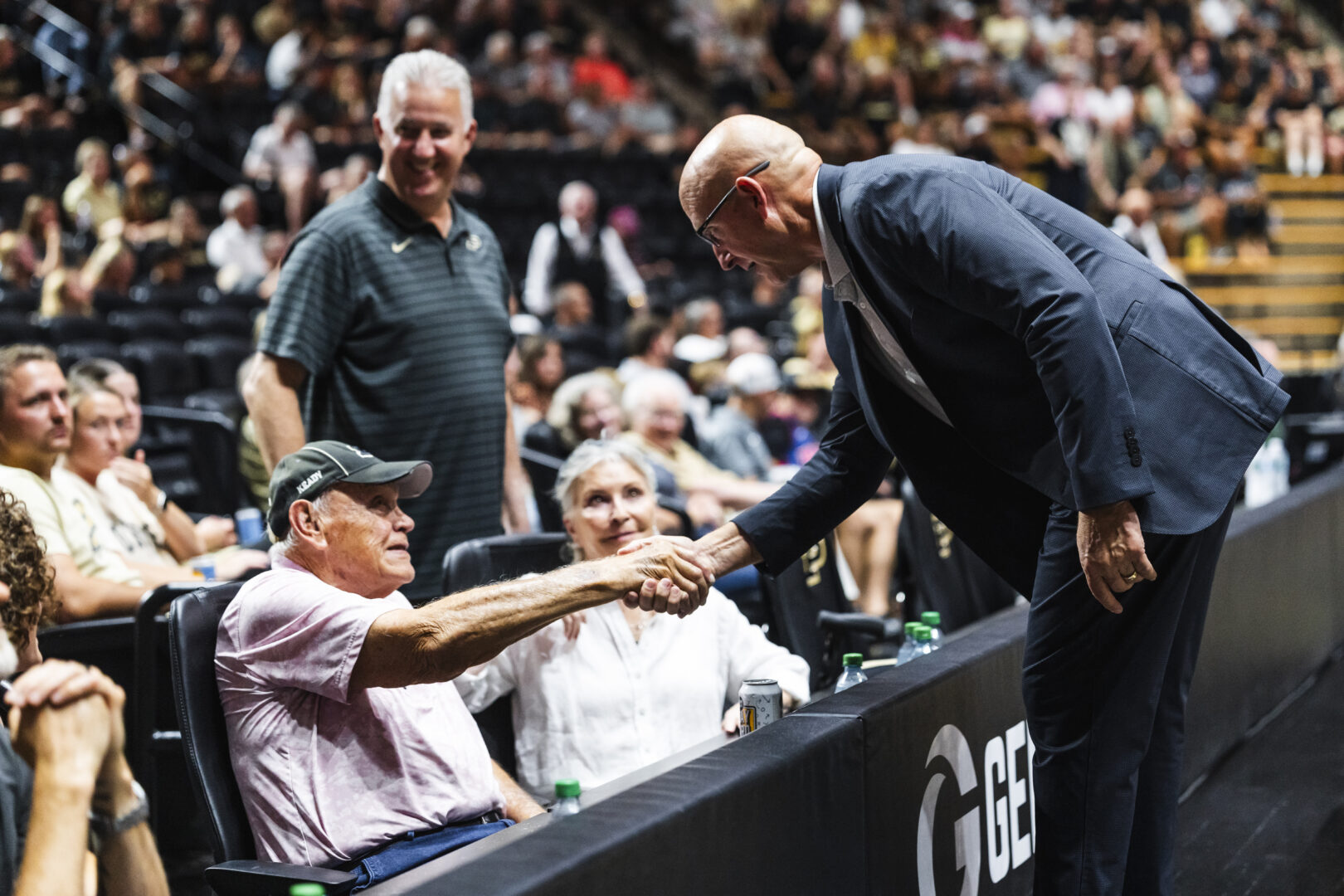
Not surprisingly, Keady, who turned 90 on May 21 and was in attendance on the momentous night, says his admiration for Shondell’s program is deep rooted.
“I just love the way he runs his program and the way he handles his kids,” Keady says. “He lets them play, lets them be themselves and play the game the way their hearts tell them to. He is great at getting the best out of them.
“I consider it a great compliment that some draw comparison to the way I coached and the way Dave coaches. It is an honor to have Dave break my record.”
Staff stability has been key
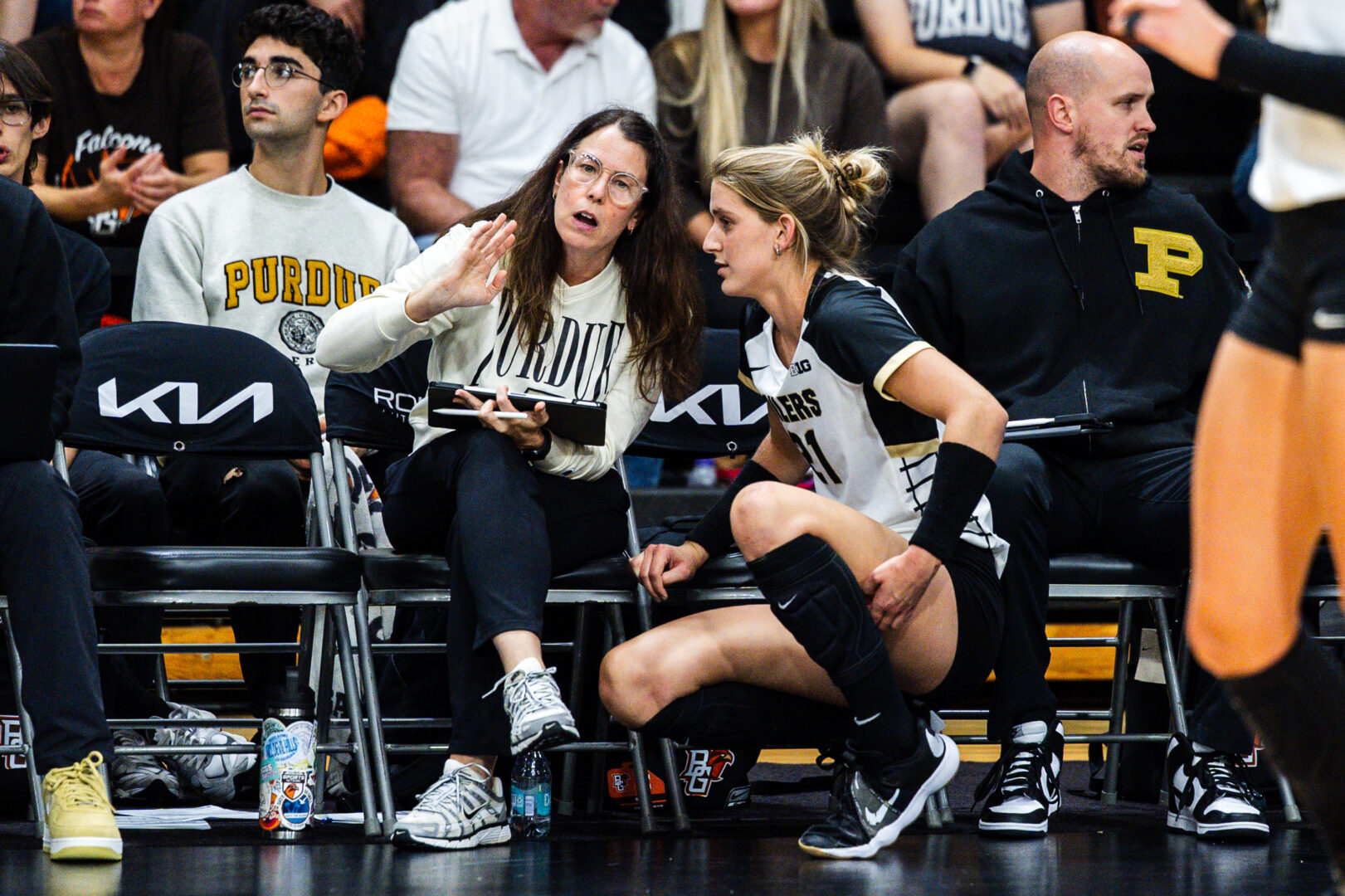
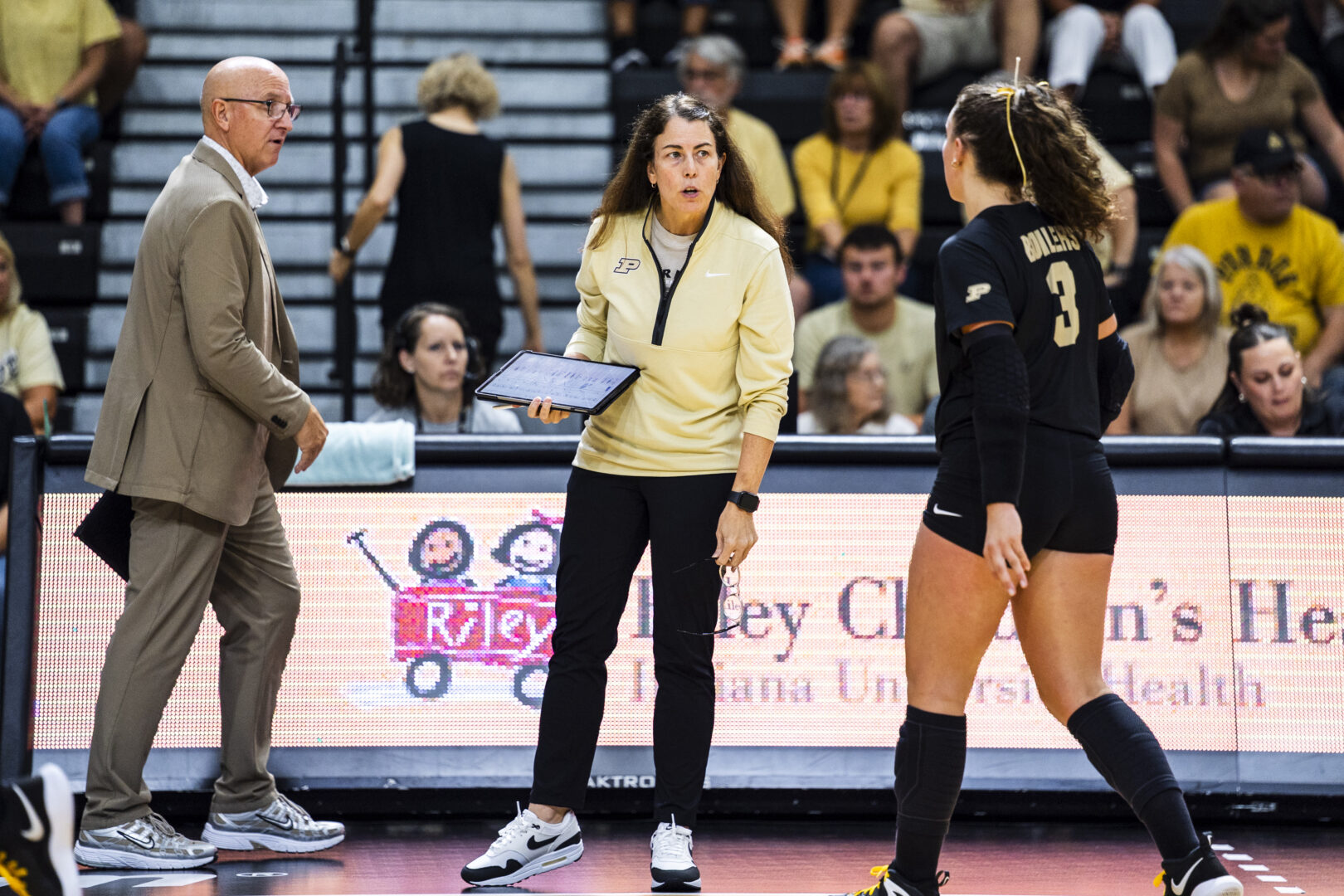
Keady and Shondell share many winning attributes, with loyalty being the word that might best describe both. Keady had stability in his assistant coaching ranks as Bruce Weber was on the Mackey Arena bench for Keady’s first 18 years. That’s good but doesn’t approach the continuity Shondell has enjoyed over the past 24 seasons. Assistant Kathy “Kat” Jewell has been on the Holloway Gymnasium sideline for the entire time, while Shondell’s brother, John, was a fixture for his older sibling’s first 21 years and now is an assistant at Wisconsin.
Keady and Shondell are both lunch-pail-type coaches that thrive on production and not fanfare. The common bond is results on the court. They also live by the mantra “tough times never last, tough people do.”
“Dave deserves every bit of recognition that he has received,” junior defensive specialist standout Ryan McAleer says. “This man is truly everything to us, but also everything that the university hopes to embody, and especially our athletics department.
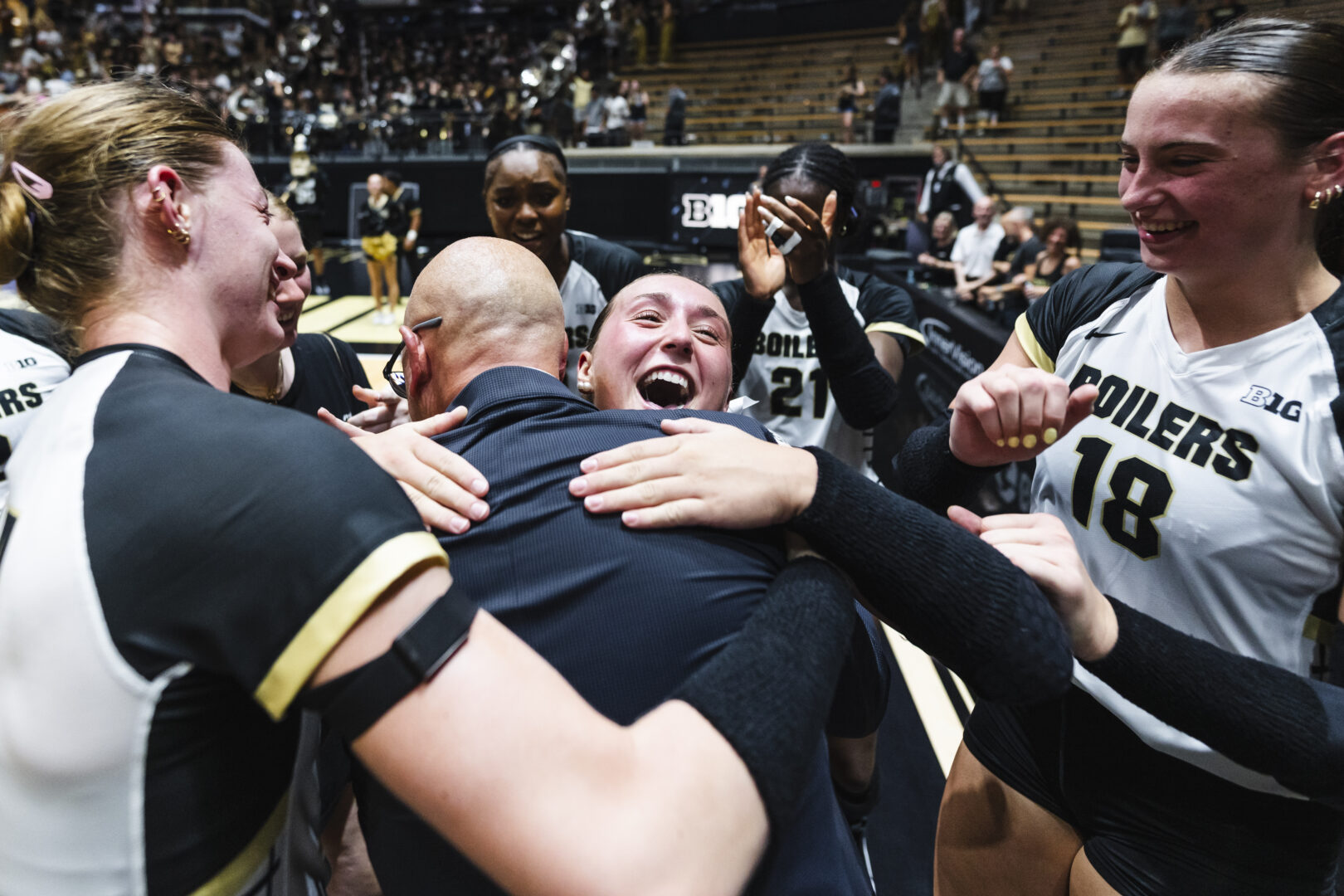
“But Dave would be the first to admit that none of this would happen without Kat. We’d be drowning without her, and the fact she won National Assistant Coach of the Year in 2025 was so awesome. They are a great team working together, and it makes for an environment of knowing what to expect.”
Jewell, who has had numerous opportunities to move on, has thrived at Purdue because she has so much respect for her boss.
“He’s a worker,” Jewell says. “He knows how hard he has to work and what he has to put in to be successful and to be a really good head coach.”
Thriving amid the ups and downs
And those tough times? The Boilermaker program was rocked 20 months ago when four starters transferred, a clear example of the sometimes transient nature of student-athletes in the current state of college athletics. This season, the Boilermakers continue to succeed when faced with adversity, as AVCA National Player of the Year Watch List honoree Kenna Wollard out for the time being while battling a medical issue. In an understatement, it forced Shondell and his team to mentally and physically adjust from the jump of the 2026 season.
“A lot of coaches, especially with all the success Dave has enjoyed here, would have bowed out after that happened,” Jewell remarks on the roster changes following the 2024 season. “Most would have said, ‘Peace out, I’m done,’ but instead he just put his head down and worked.”
And he adapted. It wasn’t easy at first, and Shondell had thoughts of calling it a career. Who could have blamed him with what he has built over the past two-plus decades at Purdue.
“He’s done a really, really good job at just adapting to the personalities that we have and knowing that people compete differently, and I think he’s been able to adapt his coaching style,” Jewell says.
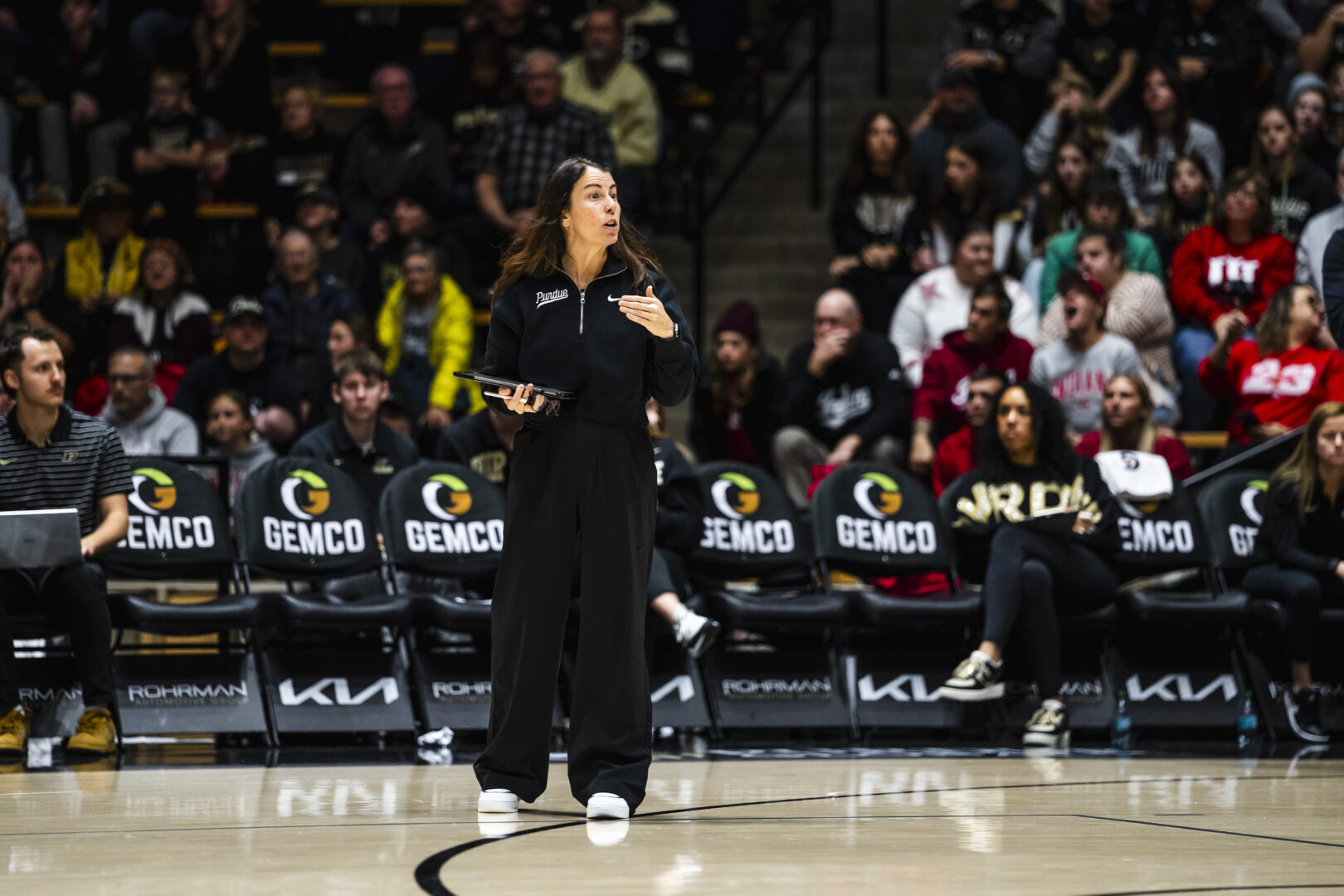
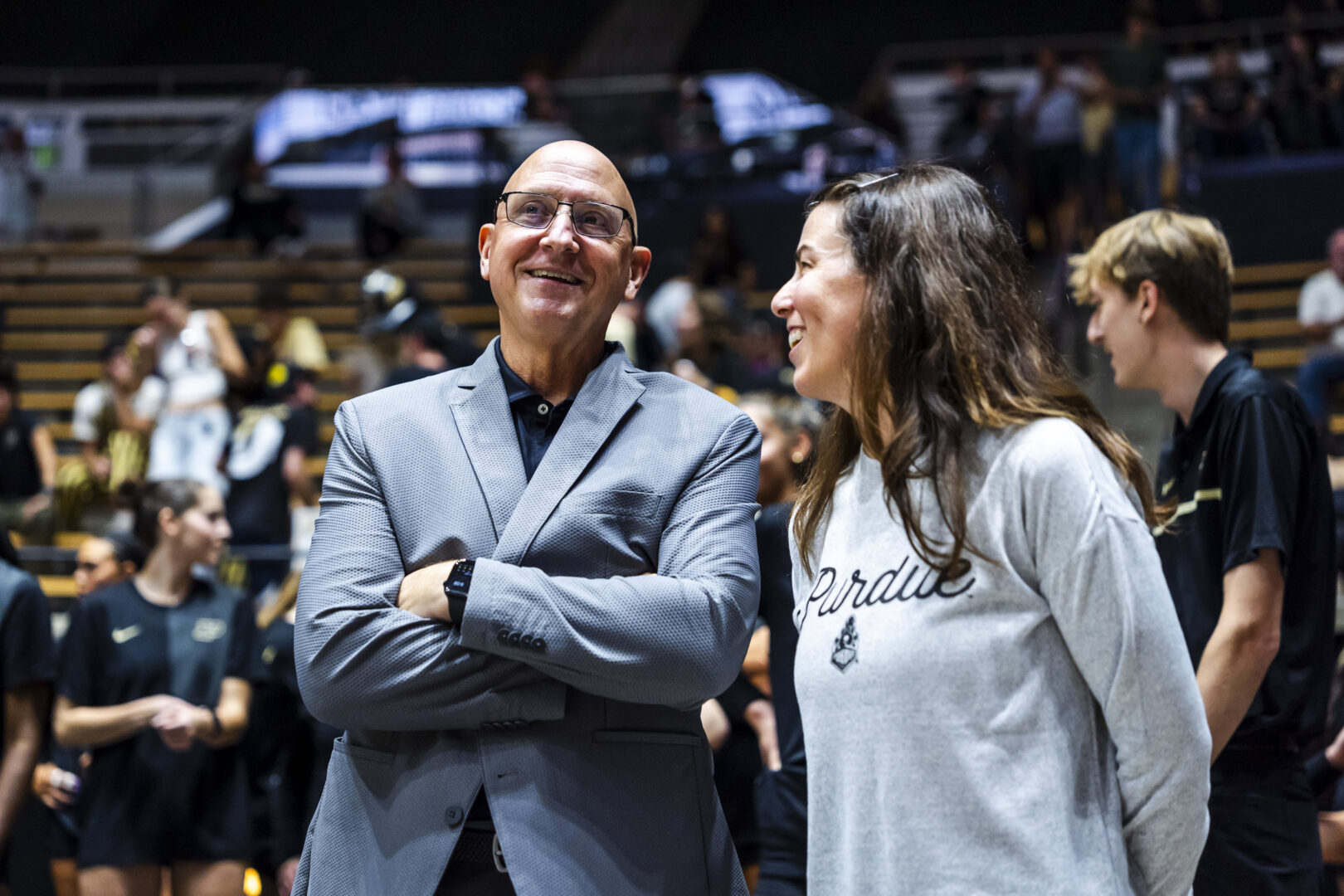
If you know Shondell, you know he is philosophical, if not nonchalant, about giving himself any accolades for how his coaching methods have morphed over the years.
“I think you change, but every year you change,” says Shondell, who has won 68% of his matches at Purdue (514-241 record as of Sept. 3) and an even more impressive 60% in Big Ten play (276-183) in by far the best volleyball conference around. “I mean, I’m coaching this team differently this year than how I coached the team a year ago.”
Shondell inherited a Boilermaker program that was outstanding under Hall of Fame head coach Carol Dewey in the 1980s but had fallen to the bottom of the Big Ten in subsequent decades. And in 2003, when Morgan Burke was looking for a coach, the former Purdue athletics director was ready to make a calculated gamble, plucking Shondell from the high school ranks. The move raised some eyebrows at Purdue and in the college volleyball coaching world.
But it shouldn’t have.
Shondell, the son of Indiana volleyball royalty Don Shondell of Ball State fame, had loads of coaching experience among his great attributes, not the least of which was winning. He had posted nearly 600 victories at Daleville and Muncie Central, capturing four state titles in the process. But even a quarter of a century later, Shondell remains grateful for the opportunity, as well as hopefully relaying an important message.
“I am forever indebted to Morgan for taking a chance on me,” says Shondell, 68, who in January signed a four-year contract extension that will keep him as the Art and Connie Euler volleyball coach through 2029. “The fact that it has succeeded hopefully sends some kind of a message to other people that high school people can coach.”
The high moments for Shondell? Earning an NCAA Tournament bid in just his second season, when his team was the last one named when the field was selected, may have been the first of many.
“I will never forget that; I assumed up until the last moment we weren’t going to be selected,” Shondell says with a smile, remembering that the Boilermakers were entrenched on the tournament bubble. “And not only were we selected, but we beat the host school (Colorado State) on its home court.”
That set the tone for Shondell’s impressive success in NCAA play. He is 20-0 in NCAA first-round matches, has made 13 regional semifinal berths and five trips to the regional finals. In the process, he has mentored 25 All-Americans and 55 All-Big Ten selections.
Words to live and play by
Shondell believes the 2026 Boilermakers are well equipped to earn his program its first trip to the Final Four and contend for the Big Ten crown. Its theme, “Ever Grateful,” is right out of the lyrics for “Hail Purdue.”
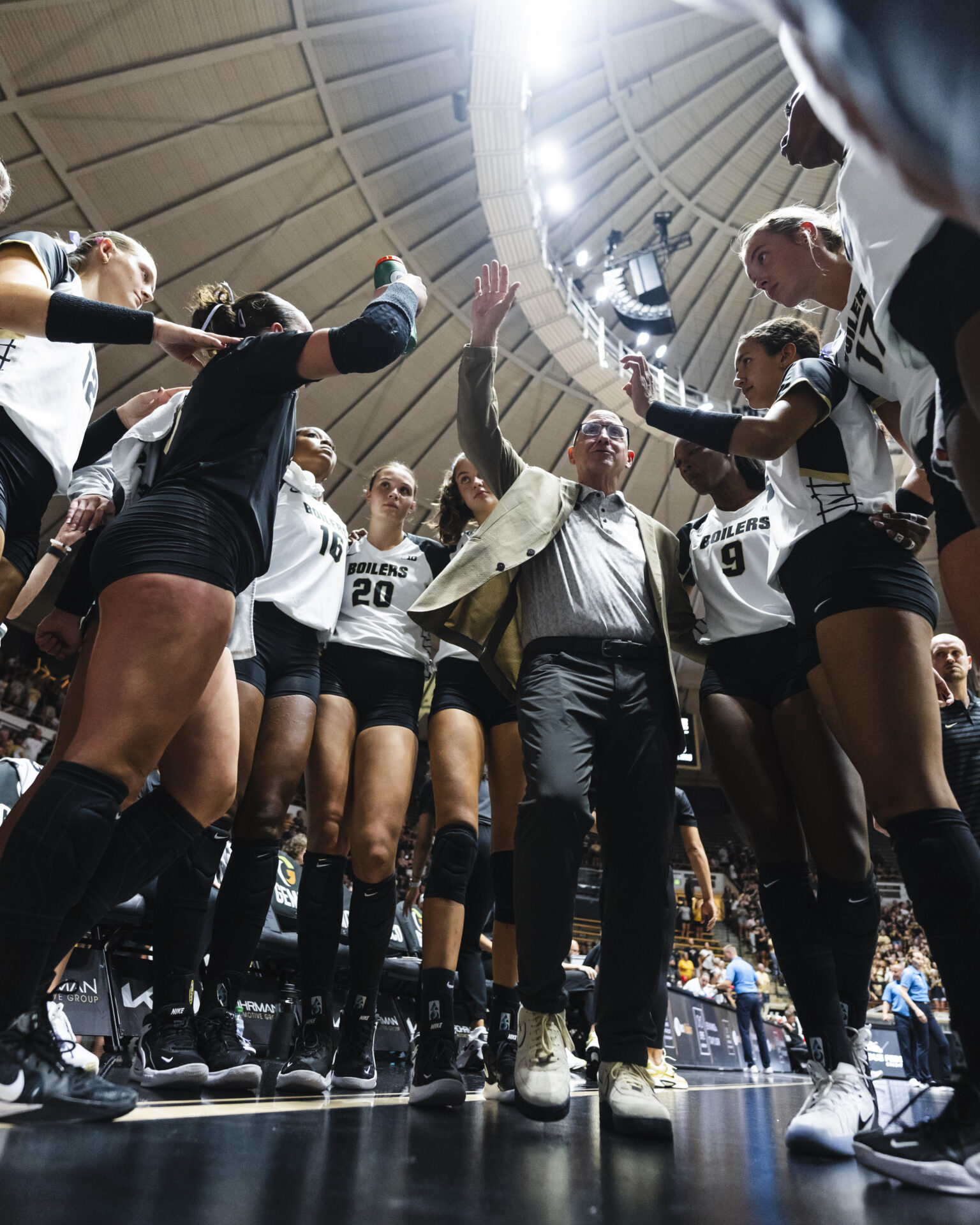
I will push this team harder because I know of its great potential.
head coach dave shondell on the 2026 Boilermaker volleyball squad
Shondell also knows the brave new world of college athletics where transfers, revenue share and NIL put an extra premium on always showing humility. And to have his teams compete their tail off . Last year’s somewhat surprising success, amidst the transition and turmoil, easily qualifies as a career highlight for Shondell. In fact, it might be at the top of the list.
“Our fans are the best, and we do not want them to think for one minute that the people who are still here on this team are not grateful,” Shondell says. “That’s why you see on our practice T-shirts, ‘Ever Grateful.’ It’s the way we practice and play.”
For McAleer, it sets the tone for Shondell and the program in every waking moment. “He embodies everything that we were last year and everything we strive to be,” McAleer says. “We strive for excellence, but we strive to also stay grateful through it all.”