The Next Giant Leap in Public Health

Faculty members are bringing diverse perspectives to public health at Purdue 

With a commitment to sustained advancement of diversity in research, thought and representation at Purdue, the Equity Task Force hired new faculty members in public health, health policy and health equity. In the fall 2022, 11 of them started their Boilermaker academic careers.  

Meet those part of a larger, multiyear hiring initiative that will expand our research, diversify faculty perspectives and promote a supportive community. 
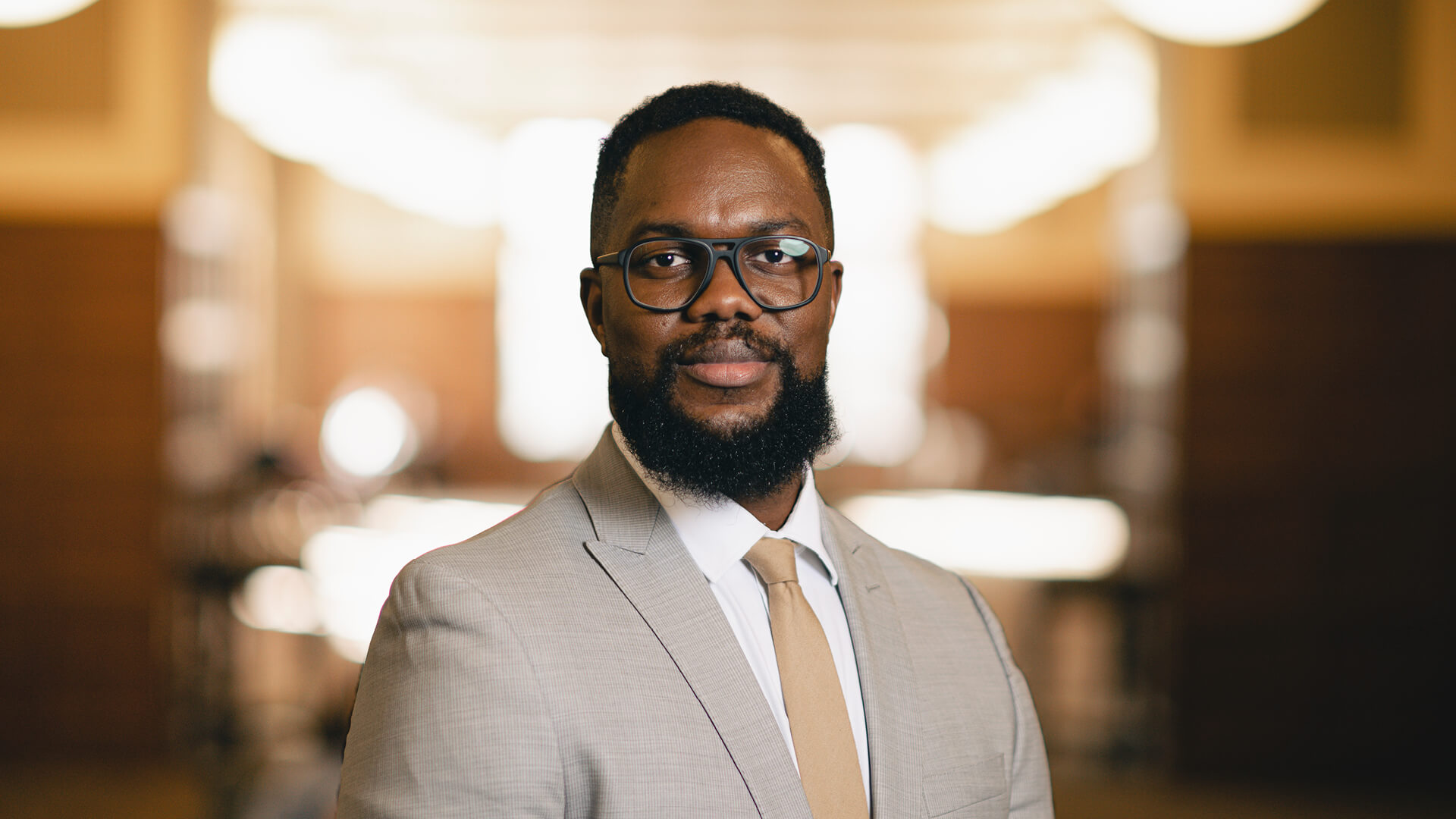
Carlos Mahaffey

Examining the role culture plays in medical distrust

Carlos Mahaffey grew up knowing about the Tuskegee syphilis study, in which researchers did not obtain informed consent from the 600 Black male participants who were denied penicillin even after it became widely available. For many Black Americans, the serious ethical issues that arose from the experiment created a legacy of mistrust in the medical community.

Learn More
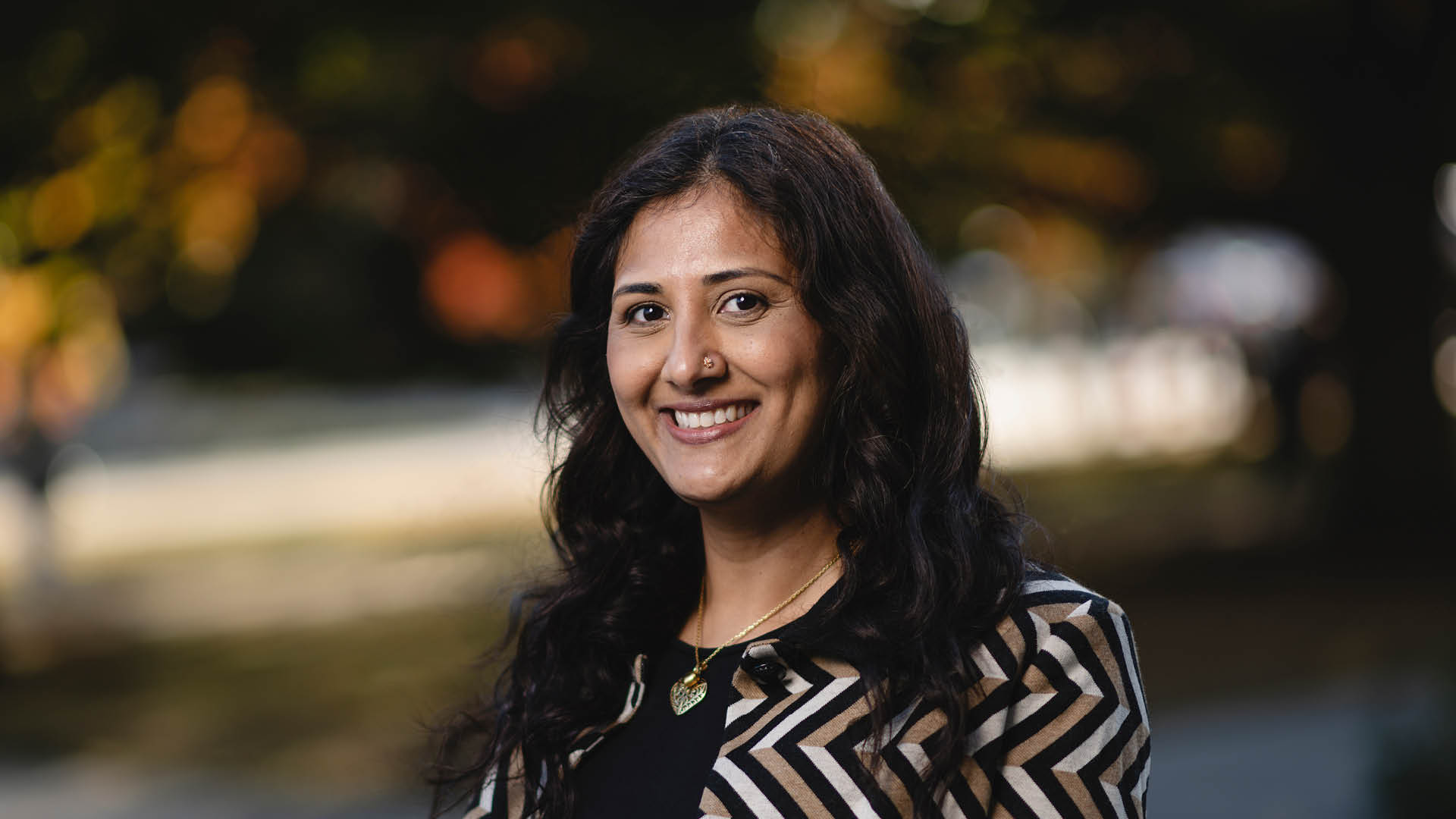
Afsan Bhadelia

‘Health care is a fundamental human right’

By the time she reached middle school, Afsan Bhadelia had lived in Asia, the Middle East, Europe and North America. With two parents trained in the medical field — her father is a neuroradiologist and her mother studied biomedicine — she gained early exposure to differences among health systems around the world.

Learn More
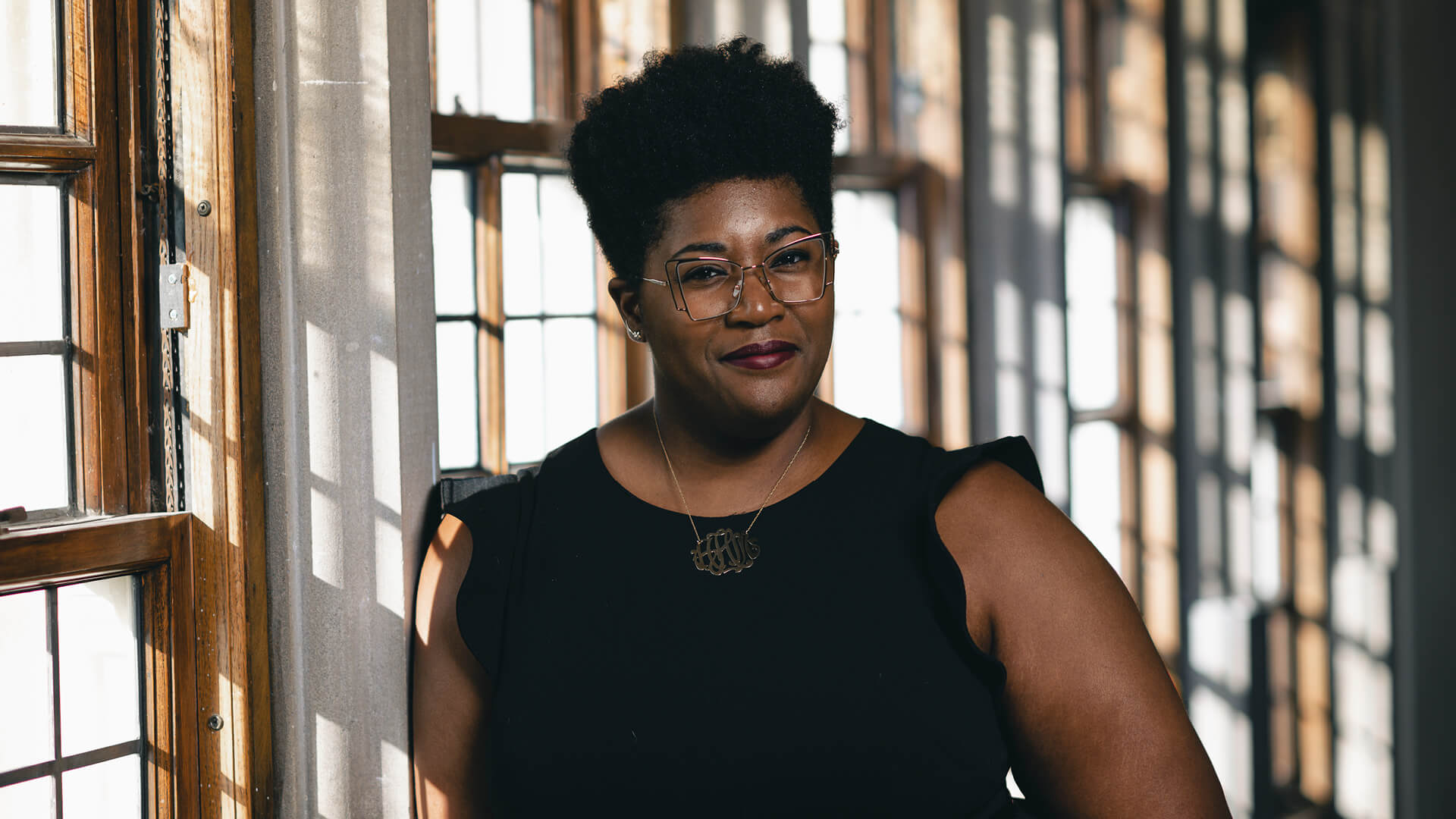
Andrea Hayes

Improving public health information literacy

Misinformation is rampant, and sometimes it’s difficult to separate fact from fiction. When it comes to public health, information literacy is critical to enable understanding and affirm credibility. “Information literacy is fundamental to public health,” says Andrea Hayes, an assistant professor and health and critical information literacy librarian in the Department of Libraries and School of Information Studies.

Learn More

Related Stories

No results found!

Afsan Bhadelia

article

‘Health care is a fundamental human right’

By the time she reached middle school, Afsan Bhadelia had lived in Asia, the Middle East, Europe and North America. With two parents trained in the medical field — her father is a neuroradiologist and her mother studied biomedicine — she gained early exposure to differences among health systems around the world.

Learn More
Patricia Wolf

article

Investigating the link between the gut microbiome and food insecurity

Growing up, Patricia Wolf, an assistant professor in the Department of Nutrition Science in Purdue’s College of Health and Human Sciences, was among the 10% of U.S. households facing food insecurity. “These experiences influenced my interest in researching how food insecurity might relate to health,” Wolf says.

Learn More
Michael Preston

article

Reaching rural residents with colorectal cancer screenings

Michael Preston, an assistant professor of pharmacy practice in Purdue University’s College of Pharmacy, seeks to understand the barriers that prevent individuals from seeking evidence-based interventions such as cancer screenings. He develops health initiatives that provide road maps for engaging communities that tend to be underrepresented, rural and under-resourced.

Learn More
Soojung Jo is an assistant professor in Purdue University’s School of Nursing.

article

Harnessing the power of social media for preventive health

Soojung Jo had just completed her master’s in nursing informatics at Seoul National University when the Middle East Respiratory Syndrome (MERS) outbreak spread through South Korea in 2015. At the time, Jo was working in the Gyeonggi Infectious Control Center, operated by the Korea Centers for Disease Control and Prevention.

Learn More
Bukola Usidame, assistant professor in the Department of Public Health at Purdue University.

article

Reducing tobacco use among industry-targeted populations

Bukola Usidame, an assistant professor in Purdue University’s Department of Public Health, researches socioeconomic disparities in tobacco use. “I’m particularly interested in the populations targeted by the tobacco industry which include low socioeconomic status, minorities and adolescents.”

Learn More
Faria Chaudhry

article

Redefining the role of pharmacist

Faria Chaudhry remembers the exact moment she decided to pursue a career in pharmacy. Home from college when her father started having a heart attack, Chaudhry raced upstairs to grab his medicine. “I didn’t know where my path would lead, but I knew I wanted to learn more about medications.”

Learn More
Paul Robbins

article

Understanding how Black families address health disparities

In the five years Paul Robbins taught high school math in South Carolina, he worked in two different schools, one sufficiently resourced and the other underfunded. The stark contrast between the opportunities available to students based on school resources motivated him to enroll in graduate school and pursue a career in academia.

Learn More
Andrea Hayes

article

Improving public health information literacy

Misinformation is rampant, and sometimes it’s difficult to separate fact from fiction. When it comes to public health, information literacy is critical to enable understanding and affirm credibility.
“Information literacy is fundamental to public health,” says Andrea Hayes, an assistant professor and health and critical information literacy librarian in the Department of Libraries and School of Information Studies.

Learn More
Haocen Wang

article

Promoting healthy behaviors in older adults

Although Haocen Wang didn’t know exactly what her research focus would be when she moved to the Midwest from her native China to pursue a PhD, she knew she wanted to work with older adults. Raised largely by her maternal grandparents, Wang felt a kinship with the older community from a young age.

Learn More
Carlos Mahaffey

article

Examining the role culture plays in medical distrust

Carlos Mahaffey grew up knowing about the Tuskegee syphilis study, in which researchers did not obtain informed consent from the 600 Black male participants who were denied penicillin even after it became widely available. For many Black Americans, the serious ethical issues that arose from the experiment created a legacy of mistrust in the medical community.

Learn More
Assistant professor of epidemiology Shandey Malcolm

article

Reducing risky sexual behaviors among youth

For a decade, Shandey Malcolm worked in the Ministry of Health for Turks and Caicos Islands, most recently as the national epidemiologist. Now an assistant professor of epidemiology at Purdue University, she leverages her expertise in epidemiology to find determinants of disease, distribution of disease and frequency of disease to prevent health problems.

Learn More