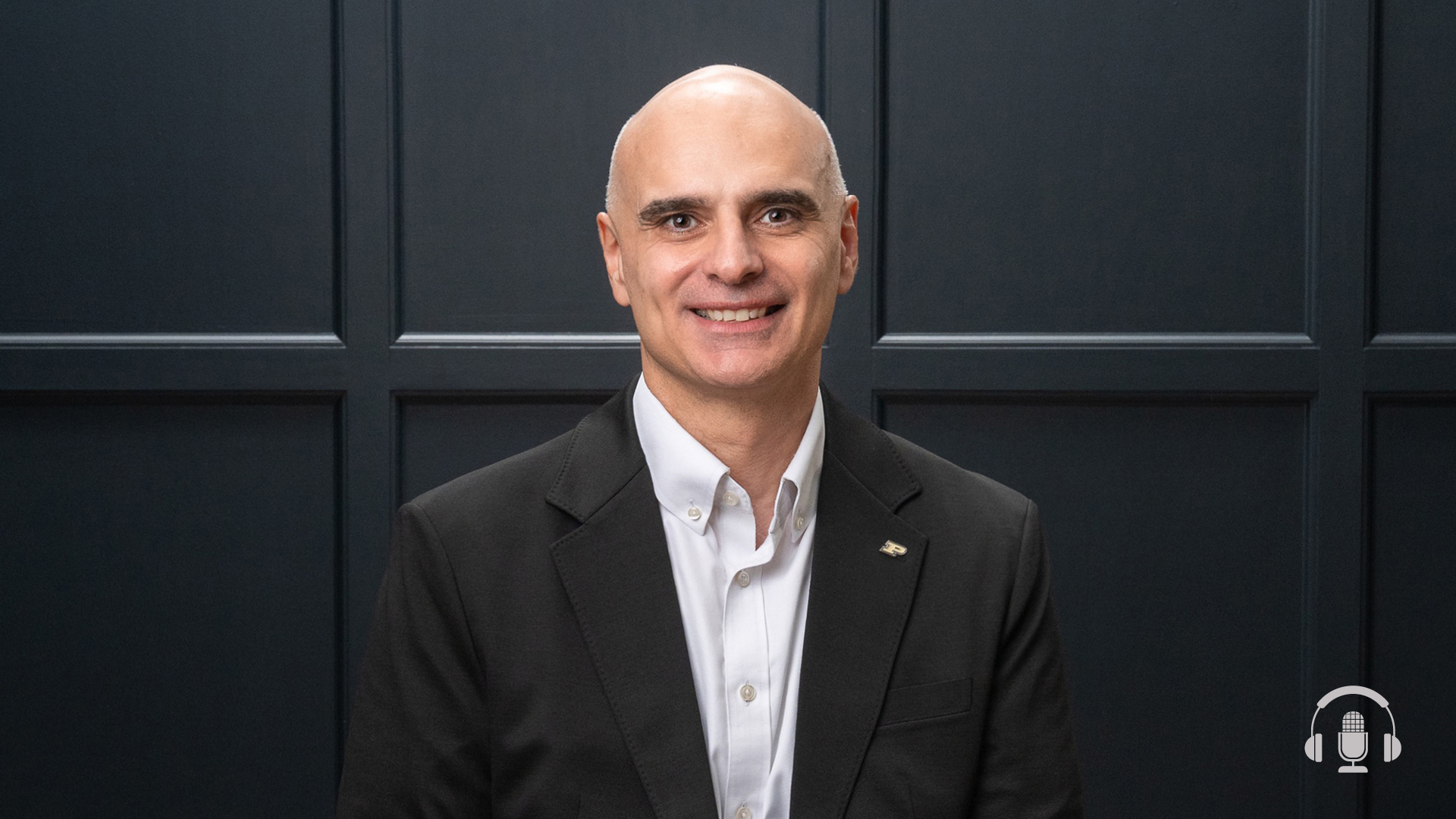
Podcast Ep. 145: Live from IND: Final Four and the Host City Experience

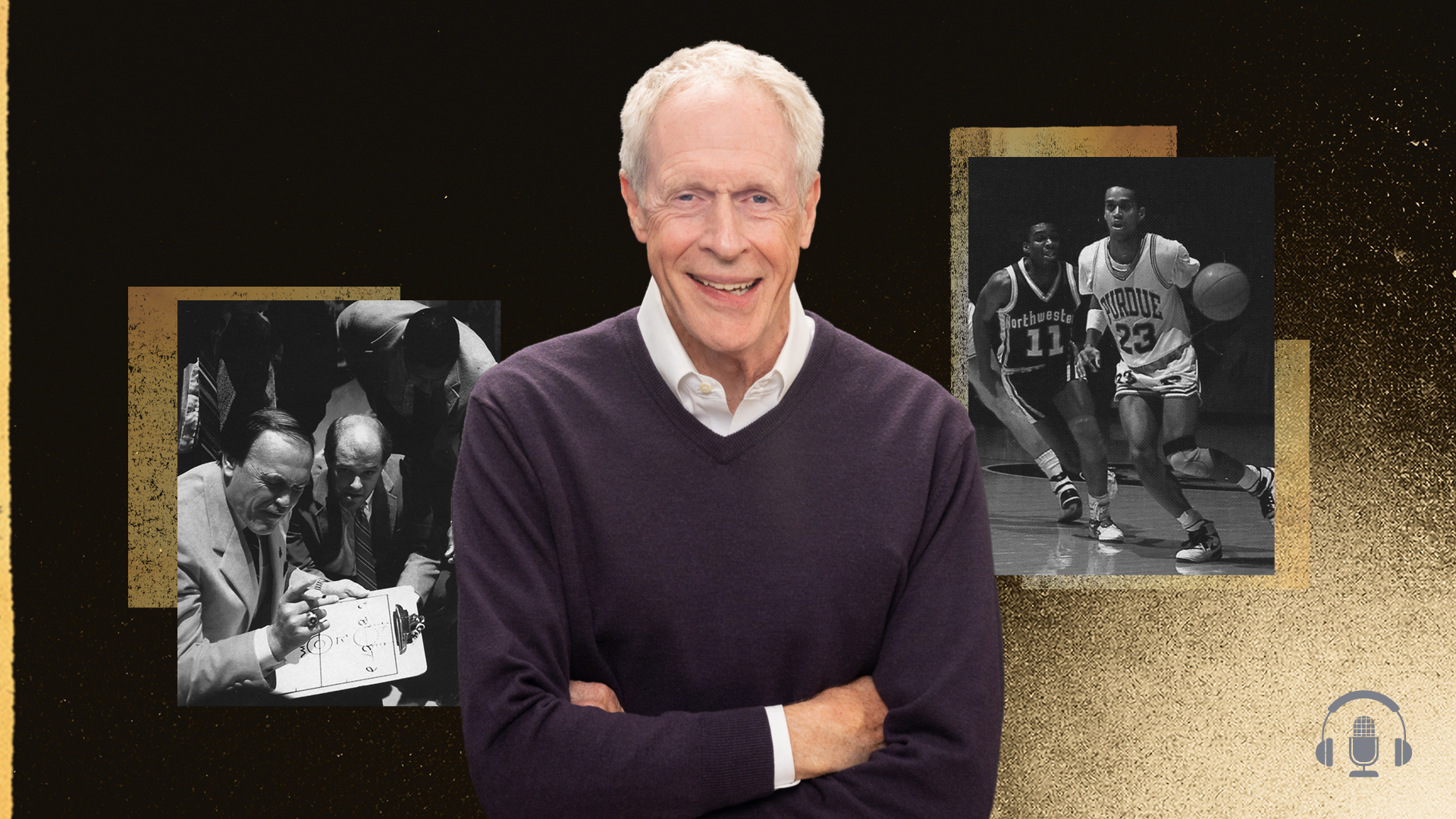
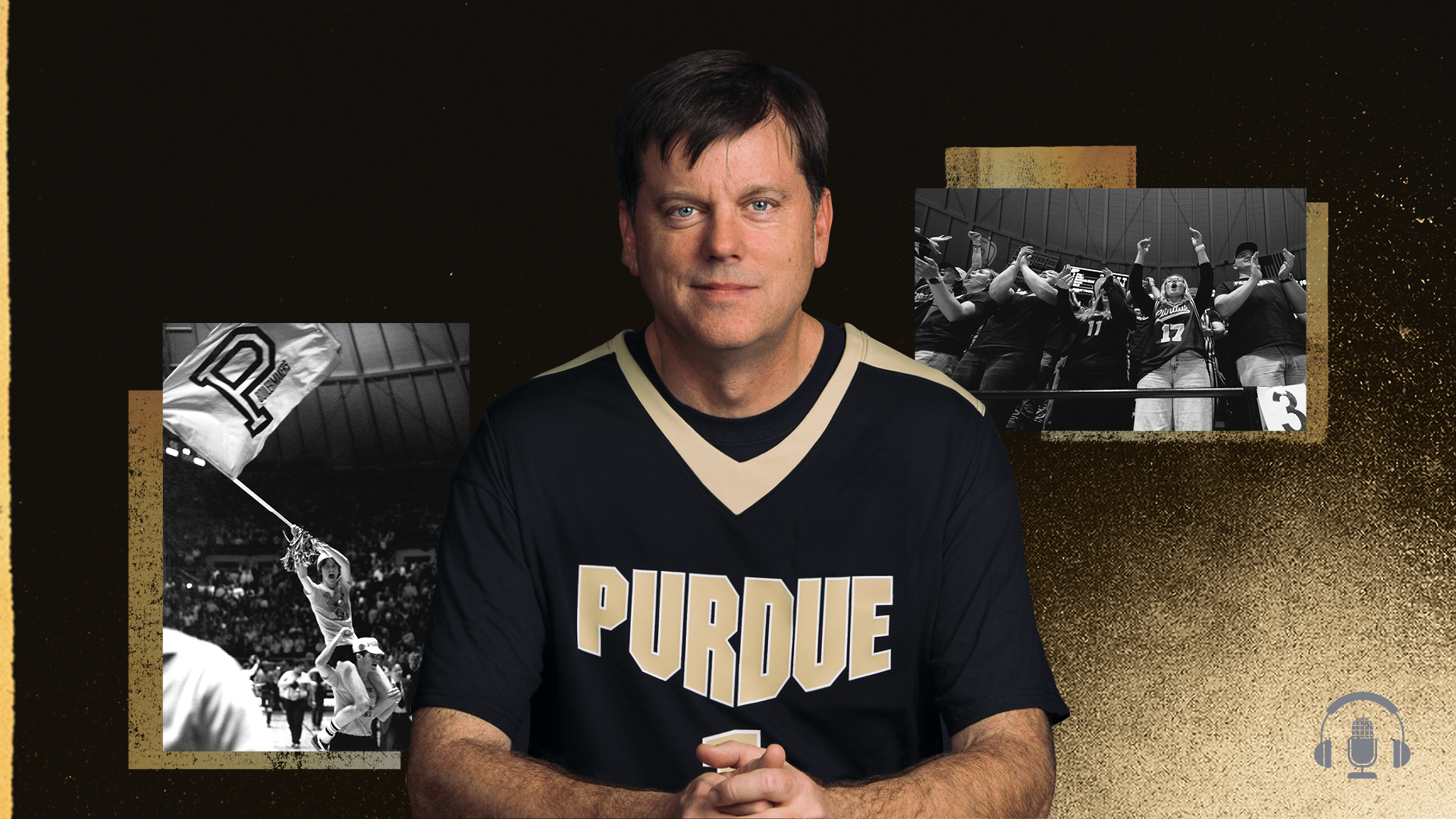
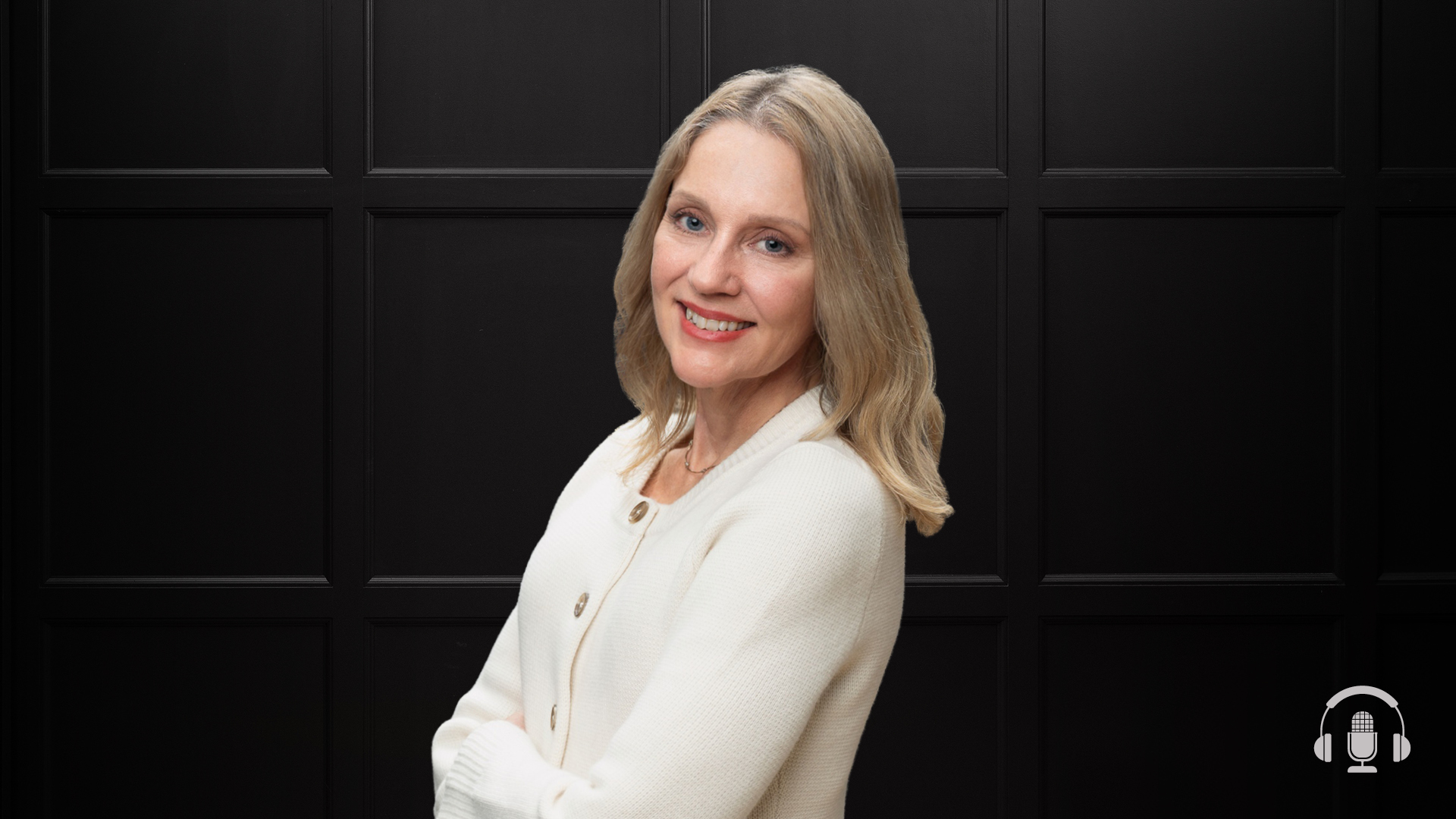
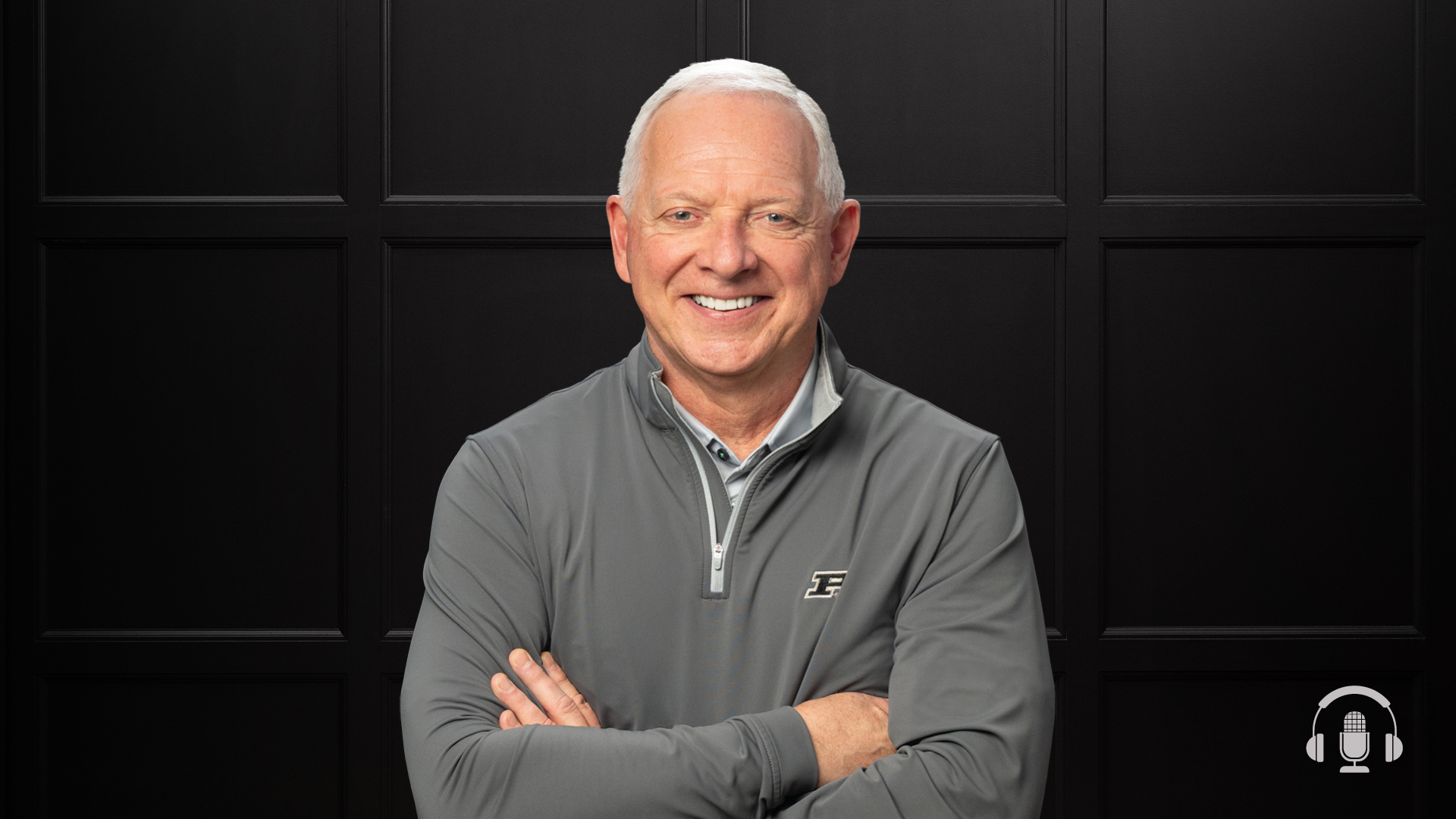
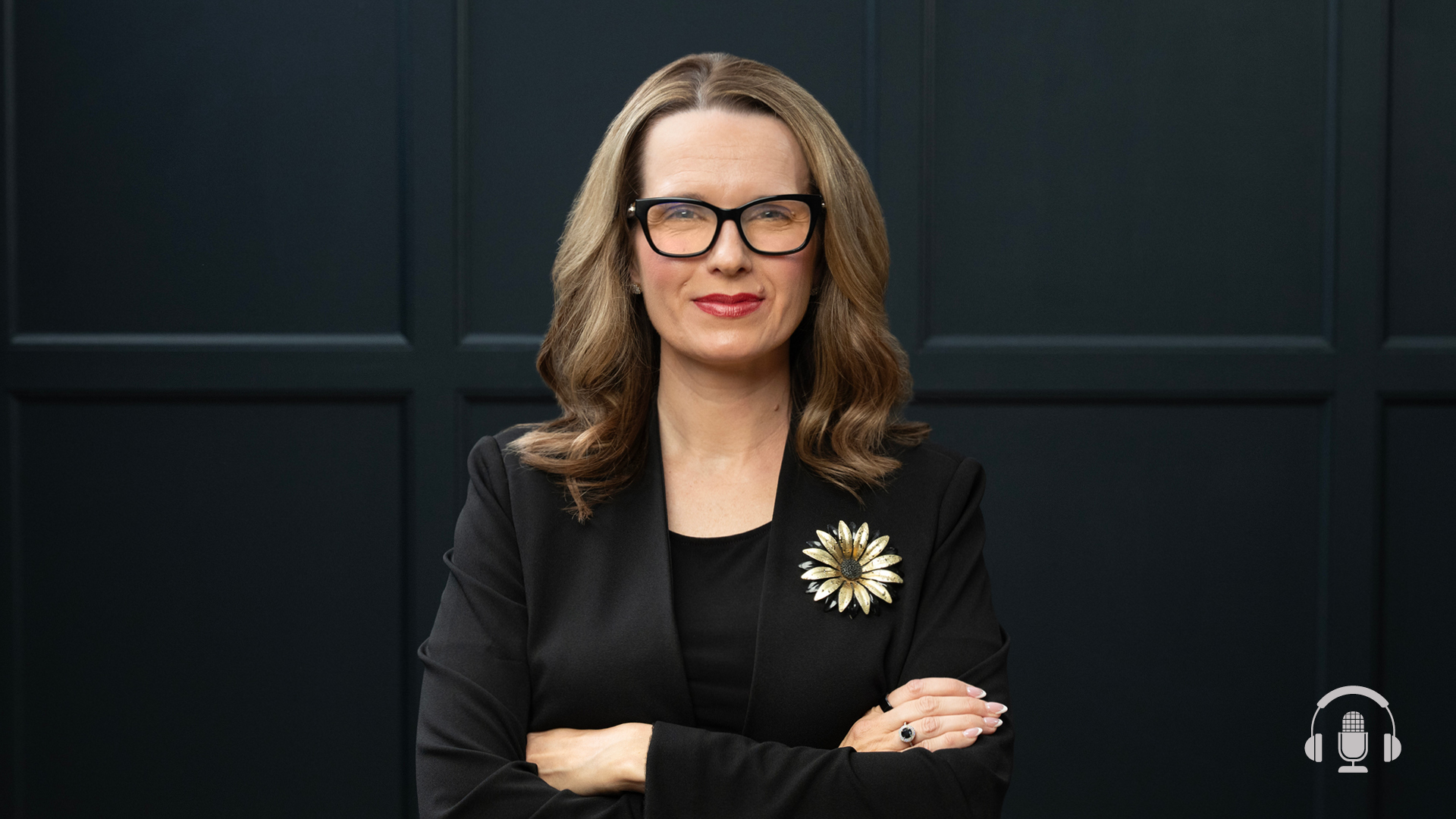
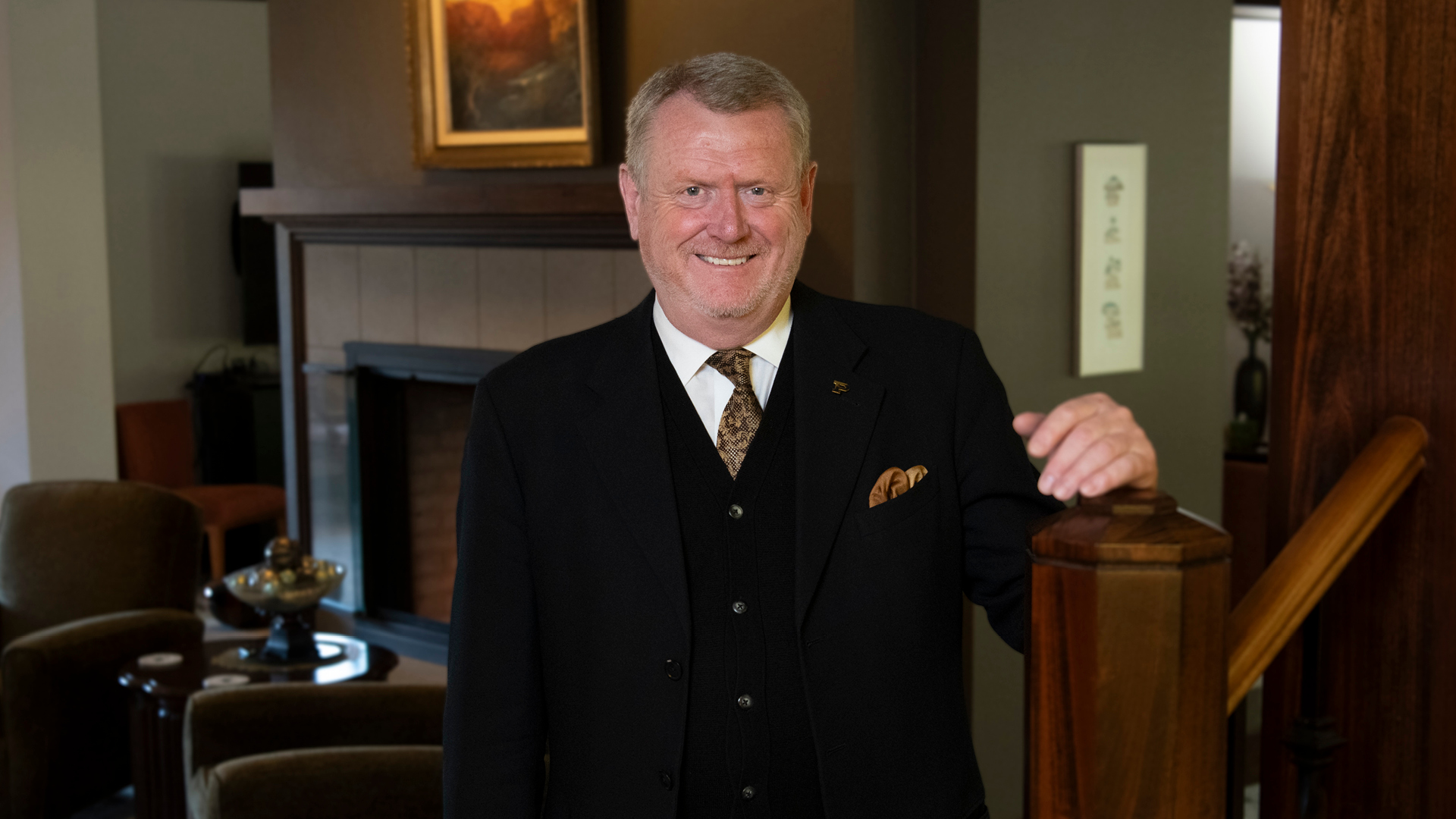
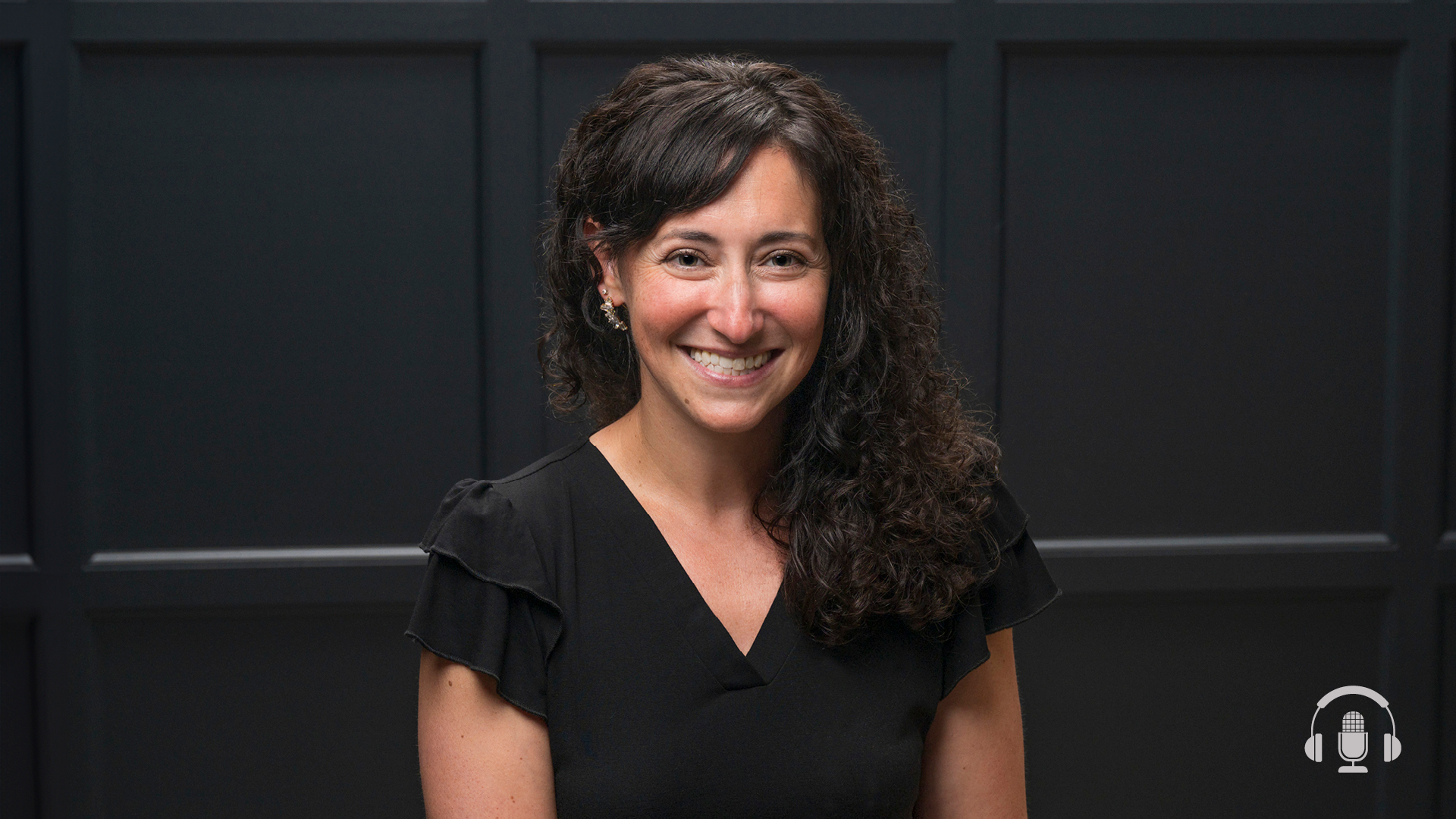
In this episode of “This Is Purdue,” we’re coming to you live from Indianapolis –– home to Purdue’s urban campus and this year’s host city of the NCAA Men’s Final Four! We’re talking to Ken Halpin, Purdue’s deputy athletics director and chief operating officer, and Julie Roe Lach, executive vice president of external relations and community engagement for Pacers Sports & Entertainment.
These two sports experts join host Kate Young at the Indianapolis International Airport as Final Four weekend kicks off to discuss how major sporting events like this connect basketball fans and elevate the Indianapolis economy and community as well as the unique culture and record-breaking successes of Purdue’s basketball program this season.
Join “This Is Purdue” as we celebrate the ninth time that the Circle City has hosted the Final Four. In 49 states, it’s just basketball, but this is Indiana.
Don’t miss this live episode filled with energy and excitement!
- Watch the live YouTube interview
- Learn more about Ken Halpin
- Learn more about Julie Roe Lach
- Learn more about Pacers Sports & Entertainment
- Learn more about Purdue men’s basketball
- Learn more about Purdue Athletics
- Learn more about NIL at Purdue
- Read more about Trey Kaufman-Renn’s Purdue journey
- Learn more about the NCAA Final Four in Indianapolis
Podcast Transcript
Kate Young:
Hi, I’m Kate Young and you’re listening to This Is Purdue, the official podcast for Purdue University. As a Purdue alum and Indiana native, I know firsthand about the family of students and professors who are in it together, persistently pursuing and relentlessly rethinking. Who are the next game changers, difference makers, ceiling breakers, innovators? Who are these boilermakers? Join me as we feature students, faculty, and alumni taking small steps toward their giant leaps and inspiring others to do the same.
Hi everyone. I’m Kate Young. Thanks for tuning in. I’m a proud boilermaker alumna and host of This Is Purdue. We’re coming to you live from the Indianapolis International Airport today where thousands of people across the country are coming in for the NCAA Men’s Final Four. I have two wonderful guests with me today. We have Ken Halpin and Julie Roe Lach. Thank you so much for joining me today.
We are going to talk all about how Indy is the place to host these amazing sports events. So first, Julie, thank you so much for joining us.
Julie Roe Lach:
Thank you. It’s good to be here.
Kate Young:
So you are the executive vice president of external relations and community engagement for Pacers Sports & Entertainment. You’ve worked in college athletics for over 25 years, so we’re excited to get your take on everything about how the Final Four impacts student athletes, the local community, sports fans.
And then Ken, I know you from Purdue. Thank you for joining us.
Ken Halpin:
Yeah, it’s great to be here.
Kate Young:
So you get to experience Purdue’s unique culture firsthand every day. We’re going to talk about our basketball program. We’ve had so many record-breaking things happen, so we’re going to get into that. I got my Fletcher Lawyer shirt here.
So let’s kick it off. This is an exciting moment for us here in Indiana. Julie, what does this Final Four mean to us as a city?
Julie Roe Lach:
I mean, it’s incredible. You can feel the buzz here. So this is the ninth Final Four on the men’s side for our city. And just even looking at the numbers. So we hosted all of March Madness in 2021, but it was under the pandemic, right? So when we look at the economic impact going back to 2015, it was like 70 million or so.
This year they’re projecting $400 million in economic impact. That alone is significant. But I think more importantly, these mega events are unifiers. We now have engaged the arts scene and there’s an entire effort called SWISH where we’ve got a lot of performances happening. And the point is, I think the NCAA, the Sports Corp, all of our partners have done a great job of making available free opportunities, whether it’s the fan fest or the concerts. My kids were talking last night about who the concert lineup is because they couldn’t believe that you can see these three big acts all in one day or two days. So it is such a fun time and a unifying time for our city.
Kate Young:
Ken, you know Indy is home to our Purdue’s urban campus. What do you think this means for college basketball fans overall?
Ken Halpin:
Well, being close to Indianapolis for Purdue and for the importance and the success historically of our athletic department, access to Indianapolis is immense. Simply because Indianapolis, I don’t know of a city that takes more seriously the commitment to using sport to drive economic impact. And to be frank, right now, Indianapolis, I don’t think anybody can argue that you guys … This city is the leader in advancing economic impact through women’s sport. And so our access to Indy, we always make sure from a basketball standpoint, we’re playing a non-conference game in Indianapolis every single year.
For our booster club, the John Purdue club, over 5,000 of our members live in the greater Indianapolis area. And then just from a university standpoint, obviously the collaboration we have across campus, members of your team and utilizing the airport as a place to remind … Because if you grew up in the Midwest or you love college sports, you know where Purdue is. But if you grew up in the South, if you grew up on the West Coast, because the name Indiana is not in the university’s name, you’ve got to have a way that you understand something exists.
And so the Final Fours, all of the sporting events that Indianapolis hosts, it makes it a great place for our students. Not just our student athletes, but our entire student body to have a great collegiate experience with access, not just to an urban environment, but to real professional opportunities.
And then I would say too, being innovative as a city, not tied to my day job, but two of my favorite things that Purdue does, we educate pilots. And so being tied to the airport is a big deal for our university. And then motorsports engineering … And I would say sports engineering, Purdue is taking the first step in those areas. So our tie to the Indy Motor Speedway and pursuing what I would call non-traditional sport compared to what young kids normally look at. Because it’s young people today that are our future students and our future, future alums. All of that wouldn’t be possible without the city of Indianapolis and the way they exist.
Kate Young:
Absolutely. And we’re looking forward to the Indy 500 coming up in May.
Ken Halpin:
Absolutely.
Kate Young:
Okay. So let’s dig into Purdue basketball. There’s just a high bar for national excellence. This was our third consecutive year playing in the Sweet 16, Coach Painter’s third trip to the Elite Eight. Coach Painter’s 500th win. Braden Smith broke the NCAA all time career assist record. We have our amazing seniors, Fletcher Lawyer, TKR, Braden, they set the record for the most wins for a senior class in Purdue history. Why are these successes so unique, especially when it’s this modern day NIL? We have this unique loyalty factor here at Purdue.
Ken Halpin:
Yeah. And I do, on Fletch’s behalf, I have to add for a school that so famously had so many three point shooters for being the best three point shooter in school history. It’s been special because I do, one of the best parts of my job is I get an up close look at everything our basketball program does. And I was just talking to one of my colleagues yesterday about this. 68 teams get to play in the NCAA tournament every year. And 67 of them all are going to end their season on a loss.
And so you have this incredible high immediately tied to a low and you don’t know when it’s coming. And it took Trey’s Tip-In at the end of the Texas game to get to the Elite Eight. It’s special to be a part of, and it’s an emotional rollercoaster that professionally is not always easy. We talk all the time, like being emotionally invested in something that’s tied to your career, makes it really difficult to roll and cope with.
But at the same time, we’re in the biggest basketball state in the country. So basketball is every … I mean, our other sports matter. I mean, we just hosted two nights ago, a fundraiser for our volleyball program and Dave Shondell, 22 years as a head coach at Purdue, just got to the Elite Eight in one of the fastest growing women’s sports in the country. A few years ago, you couldn’t dream that collegiate volleyball players would dream about professional volleyball. That’s a real thing now. And that’s a big part of the city of Indianapolis.
But it’s special to be a part of. But also our staff, you won’t find better human beings in the country than our staff, as our people here know. But because Indy is what it is and because of the nine Final Fours, right, the 10th one is going to be … So one of our incoming recruits, Luke Ertel’s a Mount Vernon High kid who’s going to come to Purdue. When he’s a junior, the final four will be in Indy again.
So there’s always the future. There’s always the opportunity for, what’s the next level of talent? And what’s really special about Purdue is we take growth systematically. We take that concept very … It’s very important to us. So that every step forward we take is when we know we’re not going to lose the next year. We’re going to be different next year, but we’re not going to be taking a step back. There’s a new normal and a new standard of excellence that keeps growing under Coach Painter’s leadership and it’s fun to be a part of.
Kate Young:
We’re sad to see them go, but what do you think the future holds for Braden, Fletcher, Trey?
Ken Halpin:
Well, I think all three of them are going to have professional opportunities. They’re all very different. They’re just such interesting human beings. Trey is so thoughtful and so introspective. And when he gets a week off, I think he’d probably rather go hiking in the woods than anything else. But he’s a monster who can still make a lot of money playing basketball.
Fletch can shoot anywhere, any team he can be on. I think Fletcher, from a mindset standpoint … I don’t know if he wants to do this or not. He’s very much built to be a coach someday. He’s intellectually one of the smartest minds I know coach would say he’s ever had on his team.
And then obviously Braden has positioned himself to show that he can set anybody in the world up to score on a basketball court. And so his hopes are going to obviously be in the NBA, but he’s got a bright future ahead of him no matter what. Just because of his work ethic and his tenaciousness and his desire to overachieve.
So it’s a special group that we’re going to miss for a long time. But that goes with every … I mean, we’ve got stories about guys on our roster that aren’t as in the news from a fan standpoint. But still the character integrity and work ethic of our entire roster, it’s something special to be around professionally. I joke with people, if you’ve ever met anyone in your entire life who’s ever been associated with Purdue basketball, you know immediately they’re not a jerk. Because it’s not tolerated, it’s not welcome. The way they treat human beings is second to none, and it’s the best part about being around guys like Braden, Trey and Fletch.
Kate Young:
We had coach P.J. Thompson on the podcast and he had echoes exactly what you just said. So I would encourage our listeners and viewers to check that episode out as well.
But Julie, I want to dig more into what this cultural moment means for the city. You said we can feel the buzz here. What does a national event like this mean to the Indianapolis community?
Julie Roe Lach:
Well, beyond like you just think about the exposure and the millions of people tuning in to watch. But now through all these social channels like the Purdue podcast, I think it just shines such a spotlight on what really is the epicenter of sport. I mean, Ken said it, the Sports Corp, I just finished as chair of the board. We launched a 2050 vision for our city and state to be the epicenter of sport. And then we’ve got five key pillars. And one of those is to be the capital of women’s sports and we’re well on our way. We just frankly need to quit being so humble about it and be bold and explain why we can claim that.
But part of that is hosting these mega events and building this ecosystem where it’s not just the event. There’s this whole spectrum of other opportunities happening. So the idea currently that I’m seeing really unfold, just it’s incredible, it’s called SWISH. So you have over 175 artists who might have thought, “How would I ever be connected with the Final Four?” Well, it’s a takeover of downtown Indy, whether it’s the spoken ward, they’re painting murals, there’s musical performances that’s inside The Stutz arts building. And then it’s just a takeover of Capitol Street and Georgia, to say, “Hey, yes, of course, basketball is the dominant reason why we’re all here.” And on top of that, we want to celebrate the cultural aspect around sport to frankly just make it inclusive. And then of course, you’ve got the musical acts and the fan fest where you can go in and take your shot with any green screen that you want.
But I think that’s where our city really comes to life is recognizing … I just keep going back to the word unifying. And just to take liberty to Ken’s point earlier, to go back to Purdue and play to the audience here. But as a longtime fan of Purdue, but someone that worked in college sports for 25 years, I can say hands down, Ken is absolutely right. The people … First of all, I’ve seen Coach Painter and NCA committees that I served on where he was in the same room. And he approaches committee work just as tenacious and shows up with integrity and on time and all the things you would expect of a true leader in that setting, as you see him whenever all the lights are on and he’s coaching in an Elite Eight game.
And to me, that’s who he is and you see that through his team with two teenagers who are diehard fans of Purdue basketball, it’s because those guys are role models. And because they’ve seen them off the court and they see who they are and it’s the same person on the court. Of course, they want to win. But I think there is a unique character that starts at the top with the board and the president, with Mike and Ken and the athletics department, and then of course, the coaching staff. And it is special in this collegiate landscape.
Kate Young:
Absolutely. I love that. You’re both leaders in your fields, you’ve seen firsthand house sports connect people. You said you have teenagers who are Purdue fans. And sports connect people across all generations. And you’ve touched on basketball means so much to this state in particular. What are some ways that you’ve seen sports strengthen your communities? Ken, we can start with you.
Ken Halpin:
Yeah. I mean, well, just the fact that Julia and I are sitting here next to each other is a prime example.
So in light of just the drive of sport in Indianapolis through the direction of Dr. Jeanne Boyd, Purdue has recently launched a sport management program. So the academic approach to preparing future leaders in sport is here and arrived. And that’s in addition to motor sports engineering and sports engineering and all the various ways that Purdue is applying sport from an academic standpoint.
And then frankly, the folks, just all of leadership, including Julie with Pacer Sports & Entertainment, and everything from a leadership standpoint at Purdue, there are almost too many ideas of ways that we can collaborate with the campus we have in Indy and the ideas. And to echo in return, the character and integrity and the desire for people who work for the ports … For Mel and Frank and everyone and Joey at the Pacers. The desire to see this city grow in relevance long beyond our lifetime, to do things that set up the children of our children to be successful and find sport as a connector throughout the state of Indiana, to be frank. But starting from the city of Indianapolis, there are a lot of things that are still an ideas state that need development and need growth. But they’re going to happen because there’s just way too much opportunity.
The city of Indianapolis, I think you said it perfectly earlier, everything happens here needs to be bragged about a little bit more. Because it’s real what’s happening.
Kate Young:
We’re humble Midwest people.
Ken Halpin:
That’s a thousand percent right.
Julie Roe Lach:
Yeah. I think I would add to that … And now I’ve seen it in the college space and I have the privilege of seeing the Pacers and Fever and this global platform that they have. It’s about opportunity and access relative to the community. And there’s an entire charitable arm with the Pacers and the Fever from addressing food insecurity to homelessness. And those are initiatives that we are passionate about.
And then there’s the opportunity of careers and partnerships to really be innovative and frankly set our city up, as Ken said, for what’s next. The longtime vice chairman at the Pacers who passed a couple years ago and his spirit lives on, his name’s Jim Morris. He’s obviously really, I think, a founding father, as many would say, of our city, especially the sports strategy. He’s the reason I’m here and so many people relocated from Kansas City to Indianapolis when the NCAA headquarters moved here. And that’s why we’ve had so many Final Fours. But he used to always say, “See every opportunity in its largest possible context.” And I think that’s what we are doing with sport. Yes, we love the sheer competition and the spirit that comes with it. But the largest possible context and opportunity here is about how do we bring people together and then move forward collectively.
Kate Young:
Julie, I’m sure you’ll be out and about downtown Indie all weekend. What are you most looking forward to?
Julie Roe Lach:
Well, I am looking forward to the games, even though my team Purdue is not going to be playing.
Ken Halpin:
Speak for yourself.
Julie Roe Lach:
Yeah. I might have somebody in my house rooting against Arizona, even though I said, “Hey guys, it’s okay. We can move past.” Because I worked in college sports for so long, this is a little bit like a homecoming. Because the Final Four is such a gathering point. So there’s an ESPN party tonight, Pacer Sports Entertainment is hosting an event tomorrow. We’ve got the NIT championship and the division two and three championships at Gainbridge Fieldhouse on Sunday. Which by the way, no city has claimed four national champions in a 36-hour time period. But we’re getting ready to do that here in Indianapolis over the next couple of days. So frankly, it’s the people. I’m looking forward to just seeing all of the great people like Ken that work in sports, all come to our home.
Kate Young:
Ken, any predictions for this weekend from your sports angle?
Ken Halpin:
I predict that I will not be down here.
Julie Roe Lach:
He was invited, by the way.
Ken Halpin:
Yes, I was. It’s hard. I’ve always been a big fan of college basketball in general and always been … You get to attend when you work in college athletics, Final Fours, and see people you haven’t seen in forever. When you’re on the inside and you aspire to participate in it, it makes it really difficult to still engage in those things when … We all believe we should be here and so … And that’ll never change. And that’s why I love being at Purdue. Final four is our expectation and it doesn’t feel right to not be there.
But there are some really, really talented, big, fast basketball teams playing this year.
Kate Young:
Yes.
Ken Halpin:
I think bigger and faster than I can remember seeing in a long time. So I don’t know. I root for people that do good things. Obviously, Big Ten doing well is always great for us. But Tommy Lloyd … I have a graduate degree from Gonzaga University. Tommy Lloyd went to Arizona from Gonzaga, so I wouldn’t mind seeing him do really well. But outside of that, I’m going to watch some youth soccer on Saturday and Sunday.
Kate Young:
Good for you. I plan to be downtown. I can’t wait. I love events like this. I might go to the three point contest at Hinkle tonight.
Ken Halpin:
Yes, wear that t-shirt.
Kate Young:
I absolutely will.
Well, thank you guys so much for joining us. It was an absolute pleasure. So exciting to be here before this action-packed weekend. So thank you. Anything I missed? Anything you want to tell the listeners, viewers?
Julie Roe Lach:
I’d just say come on downtown. There’s literally something for everyone and so much of it is free. And that, what I think, is really spectacular. We want this to be a community and frankly, a citywide event. So come on downtown.
Ken Halpin:
I’ll put a shameless Purdue plug in real quick. I know one of the questions that were thrown out is like … And I’d be curious your answer to this, future events you might want to see come here. So I have an answer and I know you know what it is. And it’s not exactly to Indy, but it’s utilizing Indy. What I think we, at Purdue, need to continue doing a better job of helping people understand is we don’t have one, we have two world-class golf courses right on our campus. I mentioned earlier, we train pilots, which means we have an airport on campus. And just a year ago, we opened a $40 million golf clubhouse. And so what we would love to see come through Indiana via Purdue someday is potential major golf events.
We’ve had discussions about LPGA, we want to earn PGA events. Those are the types of opportunities we think … We get to dream outside the box and stuff like that throughout the state of Indiana because of these partnerships. It’s also a great way to remind people what a hidden gem we have from a golf standpoint up in West Lafayette.
Kate Young:
PGA golfer, Adam Schenk. Also, This is Purdue podcast guest.
Ken Halpin:
The other fun part of the LPGA idea is you have a PGA event, you can have the Pro-am where any local pros who are interested in playing. And from my understanding, there’s only one fever player who’s really, really, really good at golf and it’d be the one everybody would want to see attend their event.
Julie Roe Lach:
I really like the idea now.
Ken Halpin:
Thought you might.
Julie Roe Lach:
Yes.
Kate Young:
What about you, Julie? What’s another event that Indy could land that you would want to see?
Julie Roe Lach:
Well, I think … I mean, first of all, Ken alluded to it earlier, but the fact that we have three Final Fours over the next four years has never happened. So the men’s this year, the women’s in 2028, and then the men’s in ’29. In 2028, we’re also going to build two more pools in Lucas Oil Stadium and host the USA Swim Trials again. I would love for us to continue on that global trajectory, meaning the Olympics, in terms of hosting a national team. Whether it’s USA Gymnastics trials, which we’ve been able to secure their headquarters here or bring a USA track and field finals here, to really then see our Olympians off to go represent our country on the global stage. I think that’s … Of course, I’m all for the LPGA. But I think that continuing to push us globally is where we need to be.
Kate Young:
Those swim trials, was that two summers ago, last summer?
Julie Roe Lach:
It was 2024.
Kate Young:
That was so fun downtown too. That was a blast.
Julie Roe Lach:
Coming back.
Ken Halpin:
Just building pools inside football stadiums is a wild concept that I’m just fascinated with.
Julie Roe Lach:
Only in Indy.
Ken Halpin:
Correct.
Julie Roe Lach:
First time ever.
Kate Young:
There were boilermakers involved in that, if I remember correctly.
Julie Roe Lach:
Had to have been, right? That’s an engineering feat.
Kate Young:
So thank you again. It was a pleasure. Everyone subscribe to This is Purdue on Apple, Spotify, YouTube. We’re not done with our spring season yet, so be sure to tune in. Remember, in 49 other states, it’s just basketball. But this is Indiana, so boiler up. Thanks everyone.
Thanks for listening to This Is Purdue. For more information on this episode, visit our website at purdue.edu/podcast. There, you can head over to your favorite podcast app to subscribe and leave us a review. And as always, boiler up.