Boilermaker in ‘beast mode’
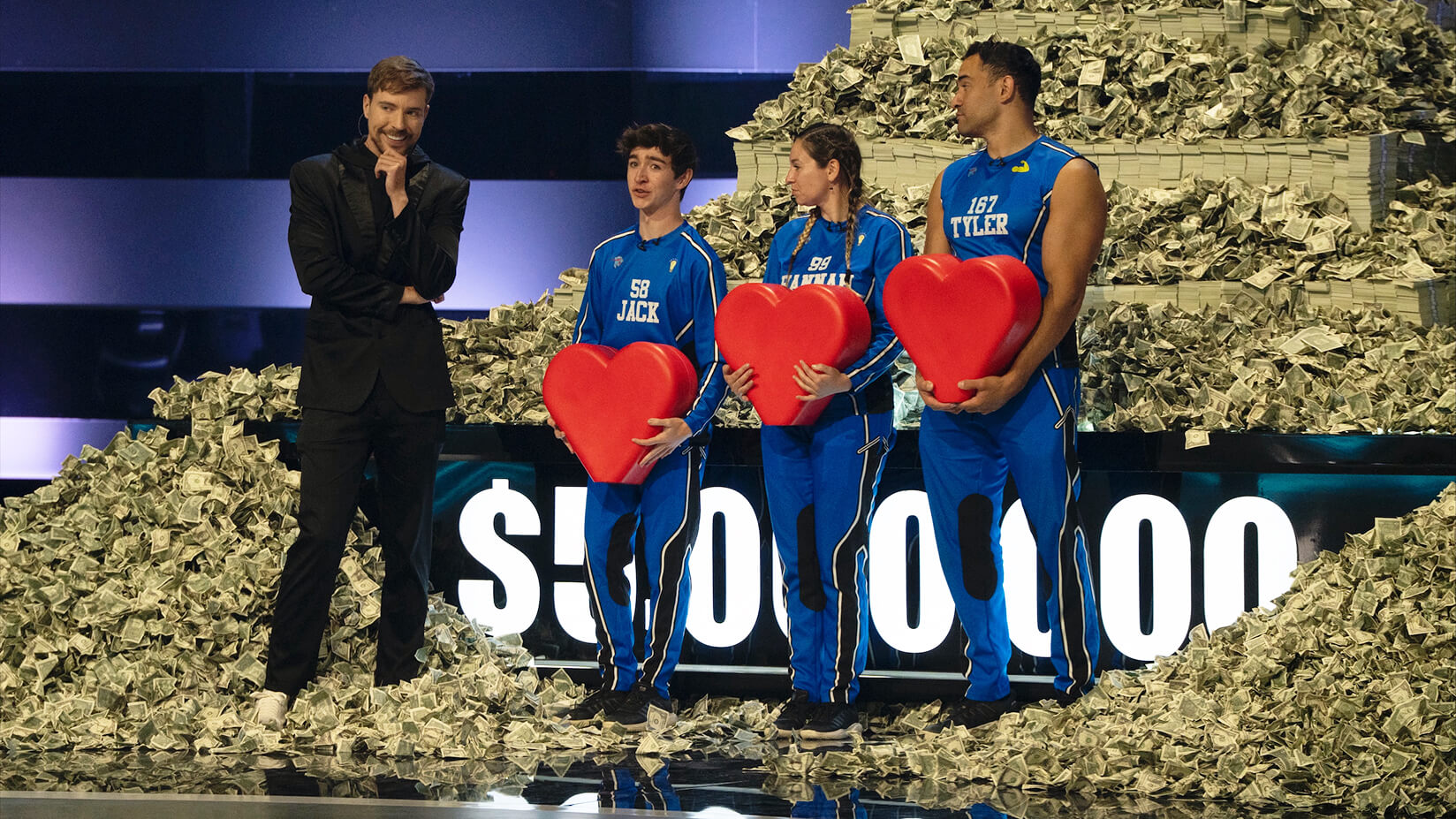
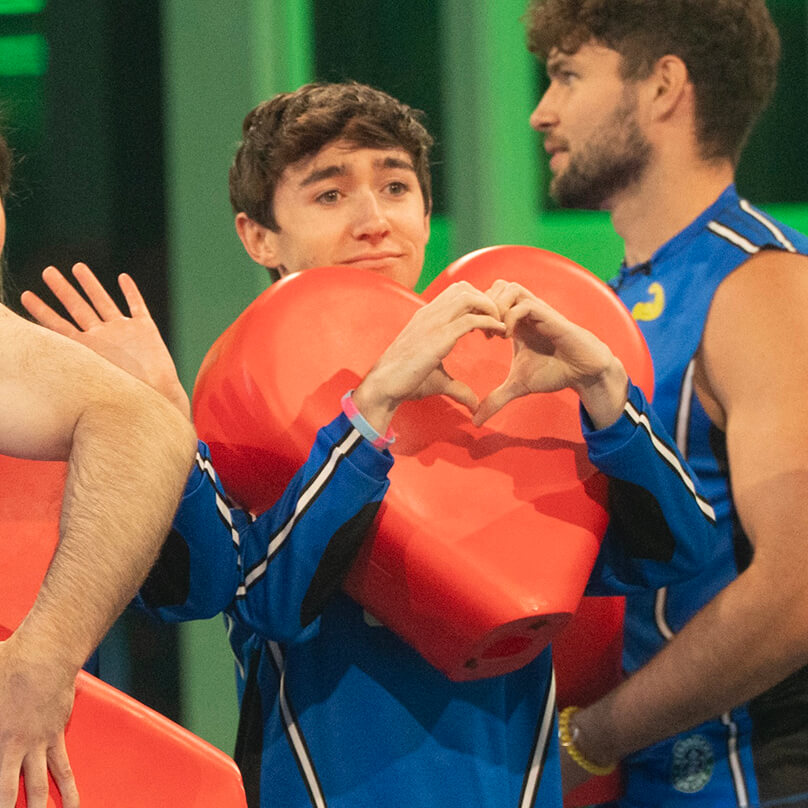
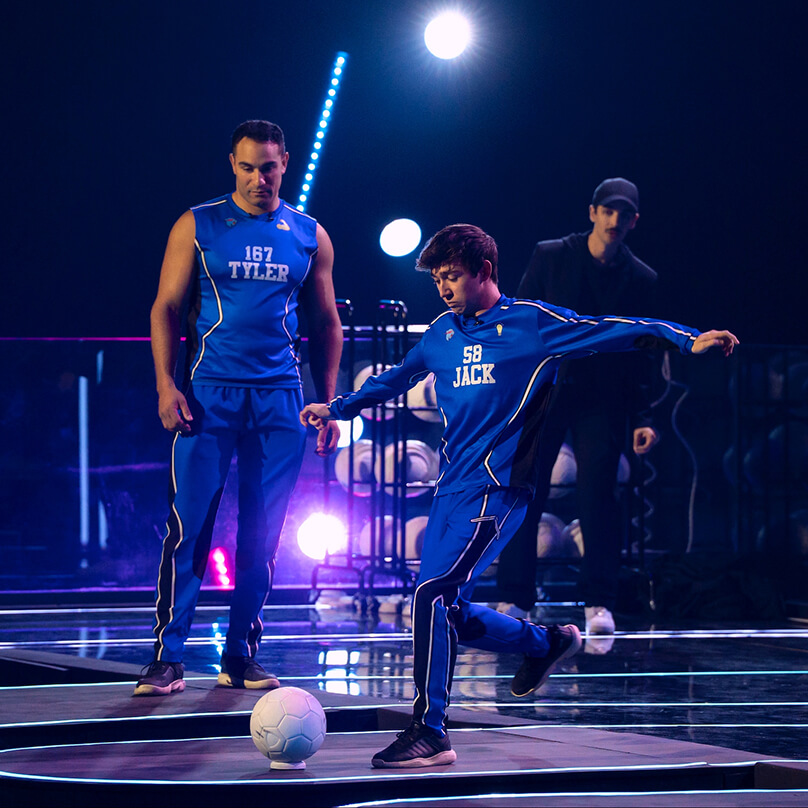
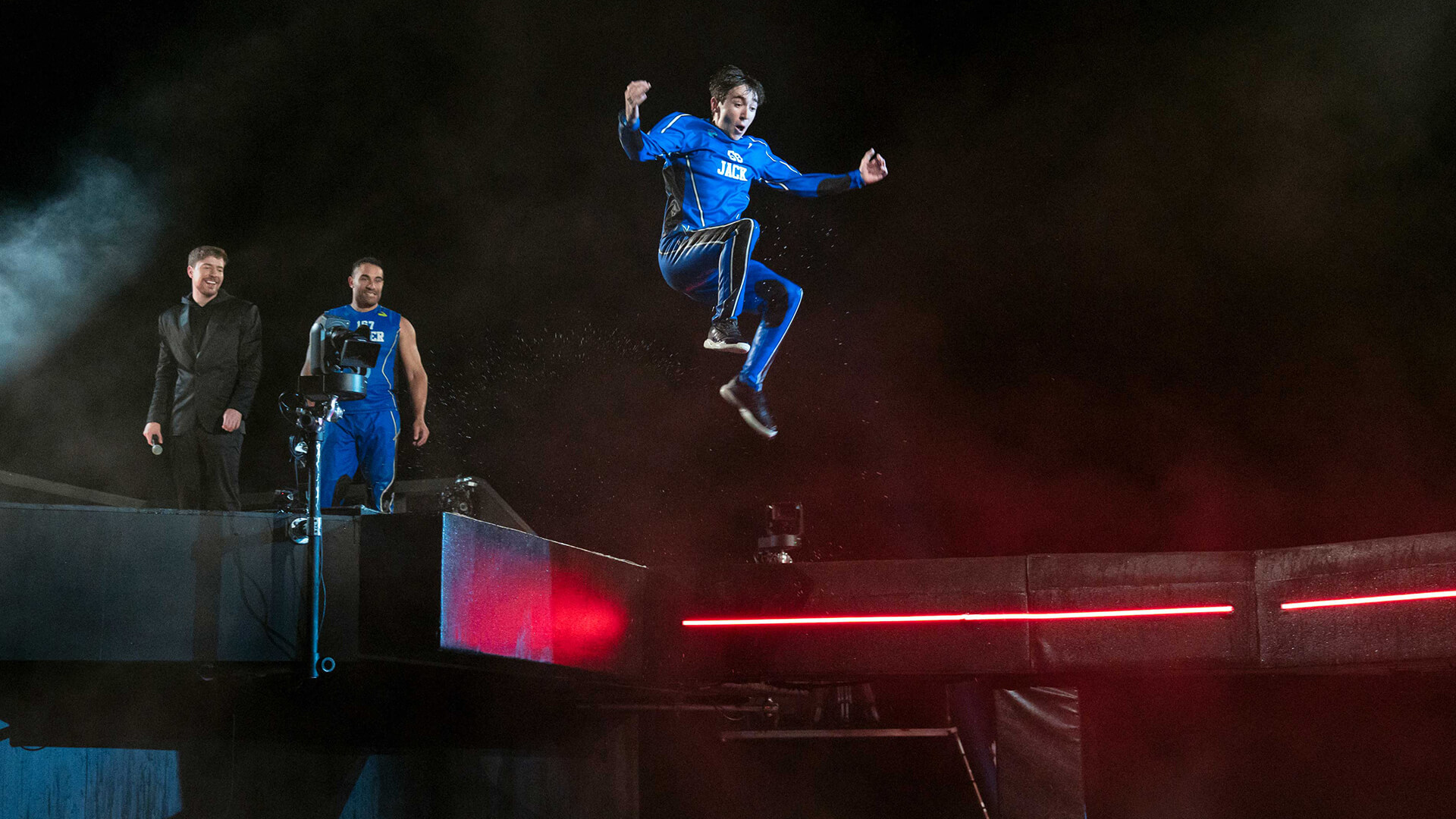
Jack McKenna makes it to 6th place on ‘Beast Games’ with MrBeast
John “Jack” McKenna can breathe easily now, at least until finals week. The electrical and computer engineering junior at Purdue — and sixth-place finisher on the Prime Video reality show “Beast Games” — got a rare education in high stakes, long nights and relentless challenges.
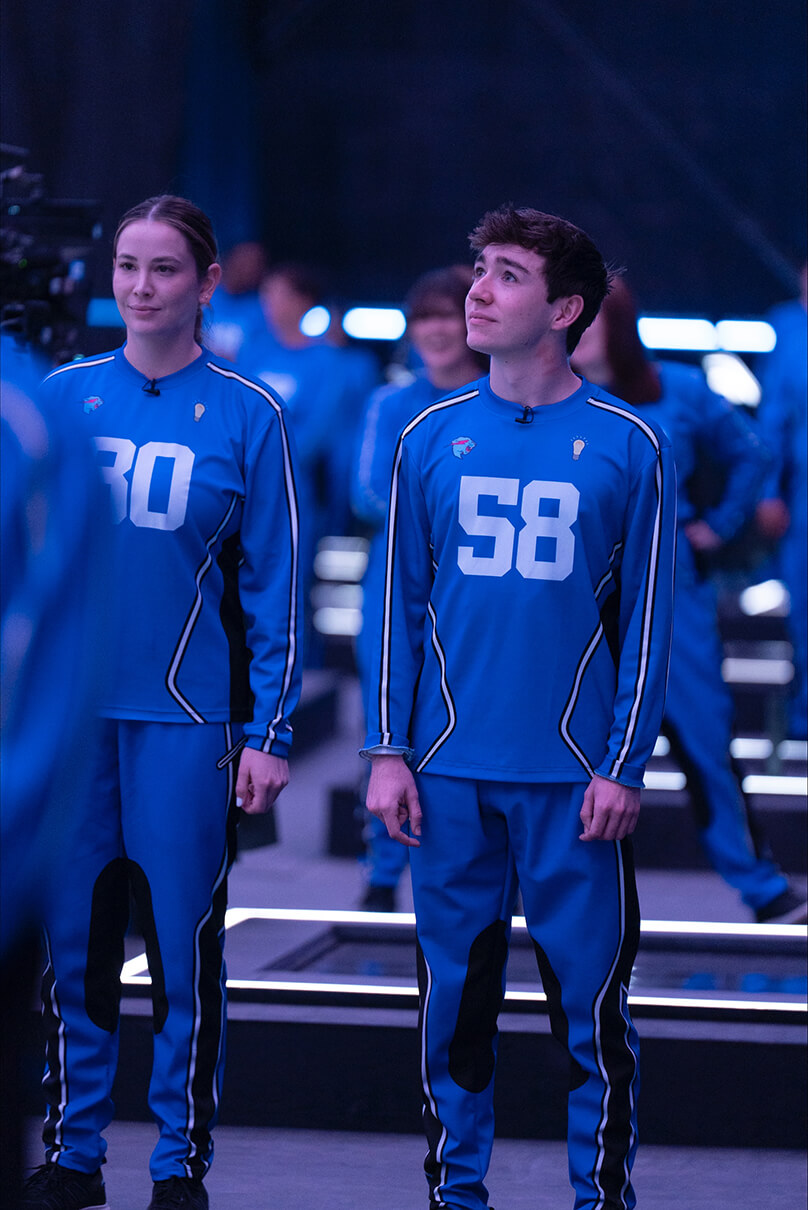
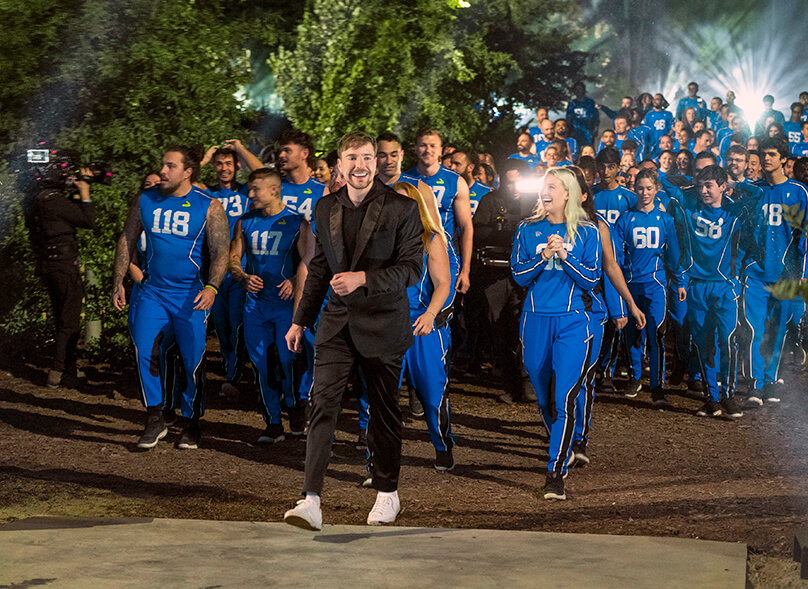
McKenna was chosen from 400,000 applicants to be among 200 contestants on the second season of “Beast Games,” which ended Feb. 25. Given the moniker “child genius” for his youth and smarts, McKenna is now celebrating a highly successful run and winnings of $45,000.
During the season, McKenna answered some questions from his room at the Sigma Nu fraternity house.
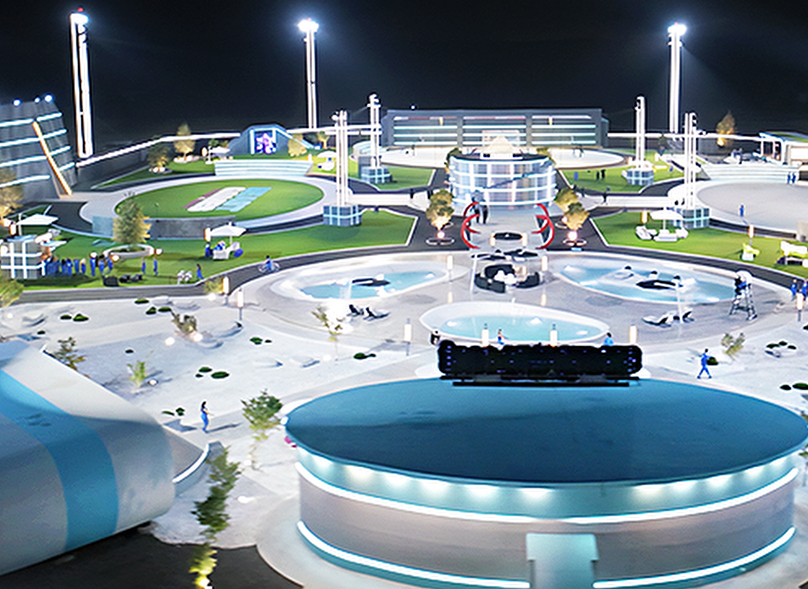
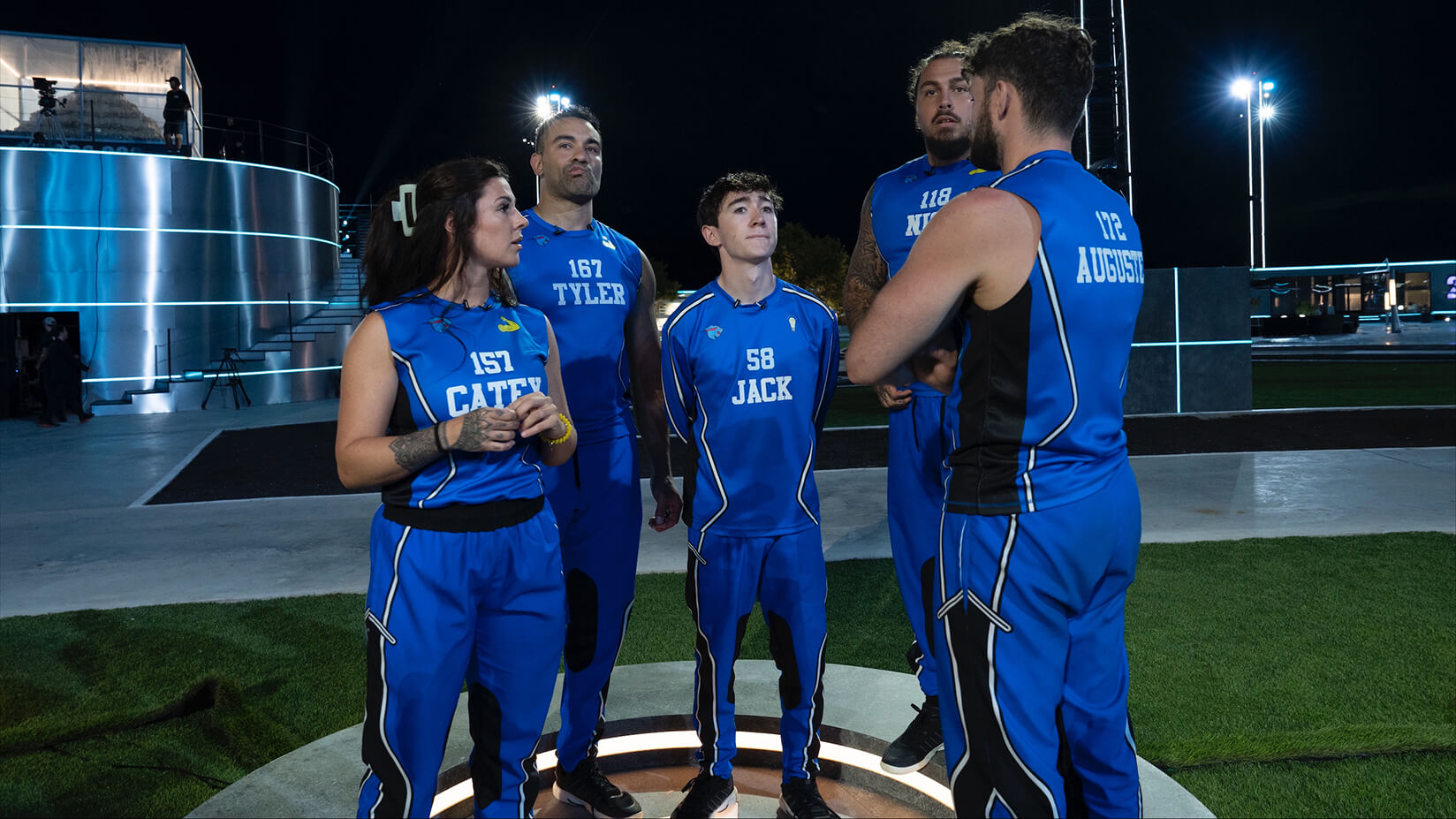
Q: What questions do you get most about your experience on the show?
A: I get constant questions — “How much money did you make? Who did you meet? How far did you go?” — and I’m dying to tell them, but I can’t. I went the entire fall semester without anyone knowing I was on the show. I told people I was doing a medical research study.
Q: How does the show keep a lid on things with hundreds of contestants?
A: They don’t call it “Beast Games” in any of the emails once you get cast, they call it “summer camp.” So, my emergency contact — my parents — would get texts every day during the show’s filming, saying, “Your camper is still at summer camp. They’re alive, they’re well, and we’ll give you another update in a few days.”
Q: You were filming for over a month. What was it like being there for so long?
A: You don’t have access to the outside world — no phone, no contact, no idea what day or time it is. This is your entire world. You spend every waking moment with the same people. The relationships you build in two weeks can rival relationships that take years in real life. It’s like being in a tiny simulation. You don’t see much production — it’s just you and the other contestants.
Q: What did you learn about yourself through this experience?
A: Perseverance. I faced moments on the show that felt devastating — like failing a final, times a thousand. But you learn it’s not the end. You regroup; you come back stronger. That mindset applies directly to engineering. You’re not always going to ace every exam, but what matters is how you respond.
Q: What made the experience ultimately rewarding for you?
A: Just being there. Over 400,000 people applied and only 200 made it. To experience something like that at my age — to test myself physically, mentally and socially — is something I’ll never take for granted. It was intense, exhausting and unforgettable.
Q: Doing the show took a lot of courage. Has it changed how you view bravery?
A: Honestly, applying for the show was the bravest part. Putting yourself out there — being authentic on camera — is scary. But I didn’t want to look back and feel like I wasn’t myself. Purdue helped me build that confidence. I wouldn’t have been the same person on that show without what I’ve learned here.
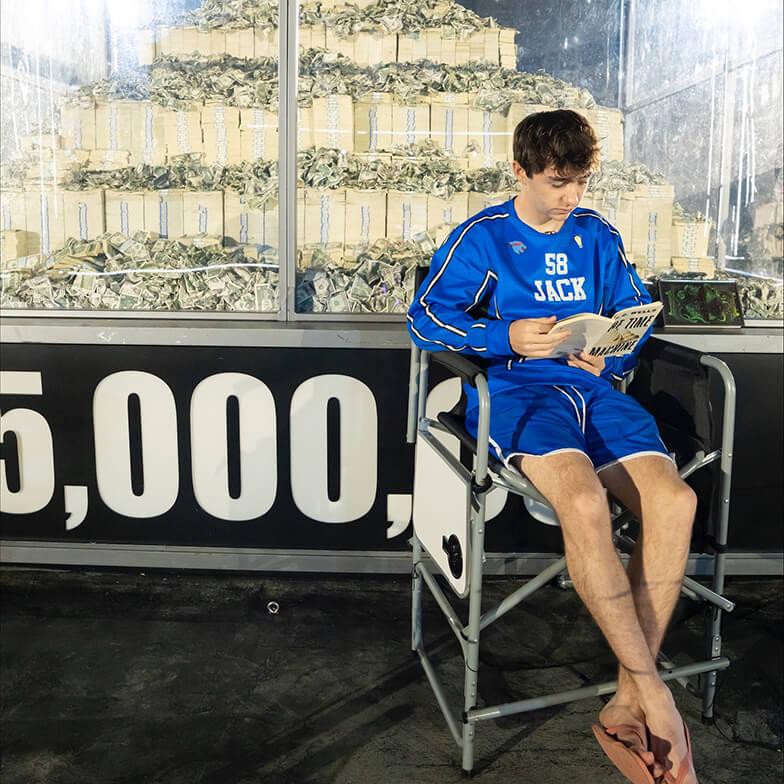
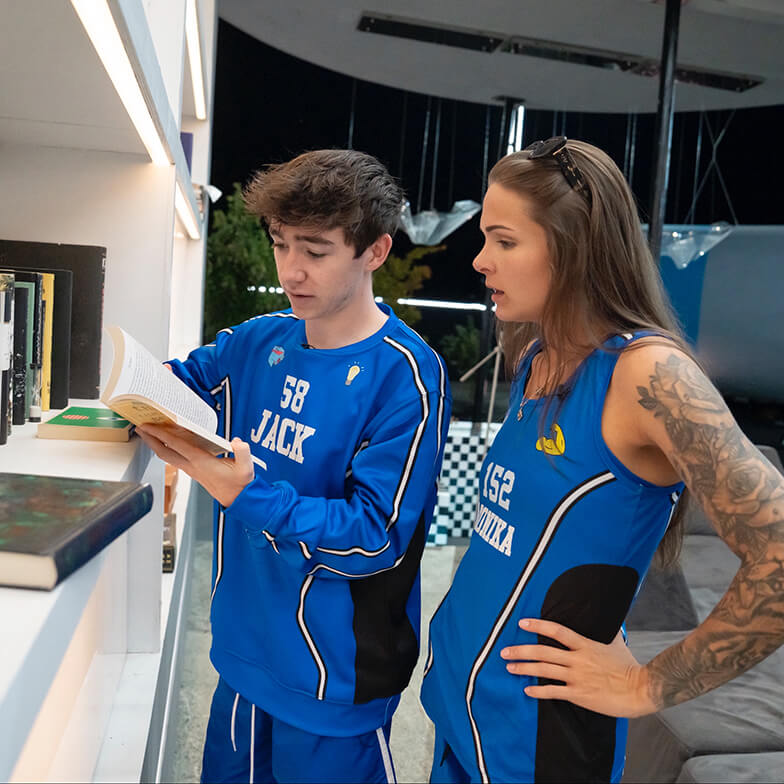
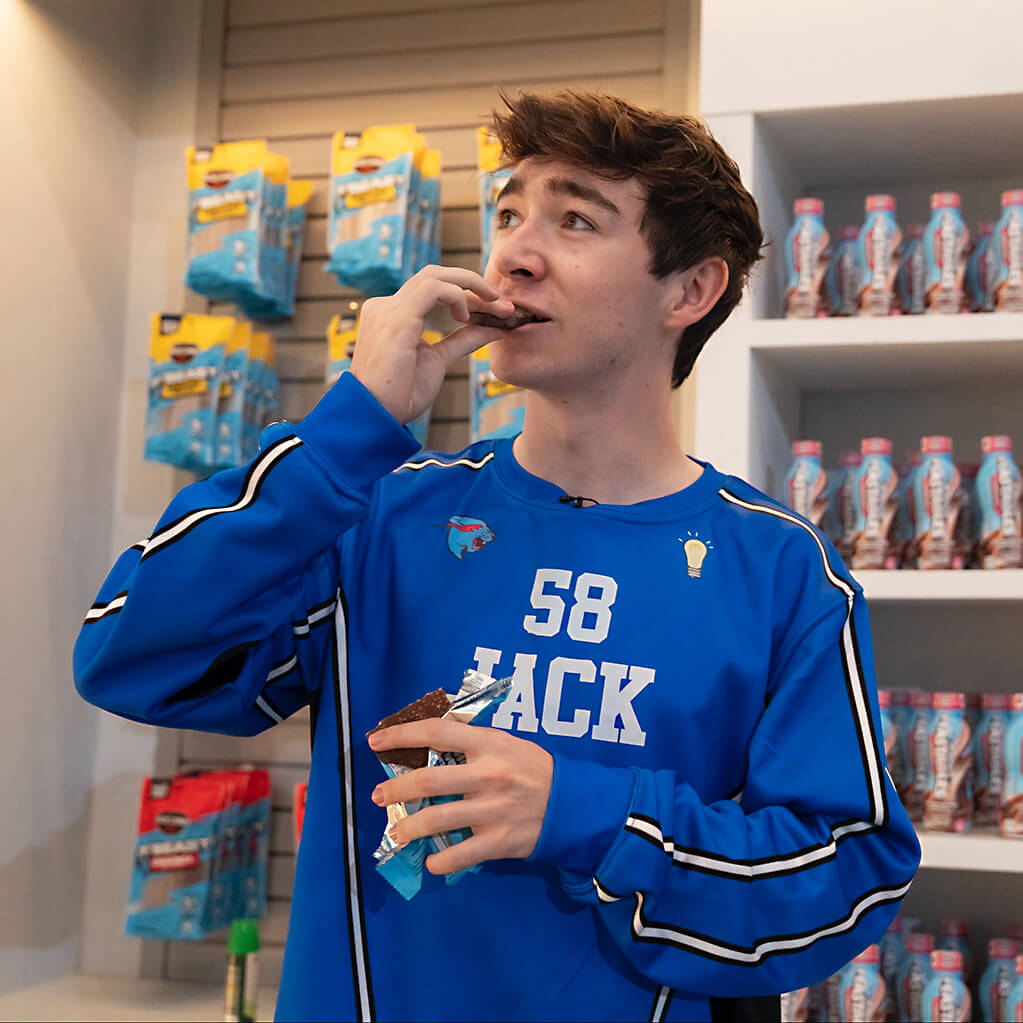
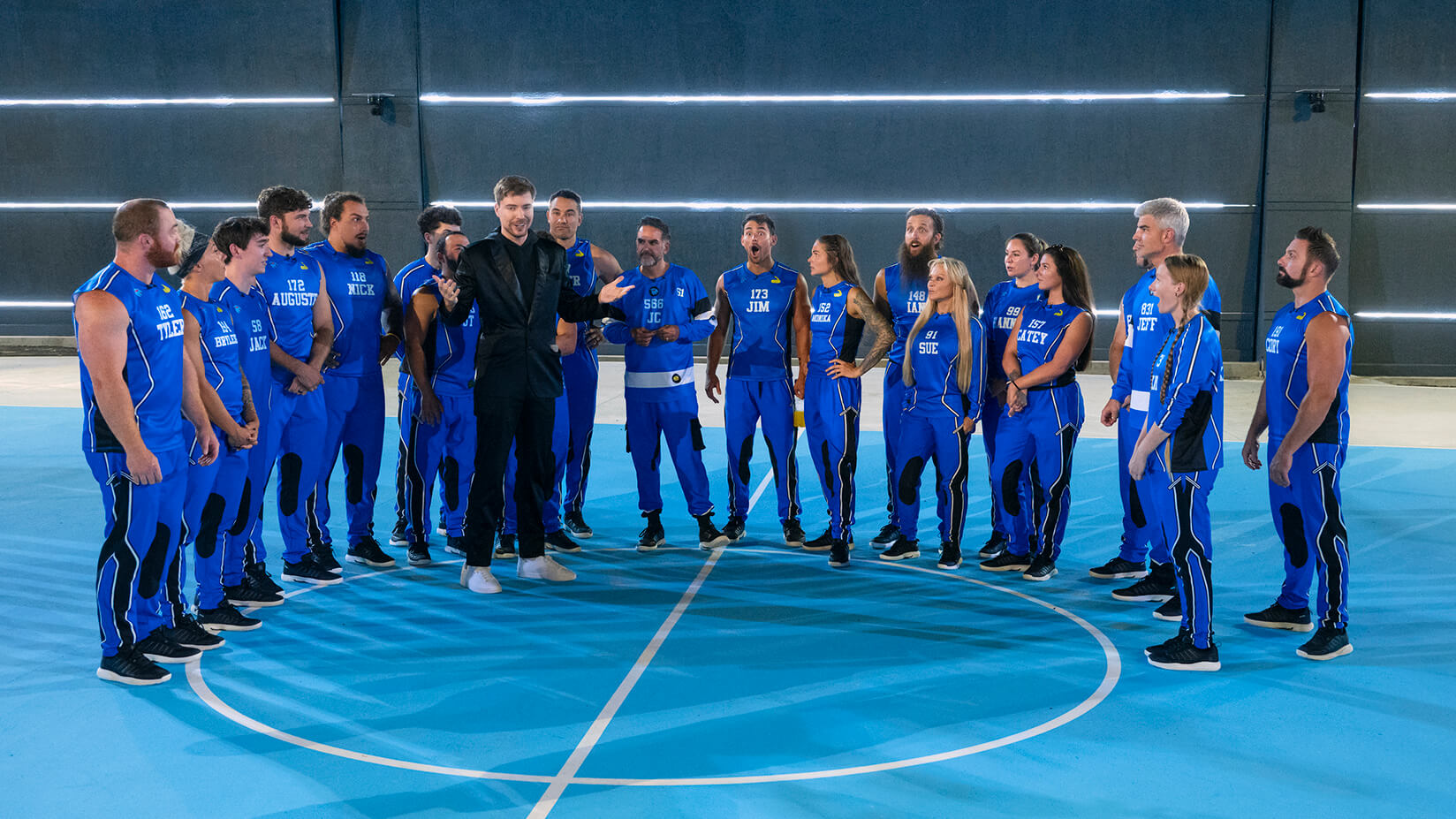
When it comes to academics, McKenna earned his ‘beast card’ long ago
McKenna’s dream is to work in the aerospace industry, a dream that began in his childhood and flourished as he excelled in school. In high school, he was among the highest academic achievers, even getting accepted to Mensa at age 15. So, majoring in electrical and computer engineering at Purdue is keeping his dream alive and on track.
Q: “Beast Games” put you under huge pressure. Did Purdue help you with that?
A: Purdue engineering is intense — and that’s a good thing. You go through long nights, difficult projects and stressful exams. You learn how to handle stress because it’s guaranteed here. On the show, with millions of dollars on the line, people cracked under pressure. I kept thinking, “This isn’t the most stressful thing I’ve ever done.” Finals week prepared me for that.
Q: Teamwork plays a huge role both in engineering and in the game. How did that translate?
A: You can’t win “Beast Games” alone. Purdue (engineering) really emphasizes teamwork — learning how to rely on others and how to be reliable yourself. I went into the competition knowing that alliances and trust mattered. Everyone has weaknesses. If you find a team that complements yours — and you do the same for them — you become really hard to stop.
Q: You had options when choosing a college. Why Purdue?
A: Academics were the biggest driver. I’ve always pushed myself to be at the top of my class, and Purdue kept coming up again and again as a place that would challenge me. Everyone I talked to who had gone to Purdue — alumni, family and friends — spoke incredibly highly of the education and the experience. They didn’t just talk about classes. They talked about basketball games, campus traditions and friendships. That stuck with me.
Q: Has Purdue lived up to that reputation?
A: It’s exceeded it. These have been three of the most transformative years of my life. I came in quieter, more reserved. Purdue pushed me out of my shell. The people, the classes, the campus atmosphere — it’s been everything I hoped for and more. I honestly wish I could start over as a freshman again.
Q: How key is Purdue to who you are today?
A: Being a Boilermaker is a huge part of my identity. Boilermaker grit is real. The lessons I’ve learned at Purdue are ingrained in me. I truly don’t think I would’ve performed the same way on “Beast Games” without Purdue shaping me first.