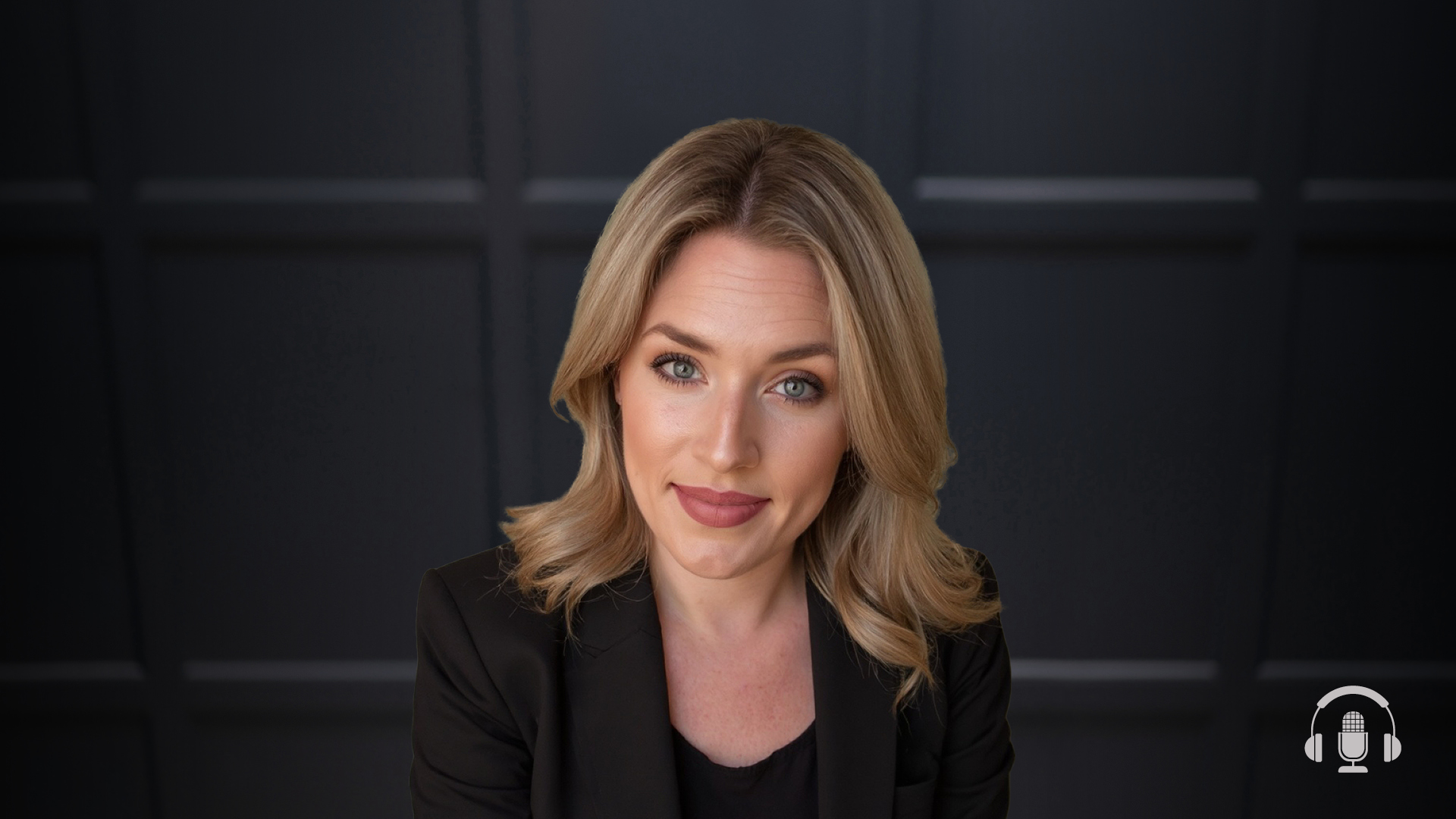
Podcast Ep. 141: Purdue Athletics Director Mike Bobinski on the Evolving World of College Sports
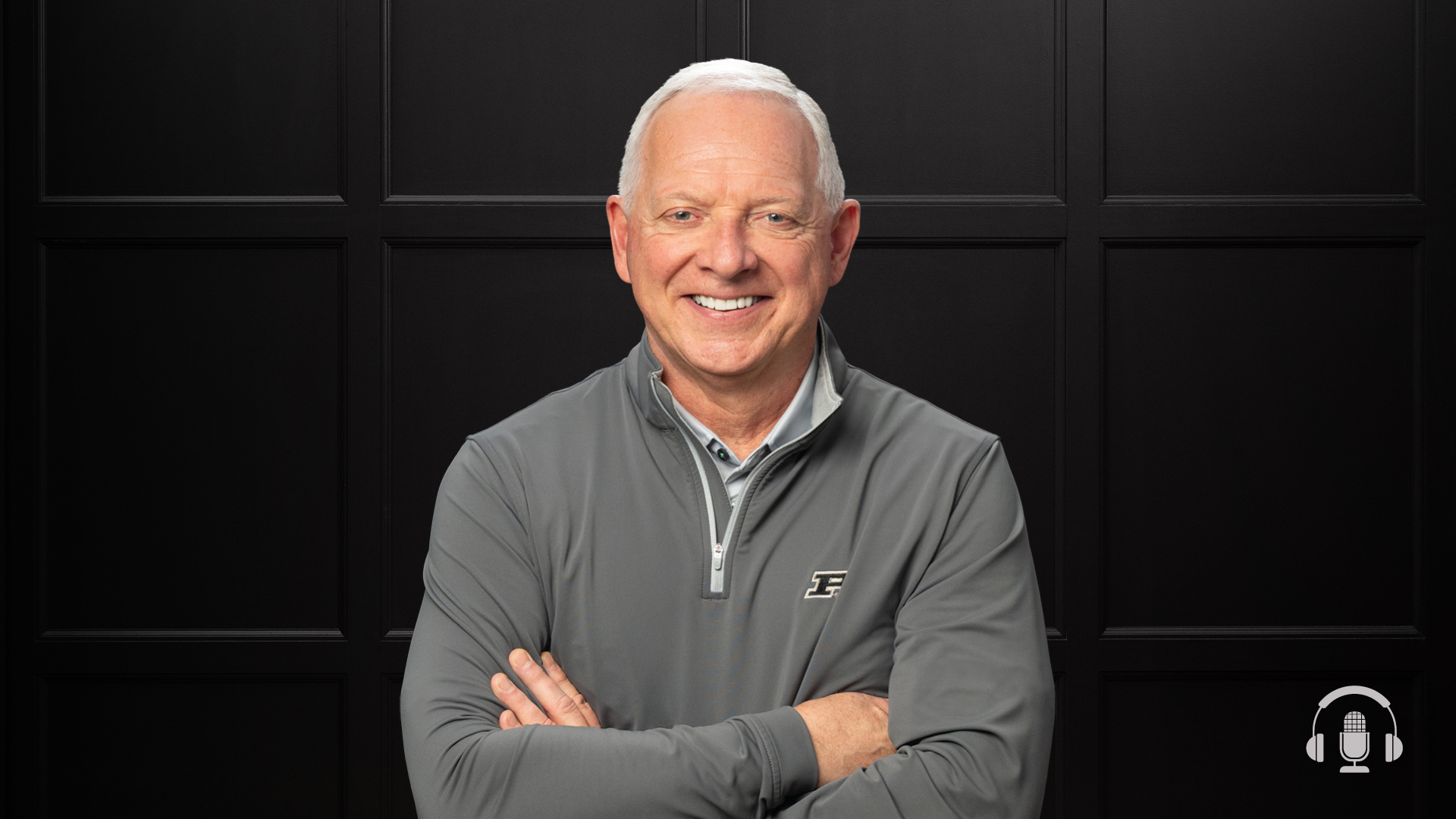
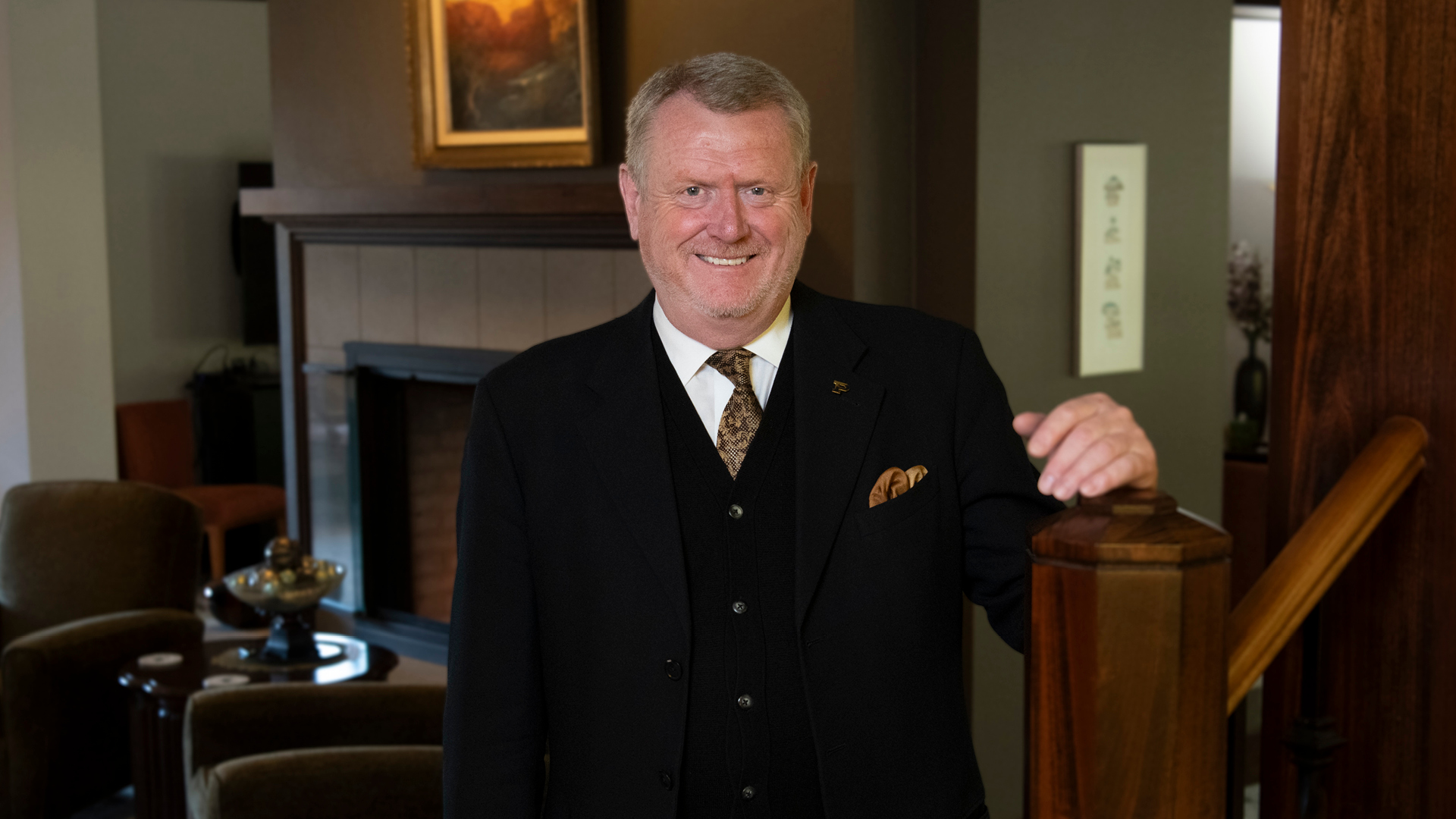
In this episode of “This Is Purdue,” we’re talking to Mike Bobinski, executive vice president and director of intercollegiate athletics at Purdue University.
Mike has been at Purdue for the last 10 years and has worked in college athletics for more than 40 years, with previous stops at Georgia Tech, Xavier University, the University of Akron and the U.S. Naval Academy. So it’s no surprise that during his tenure, he’s seen massive changes within the NCAA. He also has extensive knowledge of how Purdue is adapting in this modern era of name, image and likeness — or NIL — and licensing. And he dives into all things Purdue Athletics, including recent wins, future growth, innovation and so much more!
In this episode, you will:
- Learn more about Purdue’s journey with NIL, the House v. NCAA settlement from 2025, and what development programs and recruitment strategies the athletics department is utilizing to recruit and cultivate well-rounded student-athletes and become nationally competitive
- Discover more about Purdue’s Student-Athlete Development program and how it’s setting up Boilermakers to navigate the branding and financial considerations of NIL and grow personally and professionally
- Hear about Purdue’s recent sports successes, including men’s basketball, men’s and women’s golf, softball, volleyball, and diving, as well as how various coaches’ leadership styles exemplify the university’s ethos
- Gain knowledge about how Purdue uses cutting-edge health and wellness technology and AI to help its student-athletes perform more efficiently
- Learn why passionate Boilermaker fans inspire and motivate Mike in his role every day
Boilermaker fans — this episode is for you! Get a special sneak peek into all the exciting things going on with Purdue Athletics from the foremost leader and expert.
- Watch our full video interview with Mike
- Learn more about Mike
- Learn more about Purdue Athletics
- Learn more about NIL at Purdue
- Read Mike’s letter about the 2025 NIL ruling
- Learn more about the Purdue Student-Athlete Development program
Podcast Transcript
Mike Bobinski:
This is Mike Bobinski, and you’re listening to This is Purdue.
Kate Young:
Hi, I’m Kate Young, and you’re listening to This is Purdue, the official podcast for Purdue University. As a Purdue alum and Indiana native, I know firsthand about the family of students and professors who are in it together, persistently pursuing and relentlessly rethinking. Who are the next game changers, difference makers, ceiling breakers, innovators? Who are these Boilermakers? Join me as we feature students, faculty, and alumni, taking small steps towards their giant leaps and inspiring others to do the same.
Mike Bobinski:
I think a lot of it has to do with our coaches and who they identify as the right young people that will be successful at Purdue. We don’t ever want it to become purely a transactional relationship. That’s not going to work here at Purdue. Never has, never will. We’re going to continue to recruit young people that are interested in the full Purdue experience, that want to be real students, that want to grow in other ways outside of athletics, but also want to win and compete at a really high level. We’re looking for the whole package and they’re out there.
Kate Young:
In this episode of This is Purdue, we’re talking to Mike Bobinski. As the executive vice president and director of intercollegiate athletics at Purdue for the last 10 years, Mike has seen a lot of change within the NCAA. Mike is a thought leader in the college athletics landscape, with more than 40 years of experience under his belt. He’s previously worked for Georgia Tech, Xavier University, the University of Akron, and the US Naval Academy. In today’s modern era of name, image, and likeness, and direct payment to student athletes, Mike has unique insights into what it will take for Purdue to remain nationally competitive. Not to mention he has a deep knowledge of Boilermaker athletics overall, including future growth, innovation, and donor engagement.
It’s the perfect episode to kick off our spring 2026 season, and This is Purdue is proud to give all of our sports fans a deep dive into the state of Purdue athletics. Something I really enjoyed about my conversation with Mike was that he didn’t just dive into our most televised, high profile sports like basketball, for example. He really highlighted Purdue athletics as a whole and dug into all different programs like wrestling, golf, tennis, swimming and diving and more. So let’s get to it. Here’s my conversation with Mike … Mike, thank you for joining us on This Is Purdue.
Mike Bobinski:
Sure enough, Kate. Thanks for having me.
Kate Young:
Thanks for coming to our turf over here.
Mike Bobinski:
Sure enough.
Kate Young:
So you’ve been the AD and the executive vice president at Purdue for the last 10 years. You have more than 40 years of experience in college athletics.
Mike Bobinski:
Thanks for the reminder.
Kate Young:
So we’re just so excited because you are such a thought leader in this space. We’re going to dig into NIL a little bit, how that’s changed the game. We’re going to dig into Boilermaker athletics for all of our Purdue fans out there and just get a special sneak peek of Purdue athletics from you.
Mike Bobinski:
Absolutely. I’ll try to do my part.
Kate Young:
Okay. So we’ll kick it off with NIL.
Mike Bobinski:
Sure.
Kate Young:
Things have been changing so much. We just had a wonderful interview with PJ Thompson. He was reflecting on how much things have changed, but for Purdue, it’s really the basics and the importance of education still. I think that’s so special here at Purdue. What have you seen with this policy and how it’s impacted Purdue personally?
Mike Bobinski:
From a Purdue perspective, I would say this, we have definitely tried to retain the fundamental values and the core values that we’ve been built on for many, many years. We’re still about education. We’re still about developing our young people from the time they get here till the time they leave into folks that are going to have a great life when college is over. We’ve tried not to lose our way with all that, but the world around us has changed and you have to adapt. You have to adjust and you have to make sure that you remain competitive as the world turns. And so we have tried to do that very much. And so just a little bit of a history. And we could literally do the entire podcast on the NIL topic, which thank goodness we won’t, but I’ll give you a condensed version of where that’s come and how it’s affected us here at Purdue.
Back in 2021, NIL was permitted for the very first time. For years and years and years, student athletes could not give a lesson for anything, they couldn’t run a camp, they couldn’t do anything for compensation. And then all of a sudden the world changed. And the original intent was that the use of your name, image and likeness, which is central to your being, you’d now be allowed to be compensated for that. And for the unique skills and abilities that any individual might have accumulated to that point in time, made great sense. President Daniels was in place at that point and we were 100% in favor of that because it just was a fundamental right that we believed student athletes should have like other students have. If you’re a great musician, if you’re a great theater performer or a great entrepreneur as a student, you can make money on that.
And so student athletes, let’s do that. So it began that way. We were all for it and continued to be all for it. As things would happen in college athletics, it morphed into something different for over a period of time. It became not just that true NIL where you’re actually using your brand value for endorsements or other types of compensation, but it became really a pay for play hiding under the umbrella of NIL. And that’s the way the world evolved. And we, like everybody, had to participate in that at some level in order to remain competitive. And so we did so. We were very fortunate to have a group called the Boilermaker Alliance formed down in Indianapolis with some really, really terrific Purdue people that wanted to help us athletically be competitive. And so they formed this group down there and they helped us in the NIL world tremendously.
They were the vehicle that we were able to accomplish NIL payments and activities through for a number of years. And that spent was a really, really good thing. Then fast-forward to really January to June 30th of this year, of 2025, when we were on the cusp of a settlement of multiple lawsuits that had been brought against college athletics. In that period of time, there was a signal given by the leadership and the authorities in college athletics that, “Hey, for this last six months, we’re really not going to look very hard at whatever might happen in the NIL world.” It was take your last big swing. And so everybody went for it in that period of time, as did we at Purdue. And we front loaded basically a lot of NIL payments during that period of time before the settlement actually took effect on July 1, which really had a lot to do with how this year’s roster were established, particularly in the sports where it’s most prevalent that NIL is a real factor.
And that’s football, men’s basketball, women’s basketball, volleyball. We did a lot of that same front loading that a lot of other people did, which was to our great benefit. It’s partly how we were able to rebuild the football roster, bring in 82 new players, retain the core of our men’s basketball roster. We were able to do a lot of things through that NIL activity. So I can’t say it’s a bad thing because it benefited us in lots of ways. Well, then July one happens. The settlement is now in effect and NIL is meant to return to its original purpose, what they call true NIL, where it is in fact Kate Young, endorsing a product or given a lesson or doing something that actually trades on your brand value and what you can bring to a transaction. So there is now an organization called NIL GO, which is the clearing house for NIL deals, which has to approve everything above $600, 600 and above has to go to this clearing house where they say, yes, the paying entity is a valid business purpose.
It doesn’t exist just to pay student athletes. It has some other valid business purpose and the compensation that’s being proposed falls within some acceptable range of compensation. It’s not outrageous. We’re not asking you to sign one autograph and pay you a million dollars. That’s not an acceptable range of compensation. So all these deals now are being put through this clearinghouse for review. That will really become a thing for the Purdues and the power four schools in this next year because we all did the front loading and took care of this year already. So now as we look ahead, we’ll be submitting deals. And we have already, we’ve submitted 60 to 70 deals to the clearing house already. 40 plus of them have been approved, a few of them have been unapproved or disproved, and then a few are still under review.
So we’ve had some activity already in understanding how that world works. We are prepared and need to be very active in that space going forward. The other reality is the best way for it to happen for us going forward is for either Purdue led businesses or Purdue affiliated businesses, whether they partner with us from a research perspective or a corporate partnership perspective or other ways. Maybe they’re significant vendors to the university. For those folks to be really helpful to us in the NIL world will really provide us a competitive advantage and opportunity going forward. So we’re going to work really hard to source those opportunities and develop those to make sure that our student athletes are receiving the same types of opportunities that they are at other schools.
Kate Young:
Thank you for explaining all that.
Mike Bobinski:
That was a lot. I get it.
Kate Young:
No, but you see it in the headlines so much and it’s sometimes hard to grasp unless you’re in the collegiate athletics world.
Mike Bobinski:
No question. It has become the most misused and misunderstood term. It’s used when it doesn’t really apply. People sometimes think that the new revenue sharing opportunities are also NIL. Well, not really. Those are payments that actually flow through the university. So there are multiple avenues of supporting student athletes these days, but it all gets lumped under that term for those that aren’t in it every day. We’re in it every day, so we have to understand it, but I can’t expect others to do that. And we’ll do our best to educate and inform and make sure, again, that Purdue is competitive in that space.
Kate Young:
How are you navigating this new normal, but also sticking to Purdue’s core principles, fostering success after they’re an athlete, after school ends?
Mike Bobinski:
Sure. I think a lot of it has to do with our coaches and who they identify as the right young people that’ll be successful at Purdue. We don’t ever want it to become purely a transactional relationship. That’s not going to work here at Purdue. Never has, never will. We’re going to continue to recruit young people that are interested in the full Purdue experience, that want to be real students, that want to grow in other ways outside of athletics, but also want to win and compete at a really high level. We’re looking for the whole package and they’re out there. I mean, I know they’re out there and we have multiple examples in our midst right now in multiple sports that clearly are those young people. And so we just have to work that much harder, that much smarter to make sure that we bring those kind of young people to Purdue. That’s going to be our secret sauce for success.
Kate Young:
How is Purdue mentoring student athletes when it comes to their personal branding and entrepreneurship? What are the programs that you guys provide?
Mike Bobinski:
So we’ve got a whole unit within the athletic department called Student Athlete Development. That is their sole purpose in life is to make sure that we provide all those value added services for our student athletes. And it’s about building your brand. It’s about financial literacy. It’s about career preparation and personal growth and development. All those types of things, how to communicate, how to build a resume, how to do all those things. So there’s multiple programs that are conducted throughout the course of the year to do so. We’ve also hired a couple people that are working solely in the NIL space and they meet individually with teams and or student athletes that have an interest in pursuing those opportunities and help bring them along and show them best practices from around the country so that they can then, again, take that on personally and go out and source their own deals.
Some of our highest profile athletes actually have marketing agents, marketing agencies or others that are representing them in that space. For instance, when Zach was here, he had somebody that looked for deals for him and his situation was a little more complicated because he was a Canadian citizen. So he had to do things outside of the country, he couldn’t do certain things in the United States. Other athletes that we have today have those same types of services working on their behalf. And that’s to their credit and to their great benefit. Their profile is high enough that they can warrant those types of opportunities.
Kate Young:
It’s so interesting too with social media and your personal brand, what you wear, what you say.
Mike Bobinski:
Yes, I think it’s an amazing educational opportunity for young people more than just whatever the money might be. Some of that gets grossly overstated and exaggerated. I mean, there’s a lot of fantasy and myth that goes in and around what is and isn’t really happening, but just the awareness of what it means to be on all the time. Because if you damage your brand, you lose value these days. It is a real thing. So you have to be really aware of how you present yourself, how you carry yourself. If you’re a poor sport in the competition world, I mean, that can hurt your brand.
I mean, there are just so many ways that it can go the wrong way on you. And I think that’s a great learning experience for our young people to realize that, hey, it all can either add to or detract from just know what you’re doing at all times. What you put out on social media matters. How you carry yourself matters. And then really the other piece for those that are fortunate enough to make or to have real financial opportunities, understanding what it means to manage resources, to pay your taxes.
To Do those things that are fast forwarding these young folks towards adulthood here in a way that’s really interesting. And I know this on our men’s basketball program, I think six or seven of them are working with the same financial advisor out of Indianapolis who we brought up to do a seminar for our athletes. And they were like, “Hey, this person is really sharp.” They’re working with them from an investment perspective and having to make sure that they don’t just waste whatever it is they’re receiving now. So again, I think just a lot of really good lessons that hopefully will carry on well beyond their time at Purdue.
Kate Young:
What do you think though for the current direction of NIL? Is it sustainable for college sports?
Mike Bobinski:
I think if we can get it corralled into what it is meant to be where true NIL becomes the way that we all do business, I think that is entirely healthy. I think we’ve already figured out that, our athletes have figured out that you can only put so much time into those types of activities because you’ve still got to be a student. You’ve still got to meet all your athletic commitments. You want to have a social life. You want to do all the things that a college student does. And if you’re spending every waking moment trying to just chase an NIL opportunity, something’s going to give, you only have so much capacity in a day to do certain things. And so I think they’ve figured that out.
But I think from an overall environment perspective, if we can operate NIL as it is meant to be and have that become that supplement to the revenue sharing opportunities and that value add, I think that is a sustainable condition that would be really healthy for college athletics. Now getting there has been a fight. It hasn’t been that long. And unfortunately we were in the position of having to build the system as we were operating it. And we, by we, I mean the college athletics enterprise, the College Sports Commission, the new entity that’s governing all that, they were put under a very tight timeframe and they’re still figuring out the best structure in hiring staff to really enforce the guidelines and the rules.
If we can get all that right, I think it’s really healthy for the enterprise. And I’ll give my two cents on that. I know President Chang and I talk about this all the time. If we truly want college athletics to be sustainable and to add all the value that it adds in so many ways to not only the individuals that are in it, but to a university setting and all the great gathering place that it’s become and that point of pride, you’ve got to be sustainable and you’ve got to have rules. You can’t operate any entity of that scale, of the scale of college athletics without structure, without guidelines. I mean, if you just let it find its own way, it’ll ultimately implode, in my opinion. We all have to at some point agree, operate within some structure that makes sense. I’m hopeful, I wish I was certain, but I’m hopeful that we’re going to get there.
Kate Young:
Let’s dive into something probably equally as interesting or more so for people. The state of Purdue athletics.
Mike Bobinski:
There you go.
Kate Young:
2025, what has been the most exciting thing for you?
Mike Bobinski:
2025. Let’s see. Well, if I think back to the springtime, which was, we’ll go into the calendar year 25, I was really proud to wear a men’s basketball program with less than stellar expectations. You lose a player like Zach, who’s a generational two-time national player of the year, such an impact person in so many ways. And then to have them as the year went on just get better and better and then really be this close once again to playing in the Elite Eight and we would’ve faced our nemesis in Tennessee and I know they didn’t want to play us because we’ve had our way with them.
That was really a special moment. But other programs have really done good things during the course of 2025. I know men’s and women’s golf isn’t a high profile program, but for the last two years, we’ve placed both of our men’s and women’s golf teams in the national championship. I think we’re one of four or five schools in the country to send both of those teams in each of the last two years. And it doesn’t get talked about much because it’s not a front page type situation, but we’ve got just exceptionally talented young people on our men’s and women’s golf program. And it’s really fun to watch that happen. Our softball program’s getting really much, much better. Maggie Frezzotti is unbelievably talented, fiery, young coach. And I love what she’s doing. Our players love playing for her. She creates a great winning environment and culture, and it’s been fun to watch that.
And multiple other programs are doing those same things. And in this fall, I would tell you that I’ve been really pleased with our volleyball program. Coach Shondell, we’re in the same boat here. We’ve both been at it for a long time, and to watch him have to adapt and rebuild that roster this year, which is not of anyone’s choosing, but we all understand that’s the world we live in today. But to watch him do that and to watch that group of young ladies come together as a true team. I mean, because every night it’s somebody else that steps up and they support each other so much. I mean, it is like when you’re in this business, I mean, you love to watch the whole become greater than the sum of the parts. I mean, that’s the magic in team sports. And I’ve seen that happen in volleyball now during these last couple months.
And hopefully this season will continue the way it has. But even what they’ve done to this point has been nothing short of really special. I mean, it’s been really special to watch them. They’ve been pushed to the limit any number of times. And we’ve been down two sets to none and come back and reverse swept a couple times against ranked teams and that just doesn’t happen. I mean, it’s been really, really fun to watch. And Holloway’s great. It’s just such an energetic environment. And then we played a couple matches in Mackey already. We’ll play Indiana in Mackey. Our young ladies played down in Bridgestone Arena against Tennessee, we’ll beat Tennessee again and in volleyball down there. We played IU in Gainbridge. They moved their home match in Gainbridge Fieldhouse and it was a great environment. And we fortunately went down and beat them also.
So they’ve done a lot of really, really good things and it’s just been fun to watch that. And I’d be remiss if I didn’t talk a little bit. Football’s obviously having a struggle. We’re struggling this fall. That’s not news to anybody. But I will say this, I mean, the environment that Coach Odom is creating, the culture that he’s building is exactly what we need here at Purdue. He is a terrific football coach. He’s an unbelievable leader, period. I mean, I am 100% convinced that as we layer good days upon good days, and ultimately we find a way and learn how to win games instead of finding ways to lose games, which we perfected here recently, it’s going to get to be a whole lot of fun. He is going to lead us to tremendous success in the years ahead. And I am as convinced as I’ve ever been to that. And I can’t wait to see it happen because I think it’ll be done the Purdue way and it’ll be sustainable. It’ll get to a place that we’ll all be very, very proud of.
Kate Young:
I love that you addressed that because we met Coach Odom and had the great opportunity to interview him. He’s a genuine, amazing human.
Mike Bobinski:
Well, he’s a tremendous person, period. I mean, all you have to do is meet his wife Tia and his children and say, “Wow, what a family.” I mean, these are the most well put together and confident and mature young people, and that doesn’t happen without just solid, solid mom and dads, and they are just terrific people. I mean, he treats his players the same way. I mean, he demands a lot. The standard is the standard, and if you don’t meet the standard, then we’re going to work till you get there. But he has a humanity about it that I think just really is what you hope for. When you send your son or daughter to play for a coach, you want somebody that’s a real person that understands how people tick. And Coach Odom’s been at it for 26 years or thereabouts. And he knows what it’s supposed to look like. He knows how it’s supposed to be done. And I’m just really thankful that he’s here with us and I know he will take us to great places.
Kate Young:
I agree. I love that. I also love how you talked about some of these not as high profile sports. You hear about football and basketball and all that good stuff, volleyball, but softball, golf. I love that. And I think that’s important for our listeners to know about that too.
Mike Bobinski:
Absolutely. And so I was a college baseball athlete back in my days at South Bend. And back in those days, we were mediocre. I’m going to be the first to tell you, and I fit right in there. I met the standard of mediocrity as a player, but I was at a place where football is king at Notre Dame. Let’s just be honest. I mean, it was the beginning and the end of the story. And back then, men’s basketball was a pretty big deal. We were one of those other sports, but my experience mattered to me, it mattered to my teammates. And so as I’ve gotten into this world, and I also knew that that was the reason I was able to even attend Notre Dame.
I received a college scholarship just enough, just enough of an athletic scholarship to make it work financially for my family. And so being able to pay that opportunity back to decades now of young people has been really the most meaningful thing of this career for me. I mean, I love being around competition. I love seeing young people grow and be pushed and stretched and gain confidence in doing things they never thought they could do. I’m just grateful that I had that opportunity. I want to make sure that I deliver that in as best a way as I can throughout my time here in this business.
Kate Young:
What would you say your proudest accomplishment has been during your time at Purdue?
Mike Bobinski:
A couple things. So these last couple years, we’ve been able to place our student athletes, our graduating student athletes at a remarkably high level. Three of the last four years, it’s been 100%. I mean, every one of our graduating student athletes is either going to grad school, employed in a really good job somewhere, or they’re pursuing professional opportunities in their sport. That doesn’t happen by accident. That happens because first of all, you’ve got the right young people that are focused and motivated, but we have people that from day one, from the day they get here, are talking to them about preparing for what’s next.
So they don’t get to the end of their time here at Purdue and say, “Oh my gosh, now what?” There’s been a process. There’s been a process put in place. I’m as proud of that as anything that I could possibly be. The other part is that we haven’t lost our way at Purdue here. We still believe, and I am 100% convinced that you can do it the way that Purdue has always done it and succeed at a really high level. We wouldn’t have the preseason number one ranked men’s basketball team in the country if that wasn’t a true fact. I mean, it just wouldn’t be. And that has been done. We are an overnight success that’s been years in the making.
Kate Young:
I love that. Yeah.
Mike Bobinski:
I mean, it’s like all of a sudden people are like, “Hey, Purdue’s really good.” Hey, no kidding. We’ve been building towards this for a long time.
Kate Young:
Constantly good too though, yeah.
Mike Bobinski:
It’s been this stair step process. I really believe this, I think we’re at a point where we’re going to be there every year for as long as you can see out under the horizon, we’re going to be that team. And that has been done by the skill of Coach Painter and his staff by conscious design. It is not just, “Oh my gosh, look what happened here.” There has been a strategy and a thought in place as to how we got there. And to me, that’s the only evidence that I need that can it happen? Hell yes, it can happen. And if it’s happening in a sport that’s as nationally competitive as men’s basketball, it can happen in everything we’re doing. I really truly believe that.
Kate Young:
I think most people listening would agree as well. Well, speaking of basketball, lots of buzz. What do you think makes Purdue basketball so special, that leadership, how unique that program is? What is behind that?
Mike Bobinski:
A lot of it to me is based on the care that Matt and his staff place in selecting the young guys that are in the program that, again, fit our situation. They’re not here for their own personal glory and all. They want to win. They want to be pros in lots of cases. They want to push themselves to the very highest level athletically, but they also believe in all the other things that Purdue stands for. And Matt spends more time, I think, than any coach I’ve ever seen in trying to understand who young people are before they get here. He knows that in a smaller locker room, it’s not the 105 of football, it’s 15. If you get the wrong one or two, it can really upset the apple cart and change the dynamic in a way that can really damage your culture and affect your performance.
It’s never perfect. You never get it 100% right, but he tries to understand it to the very best of his ability, what makes people tick. We’ve all heard a lot about it, our guys do these psychological profiles and everybody that we recruit does that. If they don’t want to do it, then we’re onto the next person because Matt just really believes that he wants to understand who they are. He wants them to understand who he is. He shares his profile with all of our players and say, “Hey, this is who I am. So if I say this to you, know where it’s coming from. This is how I’m wired.” And so to me, it’s an amazingly sophisticated approach, very thoughtful, and it’s now bleeding into other programs at Purdue, which I really love. Our wrestling program’s using it a lot. Our football’s beginning to use it and their numbers are so big.
They’re using it for key positions and key staff members. Okay, what’s really making that person tick is we can get the very best out of them. And that’s not in a manipulative way, but just in a motivational and an effective communication means. And so it’s been really, really fun to watch that and multiple other programs are using it, but wrestling was the first one to really dive into it. And Coach Ersland will tell you that it has had a real impact on his recruiting and on his coaching style. He quickly understood… Last year we had a young man that had struggled for a few years. He never quite realized the potential that Coach Ersland saw in him when he recruited him. Once he did the psychological profile with his team, he realized that I’ve been coaching this young man the wrong way for three years. And so he changed his approach with him completely and all of a sudden he became a NCAA qualifier, finished like fifth in the country.
Kate Young:
Oh my gosh.
Mike Bobinski:
He had this amazing transformation because all of a sudden he was able to reach him in a way that resonated with that young athlete. That doesn’t happen in every case, but it can happen. And I think the more that you apply those tools and make those part of what we do here at Purdue, I think can give us an advantage.
Kate Young:
Beyond NIL, what else has evolved during your time here at Purdue as AD?
Mike Bobinski:
Literally everything.
Kate Young:
Social media, right?
Mike Bobinski:
Oh my gosh. So having been, as you were kind enough to point out in this business for over 40 years, I have seen it change so dramatically. And in these last 10 years, I think it’s been the pace of change, the rate of change has been exponential. It’s gone from a place that yeah, evolves pretty frequently and rapidly to this amazing rocket ship of adjustments. And nevermind the fact that in my time here, timing in life is everything, you get the COVID disruption, which changed a lot of things. All of a sudden we end up with students that are in school for five and six years or six and seven years. You get 24 and 25 year olds competing in college competition, which is the environment just dictated that that was at that point the decision that was made that was the right thing to do, but it did change a lot of things, this legal settlement that we’ve just entered into.
And as I try to tell everybody, just the concept of a settlement, people need to understand, I think anybody that’s been in any kind of a legal proceeding, when you settle a case, you end up with both sides a little unhappy. Nobody gets everything they want. That’s why it’s called a settlement. You get a little of this, you give up a little of that. That’s just the way it works. So is the settlement perfect? No, it’s not perfect. But where we were headed, and unfortunately where we still have some problems is that our structure was dictated by a bunch of random judicial rulings and state legislature rulings, and that’s no way to run an enterprise of the scale of college athletics. So if this settlement can actually fully be embraced and put in place, I think it’s got a chance to really, as I mentioned earlier, become a sustainable model for at least the duration of the settlement, which right now is a 10-year injunction that we have.
I’m very hopeful that we can live within the terms of that and have that become the way that we operate our business for these next 10 years. The other element of the settlement, and it’s a big, big change, is the ability to share revenue directly with student athletes. So we are in that world like everybody at our level, that we’re doing that to the full extent available and possible. We had to make decisions like everybody did as to where those dollars get allocated. And so we have done that. We’ve tried to be fair and supportive of really across the board with our programs. And so far, I think we’ve been pretty good, pretty effective in our strategy.
And the positive thing that I would say is that it has not caused any locker room disruption, no jealousy about, “Well, why is Kate getting this? And I’m only getting that.” And I mean, there’s been, to my knowledge, none of that has existed at this point in time, which I think is a credit to our coaches and to our young people for understanding that, hey, the world is what the world is. Not everything is going to be purely equal as we move forward here, but we’re in that world. We’re competing at the very highest level with that. That’s a brand new environment for us to adjust to, but so far so good in my eyes.
Kate Young:
Purdue is known for innovation, and that extends to all areas of campus, including athletics. Mike talks about how the AI-driven innovations we’re seeing at the professional level, like the MLB Robot Empires, for example, is trickling down into collegiate athletics. Plus, he digs into some of the ways that Purdue is on the cutting edge in sports technology.
Mike Bobinski:
I think that’s very much a field of opportunity for us here at Purdue. So we’ve had people come in and talk to our senior staff members about AI and how we might use that, not only to create efficiencies, but to do our work better. But it’s not just a, “Hey, how can I do it quicker,” but, “How can I do it better? Can we work smarter and more effect Did we gain advantage somehow, some way?” So we’re continually looking for those opportunities. I know it’s certain folks and it’s a little bit of a generational thing. It just is. I mean, not that I’m not interested in it. I use it now and then.
Kate Young:
Good job.
Mike Bobinski:
Yeah, I’m getting there. But the younger folks in our staff, and we have a very multi-generational staff, which I love. Our younger folks, it just comes easier for them to naturally just use that as a tool to help them do their work better. The other area where we’re using technology, and again, at a place like Purdue, shame on us if we don’t, is in our sports performance area and wellness where multiple teams use monitors when they’re practicing, monitoring heart rate, oxygen levels, all those different things so that coaches can know when, “Hey, we’re pushing too hard here or our athletes are at their max. We need to back off and have a light day tomorrow.”
So there’s a lot of data that our sports performance folks gather every day and then share with the coaches and say, “Hey,” sometimes even specifically to a specific athlete saying, “Hey, that person is right at the edge.” If we don’t want them to get injured or to start to cross over into a place where it’s diminishing returns, you need to hold them out tomorrow or give them a day off or whatever it might be. So multiple ways, sleep technology. The value of sleep for a high performance athlete is really, and really for all of us, but for the stress that our young people put on their bodies and their systems, if you don’t get a good night’s sleep, you’re really, really putting yourself at a deficit.
And so multiple teams use monitors, whether it be the Oura Ring or the Whoop bands or whatever it might be that help them understand the quality of their sleep. And so all those different things are in place here. Nutrition-wise, I think we’re getting really, really sophisticated and good at how we feed our athletes. We have our own student athlete dining facility that opened up the summer of 24. So we’re really in our second year of that, and that has become much, much more of an asset for us. The meals are high nutrient, high protein and high performance, and everything’s labeled. And we coach our athletes as to, “Hey, when you’re at this phase of your training, this is what you should be…” More carbs, less protein, or more protein, less carb, whatever it might be, it’s way more sophisticated than just, “Hey, let me go get a burger and fries.” That’s the way it worked when I was in school.
Kate Young:
When you were playing baseball.
Mike Bobinski:
Oh my God, a slice of pizza and a hamburger, I was happy and I thought I was doing great, but no more of the case. It’s way beyond that. And I would tell you that I think we’ve got all the tools in place to support our young people in the most effective way with all of that.
Kate Young:
So looking into the future, 2026, what can Boilermaker fans be excited about?
Mike Bobinski:
I think we can be excited about a lot of things. We have a number of programs, in my opinion. They’re on that build phase of really, really good things are going to happen. I know that fall didn’t work out for our women’s soccer program the way we would’ve liked it to, but Coach Moody is extremely motivated, extremely aggressive. We have commitments or we’re going to get commitments from, I think, some really, really high profile players to build, to add to the really talented young ladies that he brought in this year. So I think that program’s going to really take off in 26. I expect volleyball to continue to be really good. Our tennis programs, we have two relatively new.
Our men’s tennis coach is just now in his third year, Coach Young, Jeff Young doing a great job. He said in four years, we’re going to be a top 25 team and then we’re going to go from there. And he is right on track to do that. We’ve hired a brand new women’s tennis coach, Raquel Atawo, who I think is exceptional, and she’s going to do the same thing on the women’s tennis side. Little known fact, our diving program is, we’re in the top three or four of the country, if not the top two, about every year. It is an amazing hidden jewel amongst our midst here. We’ve got world champions and Olympians and all of that better-
Kate Young:
David Boudia.
Mike Bobinski:
Yeah. And David coaches our diving team right now. That’s the type of young people that we have in that program. And we’ve got an amazingly talented group on both the men’s and women’s sides right now. And I would expect that we’re going to be having CA champions and future Olympians that train here every day right now. Lots of good things. And in the spring of 26, I don’t expect. I don’t want to put that on anybody, but the possibility certainly exists that we’re going to have a really, really fun first couple months of 26 with our men’s basketball program. The ingredients are all there. Lots of things have to go your way in order to be there at the end. But does that possibility exist for us? Sure it does. There’s no reason to think otherwise or to behave otherwise, we just need to keep getting better every single day, play our best at the end of the year, and we could be down there in Indianapolis celebrating an amazing experience for us.
Kate Young:
Short, one hour drive away.
Mike Bobinski:
Wouldn’t that be something? Let’s all do everything we can to be supportive of that group and motivate them to do what they’re capable of doing.
Kate Young:
Absolutely. With donor engagement, we have the Victories and Heroes campaign this year. The goal of the campaign is largest in Purdue history to raise four billion by early 2030. What do you think as far as the athletics department and your approach to creating long-term success within athletics with this funding?
Mike Bobinski:
So the campaign is an exciting thing for Purdue. Every time an institution ventures into one of these, I think we all look in our areas, “Okay, how can we participate in that and do things to really move us forward?” So we have thought a lot about that. And our John Purdue Club team is incredible. They do a great job. Every year, the bar just gets raised by what we’re able to do. And that’s to the great credit of our donors and our alums and our fans and all those folks. They have been just so supportive and we’re so grateful for that. But as we look ahead with the new structure that this legal settlement has put in place, we have really the best opportunity we’ve ever had for scholarship gifts to actually truly translate into additional opportunities for certain sports. We can give scholarship support to every single person on a roster these days. We may not be able to fund that through our regular operating budget, but through donor gifts that are folks that are so inclined to support scholarship, that is a meaningful opportunity for people.
And people respond to that or have responded to that for years, but now they can truly say, “If I give a gift of X, I can provide a scholarship opportunity for a young person’s entire career and I can know that I’ve done that, that I have changed that young person’s life.” That will be part of our campaign opportunity for sure. Other things that we’re going to look at, facilities right now are not talked about as much because of the need for NIL and revenue share and all the other things that are new for us, but facilities never go away. You can’t ever go to sleep on that front because if you do, if you just ignore the staying on the front end of that, or if you ignore keeping them current and modern and maintained properly, all of a sudden you end up with a problem that’s astronomical and you can’t manage it. So getting ahead of that, making sure that we build funds, have funds in place to be able to replace technology or to supplement our technology, our audio, our visual, the big scoreboard in Ross Aid.
None of those things last forever. All the video elements in Mackie, they don’t last forever. We need to have funding in place to take care of that. Ross Aid, there are going to be opportunities that we’re going to want to take advantage of there to update the press box and all the suites and all the club areas in there. We’re asking people to invest significant dollars to be in those spaces. Well, they need to live up to what people are investing. And then there are other things we can do in the stadium I think that can have a revenue component to them that will be important, but you have to have the dollars in place to be able to accomplish those projects. And I think we can do all of that through the campaign. Then the last piece is really being able to just help us from an operational perspective as we’ve taken on the additional revenue sharing expense, which this year, the 25, 26 year, it’s $20.5 million.
A brand new number that just landed on the expense side of my profit and loss statement. And that’s not nothing, that’s a lot of money. And so making sure that we have the resources in place to help us meet that year in and year out is going to be really important. And I know our donors will step up and do that. They’ve been so supportive. And just whether it be attendance, whether it be gift giving to us, I mean, they’re just everywhere. Even I’ll tell you the tournament that we’re playing in men’s basketball down in the Bahamas here, I think we have single-handedly purchased 10X the number of tickets and brought the number of people that the other three teams have. I mean, the organizers will tell you we’ve never seen anything like it. I mean, you guys will literally dominate the entire place because you’ve just brought so many more people. It’s an incredible testament to the support and that loyalty that our Purdue fans have. They’re awesome. They really are. They are the best.
Kate Young:
What do you think makes that Boilermaker culture and spirit so special? Because it is different.
Mike Bobinski:
It is different. Our people respond to certain things. I mean, I believe there’s a pride. We all want to win. You don’t get in this business if winning doesn’t matter, then you’re grossly misplaced if you don’t want to win. We all want to compete, we all want to win. But I think our people respond to teams that will fight to the end, that will play hard, that are populated by young people that they can look at it and say, “Hey, these are really solid young folks. They’re about the right things.” And that matters to Purdue people, I believe. I think I’ve seen that over my time here, time and time again. They want to feel like, “Hey, those young people represent what I think college athletics should be about.” We can never and should never lose that. It is a special thing. Never take it for granted, never take our fan support for granted. We need to re-earn that every day. And I hope we do and I hope we are, but we’re very, very grateful for it because it makes a difference. It makes a huge difference.
Kate Young:
It’s cool reflecting back to hear that you played athletics in college and had that scholarship impact you and now your job today, you’re changing these young people’s lives and the donors are changing their lives.
Mike Bobinski:
Absolutely. To me, athletics is such a special thing. Being a college student without athletics still is a great thing also. And there’s so many incredibly talented and successful young folks throughout our midst here at Purdue and like there are on many, many campuses. But when you add that element of athletics and you still have to do all the other things, but you are forced to be able to find time in your day and you have to be committed to that, if you want to be successful at a higher level. It adds an element that I think really, really gives you a leg up for the rest of your life if you take advantage of it.
If you really embrace it and understand and appreciate what you’ve just done for your four or five years in college, that, “Hey, I’ve been able to do all this stuff and on top of it, I’ve been a great student. I’ve grown personally. I’ve been involved with all these other things.” I mean, you now walk into whatever your next situation or opportunity is and immediately should have confidence in what you are capable of doing. And I think that’s the thing that we try to instill more than anything is just belief and confidence in what you can accomplish. And if we do that, again, we’ll win a lot along the way, but we’ll also feel like, “Hey, we’ve met our obligation here. We’ve done good work to launch these young people into successful lives.”
Kate Young:
What is your biggest motivator right now? What inspires you?
Mike Bobinski:
I like to win. I like winning a lot more than losing. Let me tell you that, that inspires me most days. What inspires me is I’ve come to believe and just be convinced that what you do for other people is what gives a life value. And I think that the more that we can provide most rich and worthwhile experience to our student athletes and to have a building full, a department full of people that are there for those same reasons, the better we can do that every day. I’ve always believed this. I mean, you can get better at everything every day. Nobody has ever reached the pinnacle and just like, “Hey, I can’t get any better.” No, that is not true. You can always be better at everything that we’re doing.
For me, it’s about pushing our people to find ways for us to do what we do better every single day. I will never stop that. I mean, till the day I stop working, whatever that might be, it’ll never be, “Hey, let’s just mail it in here for the next couple of months.” I can’t do that. I wasn’t raised that way. My mom and dad were wonderful people, but it was always, “Hey, don’t cheat yourself. There’s always more in the tank. You can always do more. You can always be better at whatever it is you’re doing.” That’s just the way I’ve always been wired. And I’d like to think that that will be something that will benefit Purdue for years to come whenever the day comes when it’s time to not be doing it anymore.
Kate Young:
Well, we can’t thank you enough for joining us. It was a pleasure.
Mike Bobinski:
Same here. Well, this is fun.
Kate Young:
Thank you. Anything else you want to tell your faithful athletics fans out there?
Mike Bobinski:
Oh my gosh. Well, for me, I’ve obviously been in the business for a long time at a number of different places, lots of great places. I’ve been at some wonderful institutions, but anybody that asks me, and I mean this with my whole heart, the fact that this opportunity found me in 2016 has been the highlight of my professional career. I mean, it is such a wonderful place with so many great people, period. I mean, it just is. I mean, Purdue people are people of substance. They’re people of character. They believe in the right things. They’re competitive. They want to be successful, but in many cases, they’re self-made people that have earned it. They have worked from where they began to where they got to. That just resonates so much with me. I’m thankful for the chance to be here at Purdue and to have spent now, can’t believe I’m in my 10th year at Purdue. It has gone by so quickly, but it has been so rewarding and just such a wonderful place to be. I’m just grateful for the opportunity.
Kate Young:
Thank you so much. We had a blast during this interview, Mike. Thank you.
Mike Bobinski:
Thanks for having me.
Kate Young:
We are so thankful Mike joined us on This is Purdue. He’s a truly genuine leader, and it was a pleasure getting to know him and diving into all things Boilermaker athletics. You can watch our full video interview with Mike on our podcast YouTube page. YouTube.com/@ThisIsPurdue. And be sure to subscribe on YouTube and your favorite podcast platform so you don’t miss any of our spring 2026 episodes coming up. This is Purdue is hosted and written by me, Kate Young. Our podcast videography for this episode was led by Thad Boone in collaboration with John Garcia, Alli Chaney, and Jonathan Hord. Our social media marketing is led by Maria Welch. Our podcast design is led by Cheryl Glotzbach.
Our podcast photography is led by John Underwood. Our podcast team project manager is Rain Gu. Our podcast YouTube promotions is managed by Megan Hoskins. Additional writing and research assistance is led by Ashvini Malshe and Sophie Ritz. And our creative production manager is Dalany Young. Thanks for listening to This is Purdue. For more information on this episode, visit our website at purdue.edu/podcast. From there, you can head over to your favorite podcast app to subscribe. And don’t forget, you can also check out all of our podcast content on our podcast YouTube page, youTube.com/@ThisIsPurdue. And as always, boiler up.